
Search
Showing results for "early life"
The vision of the Nutrition in Early Life team is to work together with the community to produce quality research, for improving our knowledge of how a mother’s diet during pregnancy and breastfeeding can improve both her and her child’s health.
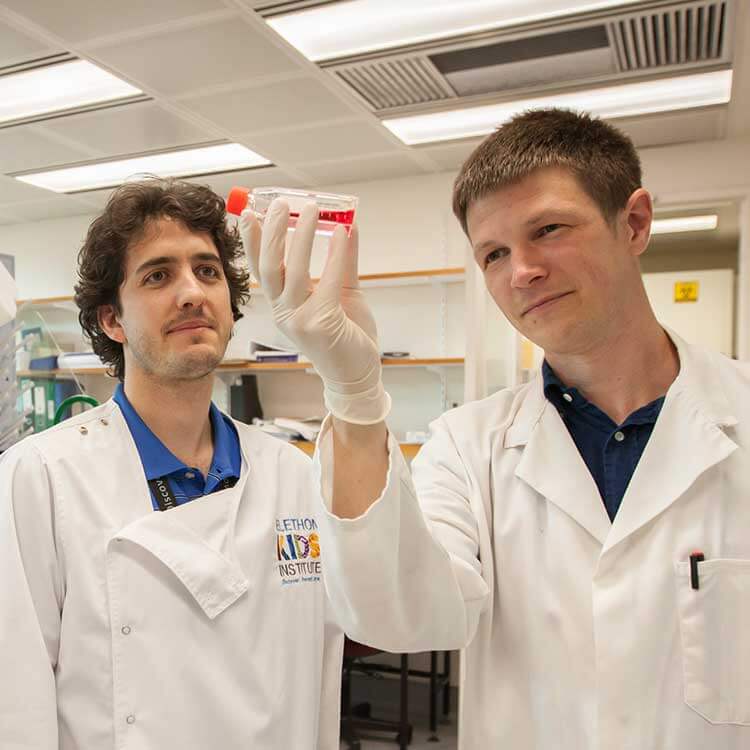
The Pregnancy and Early Life Immunology team's overall research vision is targeted towards understanding immunological development during early life.
Epidemiologic associations between viral lower respiratory infections (LRIs) and asthma in later childhood are well known
The Childhood Allergy and Immunology Research Team at The Kids Research Institute Australia are currently conducting four studies, through ORIGINS, investigating nutritional strategies in the diets of mothers and babies and how these may reduce the development of allergies.
Graham Rachel Hall Foong BAppSci PhD CRFS FANZSRS FThorSoc FERS BSc (hons), PhD, MBiostat Honorary Research Associate Honorary Research Associate 08
LIFECYCLE is a significant and visionary project to establish an integrated set of long-term world-wide cohorts and clinical trials, which can be investigated and compared across the full life of cohort participants.
To date there have been relatively few studies on genetic determinants of susceptibility to neonatal infection and many of these have methodological...
Dysbiosis refers to a reduction in microbial diversity, combined with a loss of beneficial taxa, and an increase in pathogenic microorganisms. Dysbiosis of the intestinal microbiota can have a substantial effect on the nervous and immune systems, contributing to the onset of several inflammatory diseases.
Early life innate immune dysfunction may represent a key immunological driver and predictor of persistent food allergy in childhood
In this paper we provide an integrative synthesis of eight systematic reviews that compromise our systematic review series entitled ‘Population Perspectives on Nurturing Relational Health from Early Life’. We reflect on what we know, what we don’t know, and what we need to know to better safeguard the interpersonal world of the child.