
Search
Transgender and gender diverse (“trans”) people are more likely to experience adverse mental health outcomes due to the social adversities that are commonly experienced. One ameliorating factor for poor mental health outcomes can be connection to community, often facilitated in online spaces such as TikTok.
Anxiety is a leading mental health concern in childhood. Whilst a range of therapeutic approaches effectively reduce anxiety in young children, several barriers impact their implementation into practice. Digital interventions could help overcome some of these challenges; however, whether these can effectively target anxiety for children with and without Neurodevelopmental Conditions is unknown.
Early childhood is a critical window for preventing obesity and chronic disease. Yet, 1 in 4 Australian children aged 5 years and under are affected by overweight or obesity; and significant proportions of children under 5 years fail to meet guidelines for diet quality, physical activity (PA), screen time, and sleep.
Mobile touch screen devices (smartphones and tablet computers) have become an integral part of many parents’ and children’s lives, with this interaction linked to physical, mental and social outcomes. Despite the known importance of parent-child attachment, evidence on the association between device use and attachment was yet to be reviewed.
Physical activity is essential for children’s healthy development, yet COVID-19 physical distancing restrictions such as school closures and staying at home, playground closures, and the cancelling of organised community sport have dramatically altered children’s opportunities to be physically active. This study describes changes in levels of physical activity and screen time from February 2020 (i.e., before COVID-19 restrictions were introduced in Western Australia) to May 2020 (i.e., when COVID-19 restrictions were in place). Parents of children aged 5 to 9 years from Western Australia were eligible to participate and recruited through convenience sampling.
Effective social skills are essential for functional social support, help-seeking, and resource access. Digital social skills training plays a key role in empowering individuals to develop social competence, improve access to various support and resources, and enhance locus of control through dynamic media.
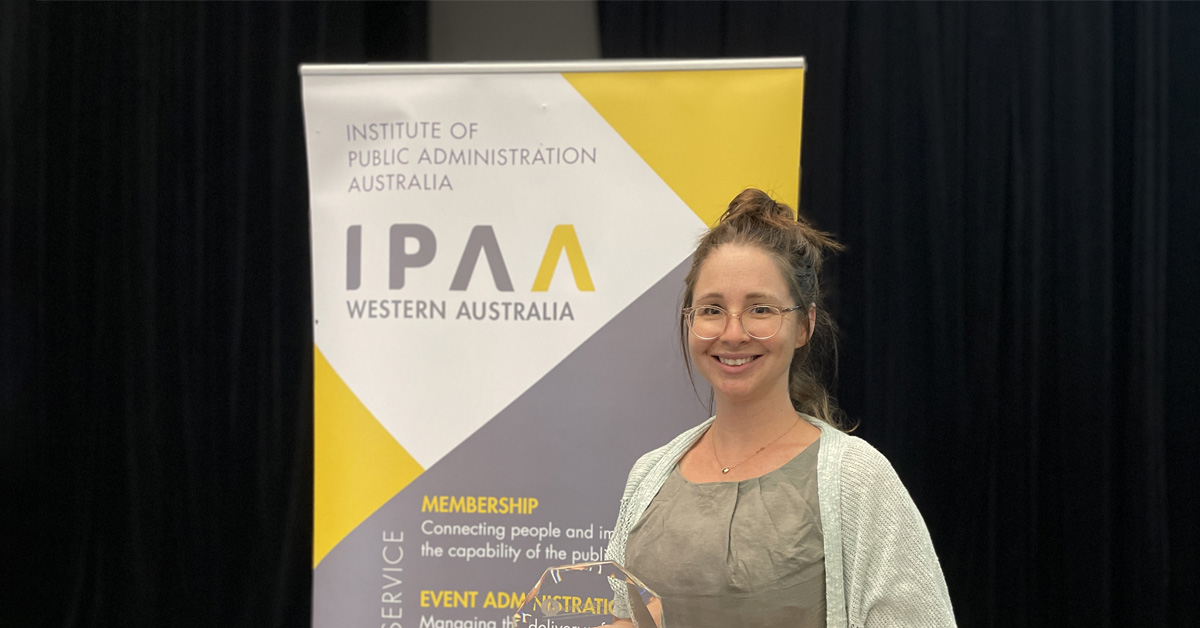
The Kids Research Institute Australia researchers who worked with young people to develop an app designed to help teenagers stay safe in the sun have been named joint winners of a new award for ‘Best Practice in Children’s Consultation’.
A 'Black Out Rage Gallon' (borg) is a customised, individual alcoholic beverage popularised on TikTok, whereby half the water in a gallon jug is replaced with alcohol (usually spirits), flavourings, electrolytes and caffeine. We investigated the characteristics and portrayal of the emerging alcohol trend associated with the hashtag descriptor #borg on TikTok.
The objective of this study was to explore Australian children's engagement in physical activity and screen time while being cared for by their grandparents.
Children's physical activity and screen time behaviours impact their physical health and well-being. In Australia, less than half of children meet daily physical activity recommendations and only one-third meet daily screen time recommendations.