
Search
Multi-omics in combination with advanced computational methodologies synthesizes diverse omics data to provide deeper insights into molecular interactions and offers transformative potential for unravelling phenomenon behind disease complexities, improving diagnostics, disease prevention, and personalized treatments. This integrative strategy enables our understanding of gene-environment relationships, chronic disease progression, and the intricate molecular pathways involved in health.
In this review, we provide an overview of food allergy genetics and epigenetics aimed at clinicians and researchers. This includes a brief review of the current understanding of genetic and epigenetic mechanisms, inheritance of food allergy, as well as a discussion of advantages and limitations of the different types of studies in genetic research.
Type-2 diabetes is a systemic condition with rising global prevalence, disproportionately affecting Indigenous communities worldwide. Recent advances in epigenomics methods, particularly in DNA methylation detection, have enabled the discovery of associations between epigenetic changes and Type-2 diabetes. In this review, we summarise DNA methylation profiling methods, and discuss how these technologies can facilitate the discovery of epigenomic biomarkers for Type-2 diabetes.
The interaction of genetic and environmental contributions to immunological traits and their association with atopic disease remain unclear. Flow cytometry and in vitro cytokine responses were used to characterize immune profiles from 93 school-aged twin pairs. Using an established twin pair analytical strategy, the genetic and environmental influences on immunological traits were evaluated, along with their association with atopy. Our findings suggest strong genetic influence on several traits, particularly B cell abundance. In contrast, cytokine responses from in vitro stimulations appeared mainly shaped by environmental exposures.
Despite advances in immunotherapy, metastatic melanoma remains a considerable therapeutic challenge due to the complexity of the tumor microenvironment. Intratumoral type I interferon (IFN-I) has long been associated with improved clinical outcomes. However, several IFN-I subtypes can also paradoxically promote tumor growth in some contexts.
Due to an advanced understanding of cancer biology and the rapid development of genomic technologies, cancer has shifted from 200 diseases based on pathology (i.e., what a tumor looks like under the microscope) to thousands of diseases based on molecular tumor profiles (i.e., what a tumor looks like when its altered genome is interrogated). Most cancers arise from alterations to the genome, including changes in the number or structure of chromosomes and variations in a single building block of the genetic code.

A The Kids Research Institute Australia researcher who is part of an international research project working to understand how our genes keep us healthy has been awarded an Au
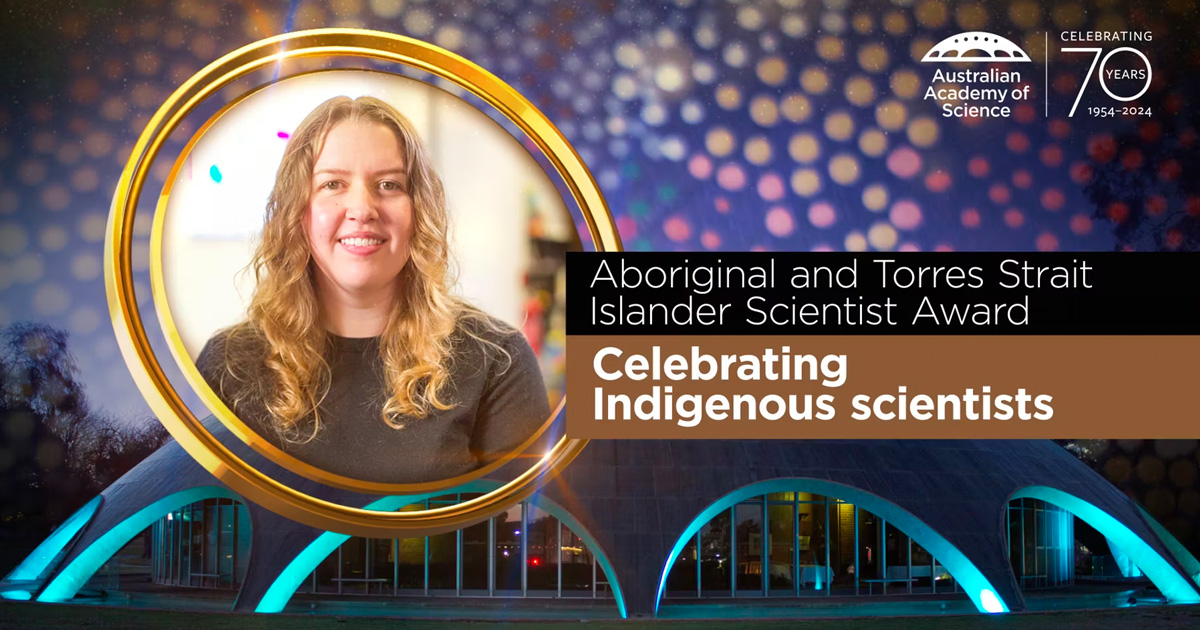
Congratulations to Indigenous genomics researcher Dr Justine Clark, who is one of two scientists nationally to receive the Australian Academy of Science’s 2024 Aboriginal and Torres Strait Islander Science Award.
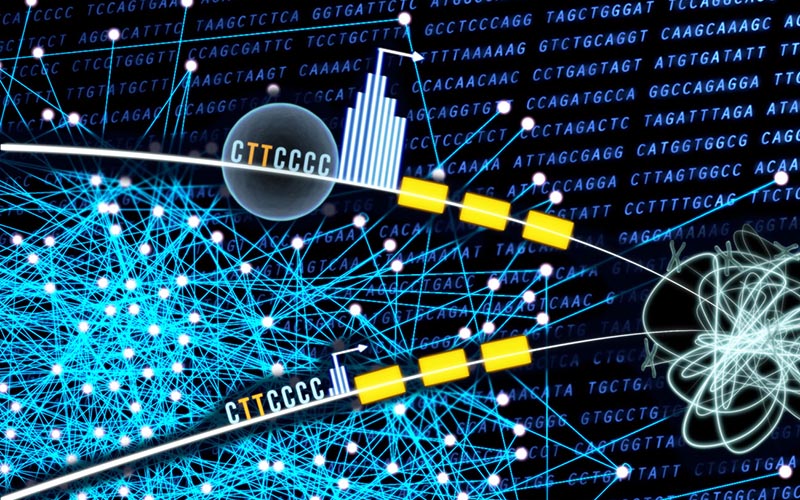
A researcher's work from 20 years ago has helped to crack one of biology’s biggest mysteries.
RNA-binding proteins and mitochondrial ribosomes have been found to be linchpins of mitochondrial gene expression in health and disease. The expanding repertoire of proteins that bind and regulate the mitochondrial transcriptome has necessitated the development of new tools and methods to examine their molecular functions.