
Search
Despite advances in immunotherapy, metastatic melanoma remains a considerable therapeutic challenge due to the complexity of the tumor microenvironment. Intratumoral type I interferon (IFN-I) has long been associated with improved clinical outcomes. However, several IFN-I subtypes can also paradoxically promote tumor growth in some contexts.
B-cell acute lymphoblastic leukemia (B-ALL) is the most common pediatric cancer. Current therapeutic regimens have improved 5-year event-free survival rates to 90%, however clinical outcomes for high-risk subgroups, such as BCR-ABL1+ B-ALL and relapsed ALL, remain poor. In addition, 16% of newly diagnosed children with ALL present with vertebral compression fractures. Moreover, 16% of children with ALL undergoing glucocorticoid therapy also experience a high incidence of vertebral fractures, indicating that bone health may be compromised by both leukemia progression and osteotoxicity of chemotherapy.
It is now well accepted that germline or de novo genetic alterations predispose to cancer development, especially during childhood. Among them, constitutive trisomy 21, also known as Down syndrome (DS), has been shown to predispose to acute leukemia affecting both the myeloid (ML-DS) and lymphoid (DS-ALL) lineages. ML-DS is associated with a good prognosis compared to children without DS, due in part to a higher sensitivity to conventional chemotherapy.
Infants with KMT2A-rearranged B-cell acute lymphoblastic leukemia (ALL) have high rates of relapse and poor survival compared with children. Few new therapies have been identified over the past twenty years. The aim of this study was to identify existing anti-cancer agents that have the potential to be repurposed for the treatment of infant ALL.
Sébastien Laurence Rishi S. Malinge Cheung Kotecha PhD BPharm (Hons) MBA PhD MB ChB (Hons) MRCPCH FRACP PhD Laboratory Head, Translational Genomics
Sébastien Rishi S. Laurence Timo Malinge Kotecha Cheung Lassmann PhD MB ChB (Hons) MRCPCH FRACP PhD BPharm (Hons) MBA PhD BSc (Hons) MSc PhD
Sébastien Malinge PhD Laboratory Head, Translational Genomics in Leukaemia, Senior Research Fellow (University of Western Australia), Adjunct Senior
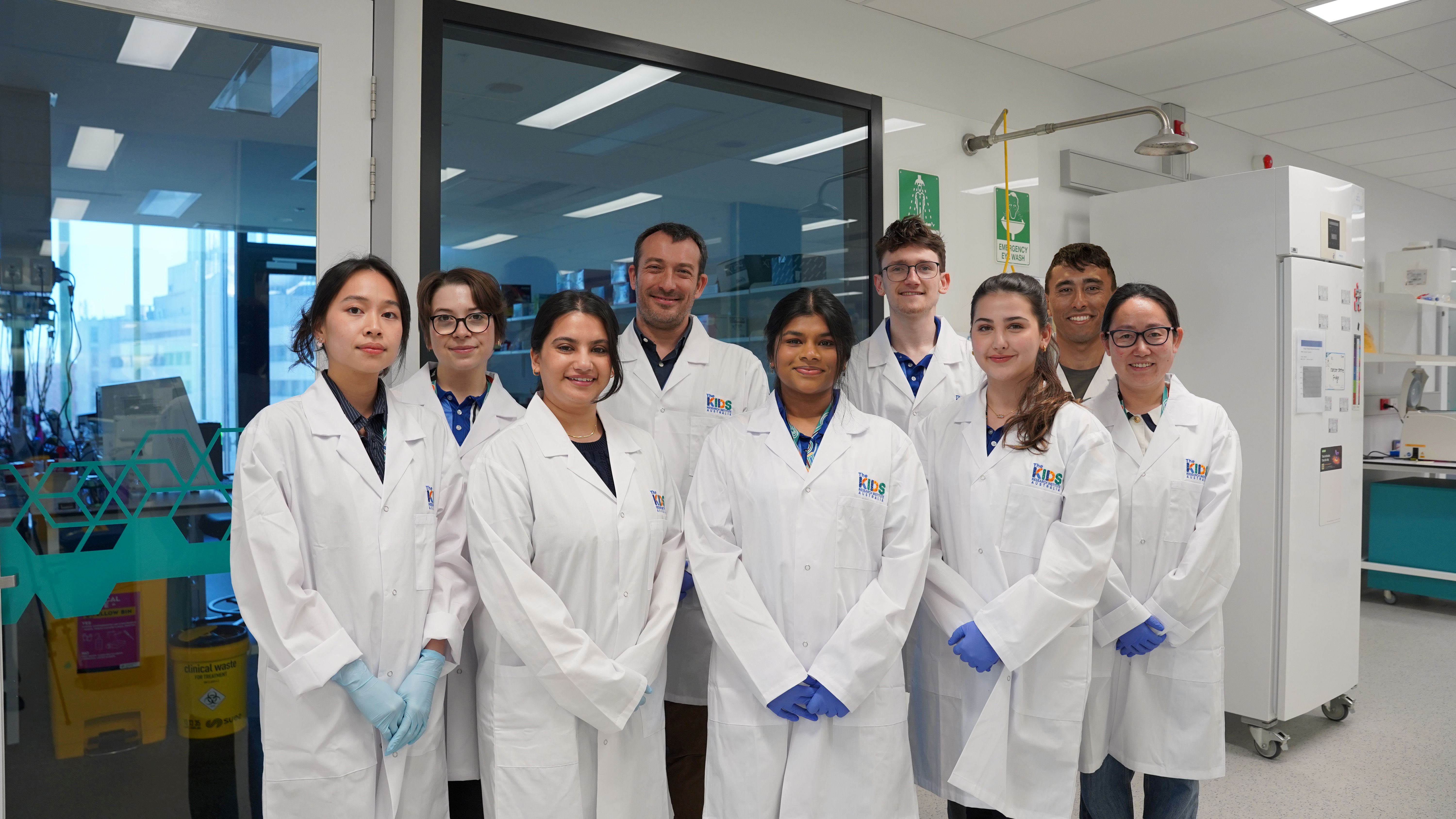
The Translational Genomics in Leukaemia team is focused on identifying the causes of leukaemia, with the goal of developing new targeted treatments to improve quality of care and long-term survival for all children with leukaemia.
Acute megakaryoblastic leukemia of Down syndrome (DS-AMKL) is a model of clonal evolution from a preleukemic transient myeloproliferative disorder requiring both a trisomy 21 (T21) and a GATA1s mutation to a leukemia driven by additional driver mutations.
Research focused on Down syndrome has increased in the last several years to advance understanding of the consequences of trisomy 21 (T21) on molecular and cellular processes and, ultimately, on individuals with Down syndrome. The Trisomy 21 Research Society (T21RS) is the premier scientific organization for researchers and clinicians studying Down syndrome.