
Search
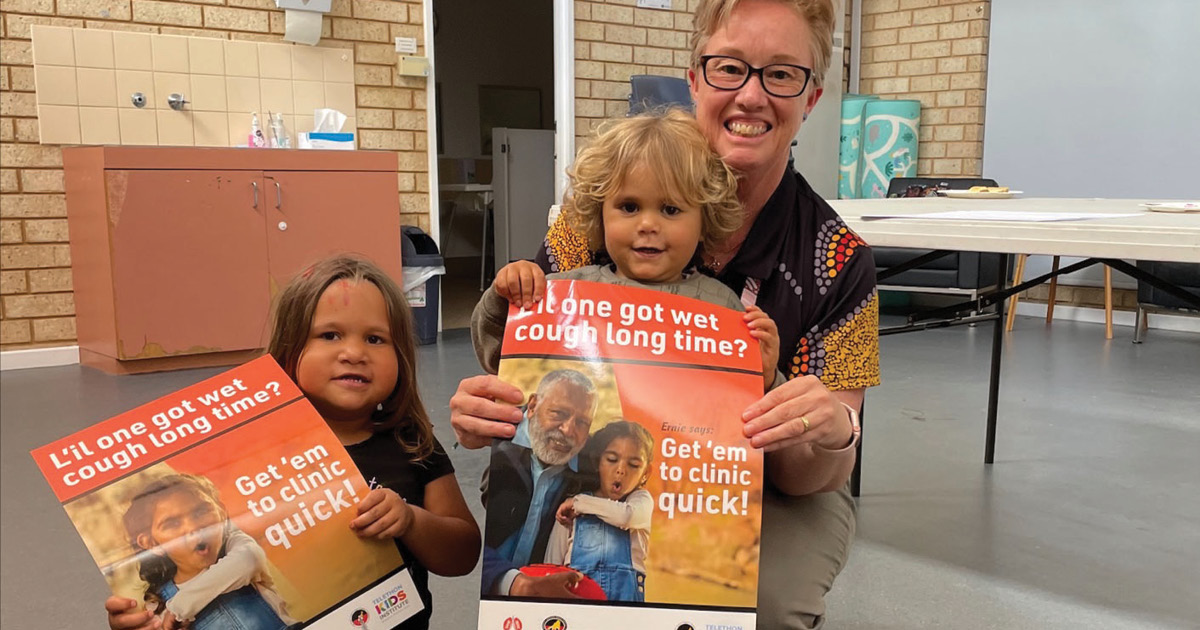
A program aimed at raising awareness of the dangers of a chronic wet cough in Aboriginal children has been extended to 14 remote and regional towns in Western Australia - thanks to a partnership between The Kids Research Institute Australia and Cystic Fibrosis WA.
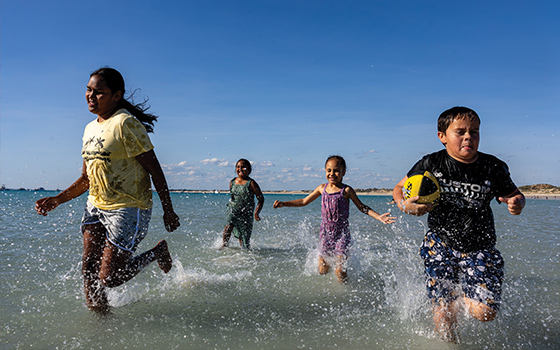
WAACHS was the largest and most comprehensive survey ever undertaken into the health, wellbeing & development of WA Aboriginal and Torres Strait Islander kids
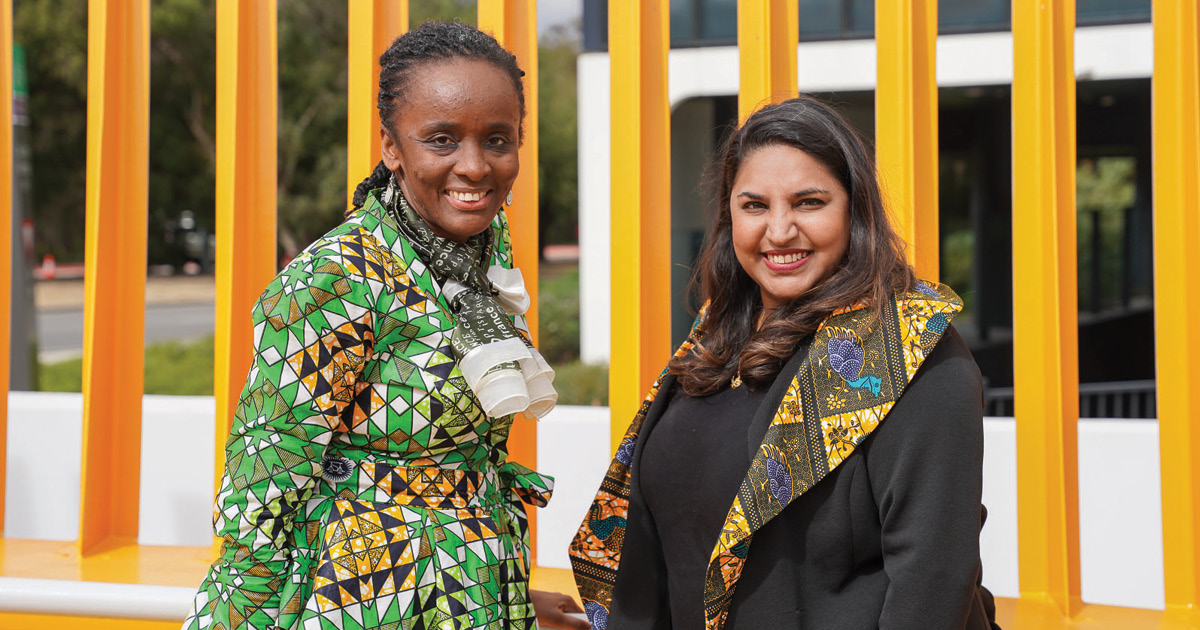
The Kids Research Institute Australia is at the forefront of a global effort to track and prevent malaria – one of the world’s leading causes of disease and child deaths, particularly in developing countries.
We know from research that the risk of death from respiratory disease is 14 times higher for adults with cerebral palsy than for other adults. Respiratory disease is the most common cause of premature death in children and young people with cerebral palsy and one of the main causes of hospitalisation.
Assisted reproductive technologies (ART) cover a range of methods used to help couples with fertility problems achieve pregnancy, including in-vitro fertilisation (IVF).
Middle ear infections are one of the main reasons that children visit a GP, are prescribed antibiotics and need surgery. Aboriginal children are particularly susceptible and commonly suffer from hearing loss which can affect speech and learning.
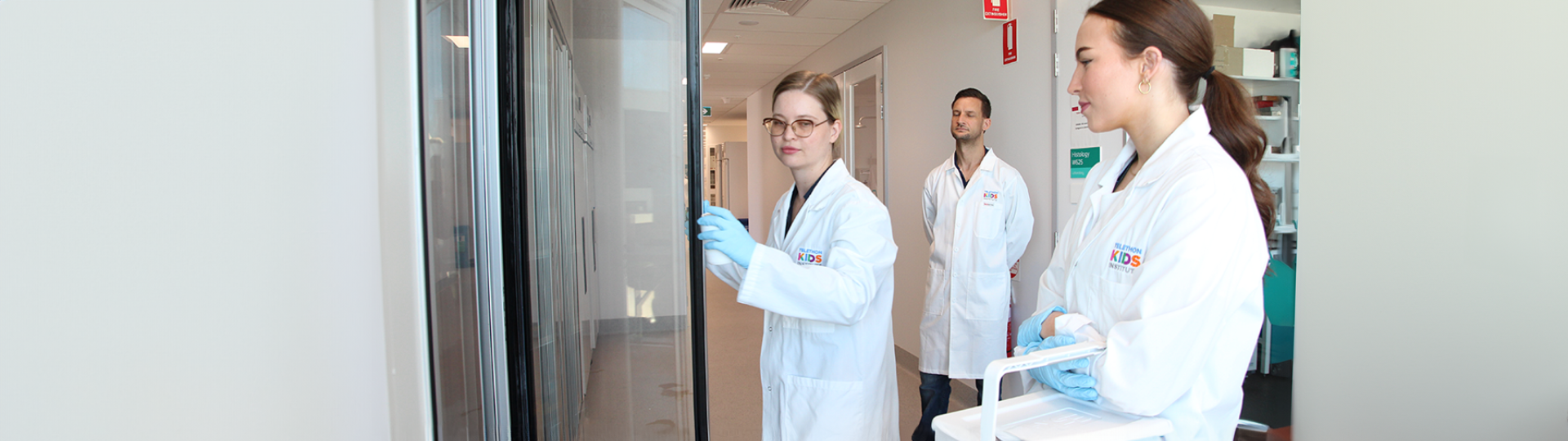
Within the Institute, we have a commitment to the highest standards of research with pro-active staff ensuring the lab environment is safe and secure.
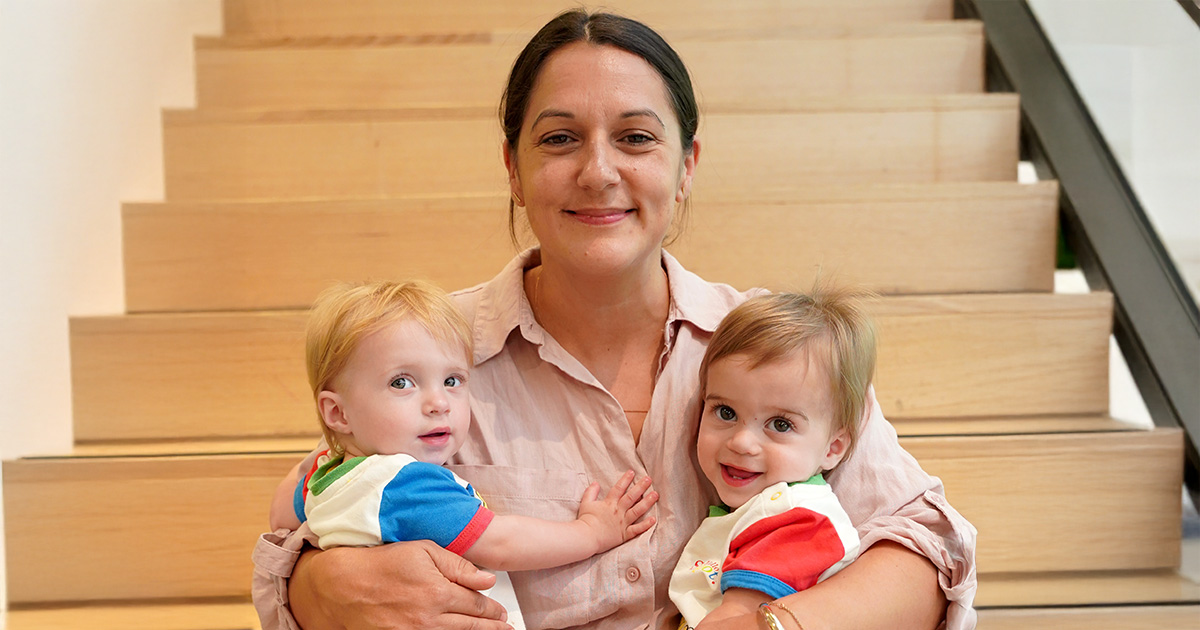
An Australian-first study, funded by Perth Children's Hospital Foundation, demonstrating the effectiveness of a new immunisation against respiratory syncytial virus (RSV) for babies found it to be almost 90 per cent effective in reducing hospitalisation rates.
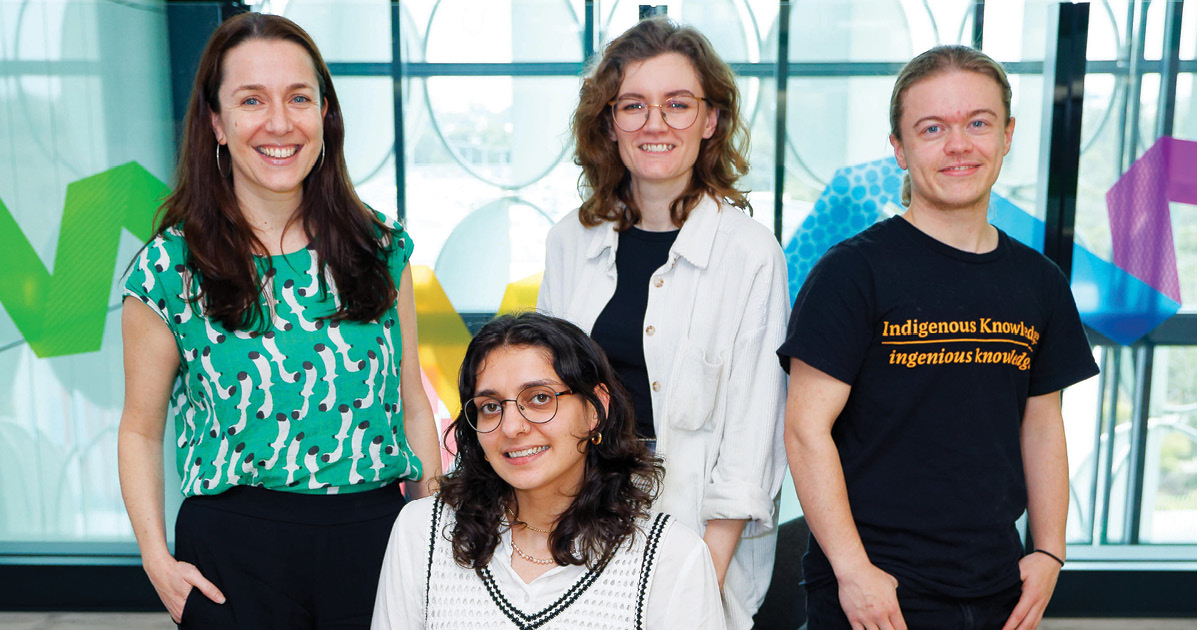
Alarming statistics laying bare the social emotional wellbeing and mental health challenges facing Aboriginal and Torres Strait Islander LGBTQA+ youth are driving a multi-partner program to provide them with greater support.
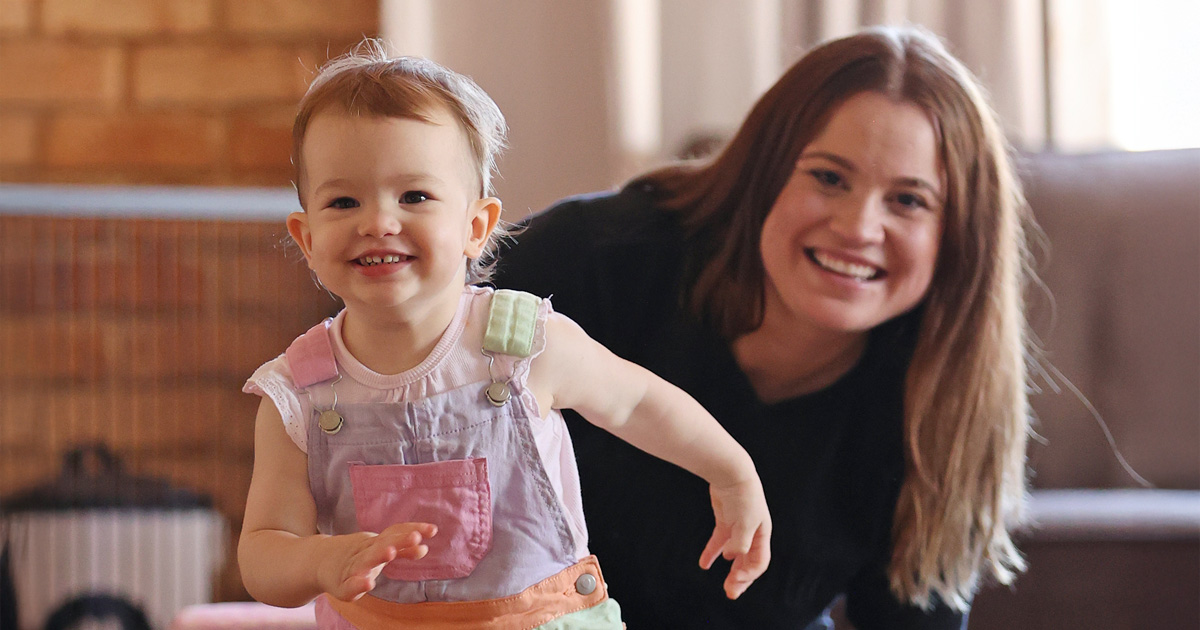
Imagine you had a healthy daughter one day and the next being told she has an incurable condition that requires day-to-day care and insulin treatment to stay alive.