
Search
Influenza vaccination during pregnancy was associated with significantly fewer hospital attendances for ARI in pregnant women
Although antenatal influenza vaccination is an important public health intervention for preventing serious infection in pregnant women and newborns, reported...
We develop a compartmental model for RSV infection, driven by a seasonal forcing function, and conduct parameter space and bifurcation analyses to document...
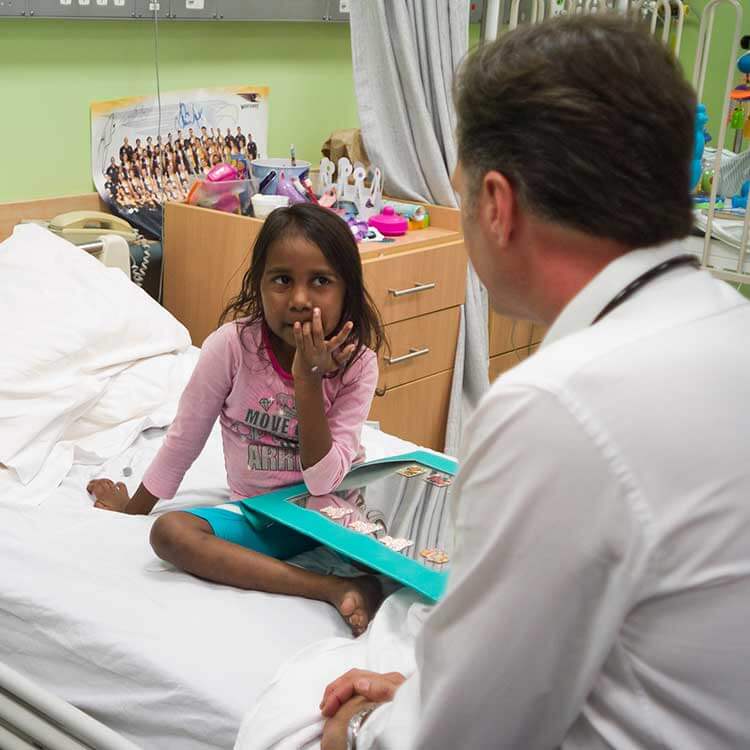
Some of the nation’s leading medical researchers will converge on Darwin this week to step out a plan to wipe out rheumatic heart disease.
Christopher Kefyalew Hannah Blyth Alene Moore MBBS (Hons) DCH FRACP FRCPA PhD BSc, MPH, PhD OAM BSc (Hons) GradDipClinEpi PhD Centre Head, Wesfarmers
Christopher Deborah Blyth Lehmann MBBS (Hons) DCH FRACP FRCPA PhD AO, MBBS, MSc Centre Head, Wesfarmers Centre of Vaccines and Infectious Diseases;
The Strep A Burden of Disease Working Group (BoDWG) was first established in 2020 through the Strep A Global Vaccine Consortium (SAVAC).
Outputs from the Strep A Burden of Disease Working Group
Hannah Tom Moore Snelling OAM BSc (Hons) GradDipClinEpi PhD BMBS DTMH GDipClinEpid PhD FRACP Head, Infectious Diseases Research Head, Infectious
In Australia, two-thirds of emergency medical service attended out-of-hospital cardiac arrests are unwitnessed, and survival is <5% in this group. With the recent incorporation of pulselessness-detection technologies into consumer wearable devices such as smartwatches, the potential exists to convert unwitnessed arrests into device-witnessed cases.