
Search
Showing results for " https://www.galaxus.ch/en/sector/showdiscussion/snaphack-iphone-visit-kunghaccom-nssr1r3i-224165"
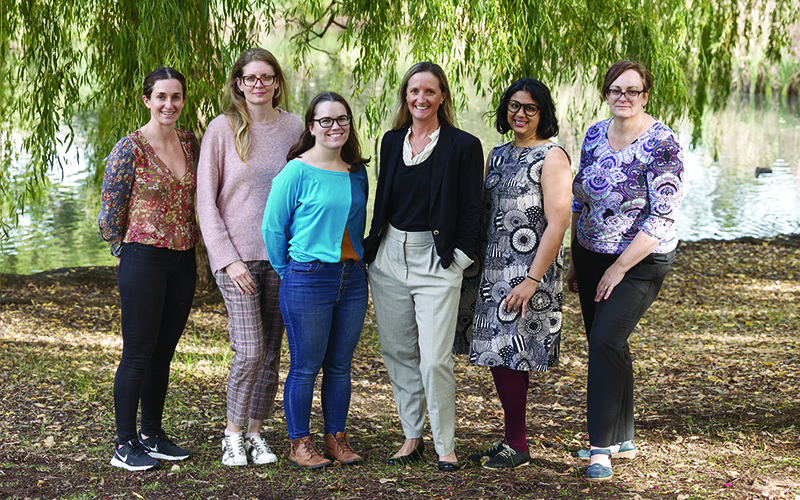
Childcare centres have flocked to take up a new evidence-based policy to help ensure young children get more of the physical activity they need to be healthy and developmentally on track.

AuStralian Collaboration to Enhance Neuro-Development

Congratulations to prominent consumer advocate Catherine Hughes and The Kids Research Institute Australia honorary researcher Dr Noula Gibson, who have been named finalists in Research Australia’s 2023 Health and Medical Research Awards.
In 2014, Wesfarmers committed $5 million over 4 years to The Kids' research to set up the Wesfarmers Centre of Vaccines and Infectious Diseases.
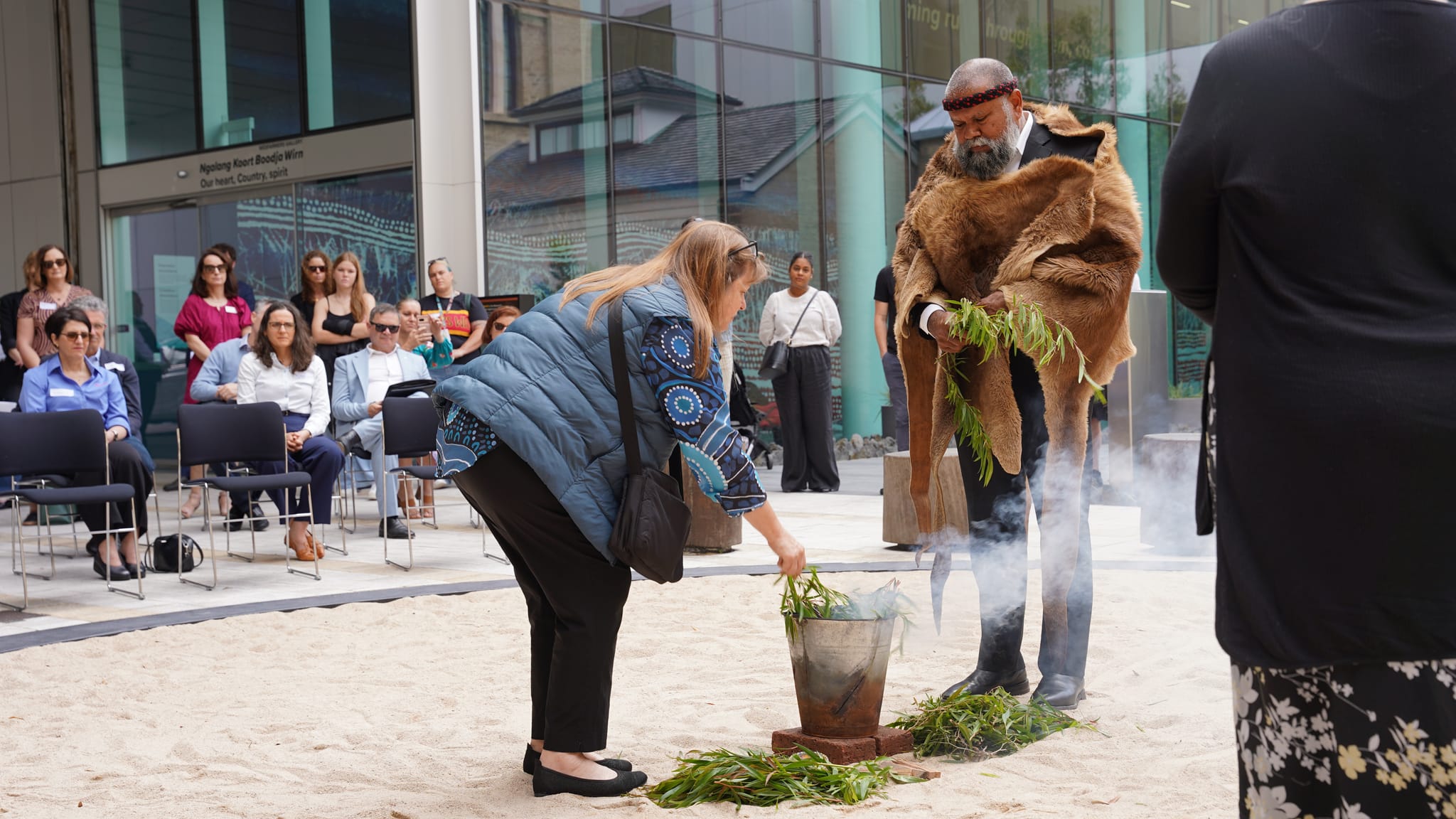
Find the preliminary findings from our cultural safety project here
There is no published information on preterm children's activities and participation during middle childhood, a time when growth and development are characterised by increasing motor, reasoning, self-regulation, social and executive functioning skills. This study explored the health, activities and participation of children born very preterm during middle childhood (6-9 years) from the perspectives of their parents.
Nasal epithelial cells from young adults with a history of very preterm birth show delayed closure following scratch-wounding. Repair correlated with lung function, suggesting epithelial barrier integrity may play a role in preterm-associated lung disease.
In Australia, accurate case ascertainment of acute rheumatic fever (ARF) and rheumatic heart disease (RHD) diagnoses for disease surveillance and control purposes requires the use of multiple data sources, including RHD registers and hospitalisation records. Despite drawing on multiple data sources, the true burden of ARF/RHD is likely to be underestimated.
Research suggests there is considerable opportunity to improve children's movement behaviors while they are being cared for by their grandparents. An understanding of the extent to which grandparent practices facilitate children's engagement in physical activity is critical to the development of health interventions targeting grandparent caregivers.
Many survivors of preterm birth (<37 weeks gestation) have lifelong respiratory deficits, the drivers of which remain unknown. Influencers of pathophysiological outcomes are often detectable at the gene level and pinpointing these differences can help guide targeted research and interventions. This study provides the first transcriptomic analysis of primary nasal airway epithelial cells in survivors of preterm birth at approximately 1 year of age.