
Search
Showing results for "early life"
The health disadvantages faced by Australian Aboriginal peoples are evidenced in early life, although few studies have focused on the reasons for population-level inequalities in more severe adverse outcomes. This study aimed to examine the scale of disparity in severe neonatal morbidity (SNM) and mortality between Aboriginal and non-Aboriginal births and quantify the relative contributions of important maternal and infant factors.
The bone marrow is a specialised niche responsible for the maintenance of hematopoietic stem and progenitor cells during homeostasis and inflammation. Recent studies however have extended this essential role to the extramedullary and extravascular lung microenvironment. Here, we provide further evidence for a reservoir of hematopoietic stem and progenitor cells within the lung from embryonic day 18.5 until adulthood.
The results showed that Tasmania's Child and Family Centres had a positive impact on parents' use and experiences of services and supports for young children.
This chapter describes the preparation of respiratory tract tissue from both mice and rats for the isolation of respiratory tract dendritic cells (RTDC).

PhD Student
On average, a person can expect to take more than 700 million breaths in their lifetime.
These data suggest that altered methylation of CpG loci within SLC6A4 may provide a robust marker of adiposity across the life course

Research Officer

Respiratory infection rates differ between geographically distant paediatric cystic fibrosis cohorts ABSTRACT Respiratory infections are a major
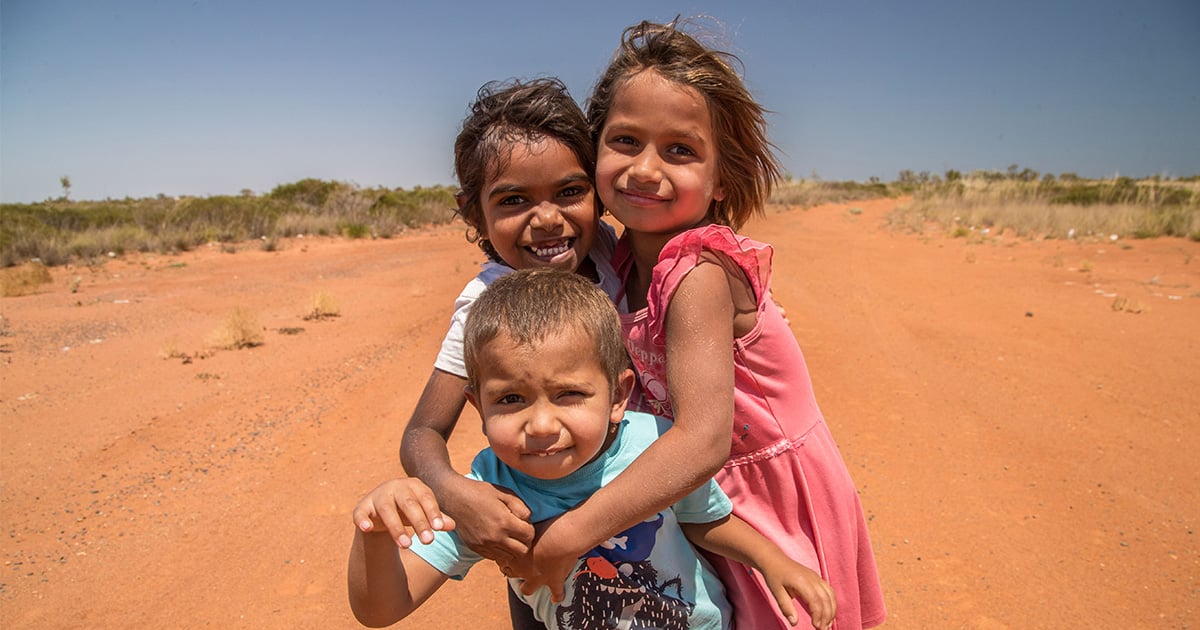
Early in the consultation phase of the project, local Elders through Hedland Aboriginal Strong Leaders, education representatives and others identified that vulnerable families needed help navigating and accessing local support services that were already available in Port Hedland.