
Search
Showing results for " https://www.galaxus.ch/en/sector/showdiscussion/snaphack-iphone-visit-kunghaccom-nssr1r3i-224165"
The Kids Research Institute Australia and Bankwest partnered together from 2019-2022 to develop a cyber safety app that provides parents and carers with the knowledge and skills to help their children thrive in a digital world.
The science that interprets the way nutrients and other substances in food affect maintenance, growth, reproduction, health and disease.

A hub of resources to support cultural safety for Aboriginal and Torres Strait Islander young people, families, and communities.
The social media application TikTok allows users to view and upload short-form videos. Recent evidence suggests it has significant potential for both industry and health promoters to influence public health behaviours. This protocol describes a standardised, replicable process for investigations that can be tailored to various areas of research interest, allowing comparison of content and features across public health topics.
A telehealth-facilitated randomised-controlled trial utilising a health promotion intervention to resolve otitis media with effusion for children won specialist Ear, Nose and Throat (ENT) waiting lists
Scientific Launch Speakers Professor Liz Davis @ProfLizDavis @CDCTelethonKids Professor Davis is the Co-Director of the JDRF Global Centre of
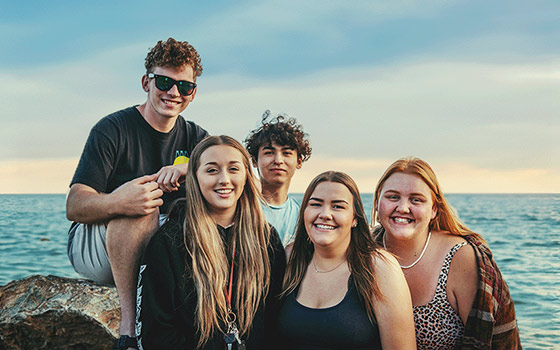
The Adolescent Health and Wellbeing team works in partnership with young people to understand their priority needs and the best ways to address these. This includes informing evidence-based policies and co-designing accessible and responsive health services.
School bullying is a public health concern affecting the physical and mental health of children and young people. While school-based interventions to prevent bullying have been developed internationally, the effectiveness of many interventions has been mixed and modest.
These findings suggest the utility of specific FOT outcomes is dependent on the respiratory disease being assessed
Family-based lifestyle interventions for children/adolescents with severe levels of obesity are numerous, but evidence indicates programs fail to elicit short- or longer-term weight loss outcomes. Families with lived experience can provide valuable insight as we strive to improve outcomes from programs. Our aim was to explore elements that families desired in a program designed to treat severe levels of obesity in young people.