
Search
Showing results for "early life"
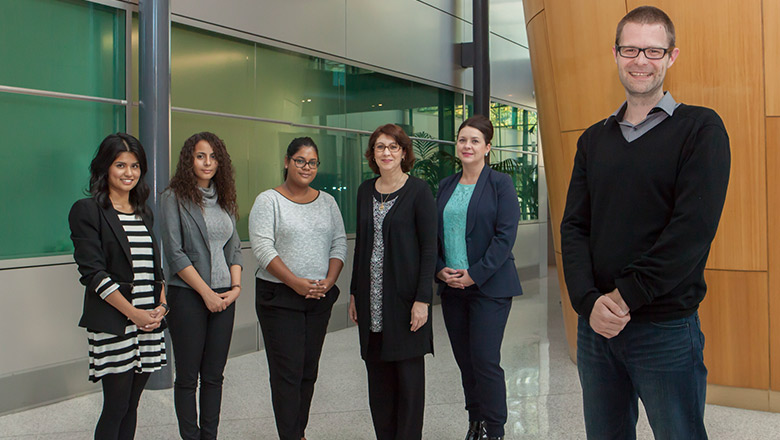
Focussing attention on a child’s first year of life is proving to be a major breakthrough in autism research.

Research shows at least a third of newborns receive formula in hospital, a practice shown to be associated with an increased risk of cow’s milk allergy.
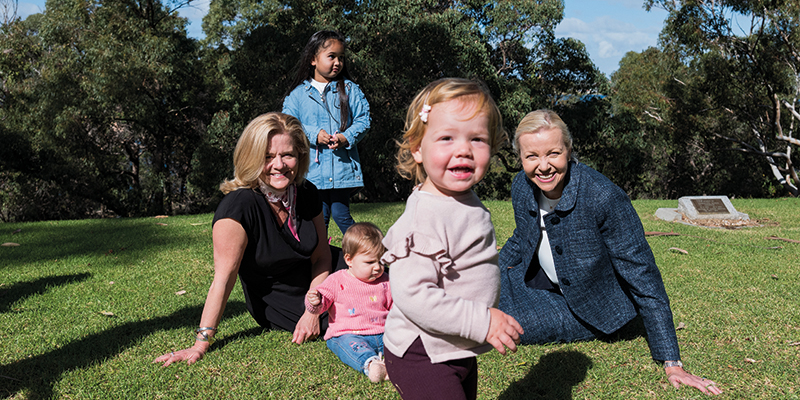
A 10-year agreement forged between the State Government, Minderoo Foundation and Telethon Kids Institute is well underway.

In this The Kids Research Institute Australia subsite, our Rett syndrome research team manages a national and international database of Rett syndrome.
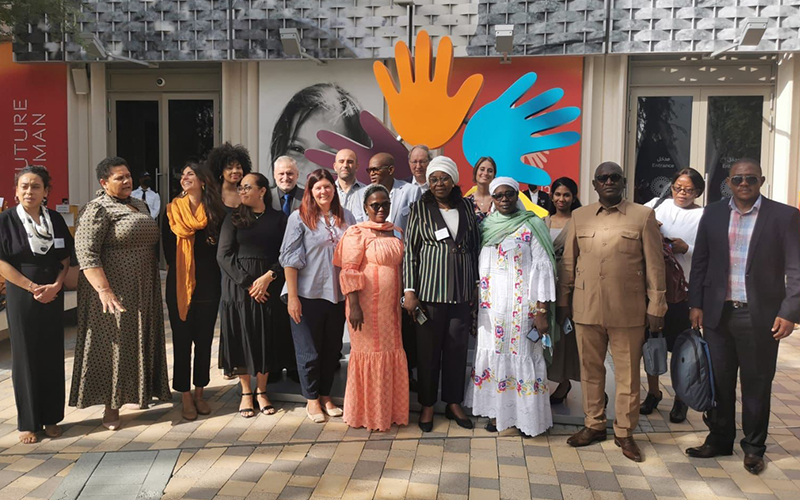
Children around the world could have better access to education thanks to an early childhood development index created for UNESCO by The Kids researcher, Prof Sally Brinkman.
The need to understand responses to extreme environments has prompted this edition of Current Opinion in Endocrine and Metabolic Research
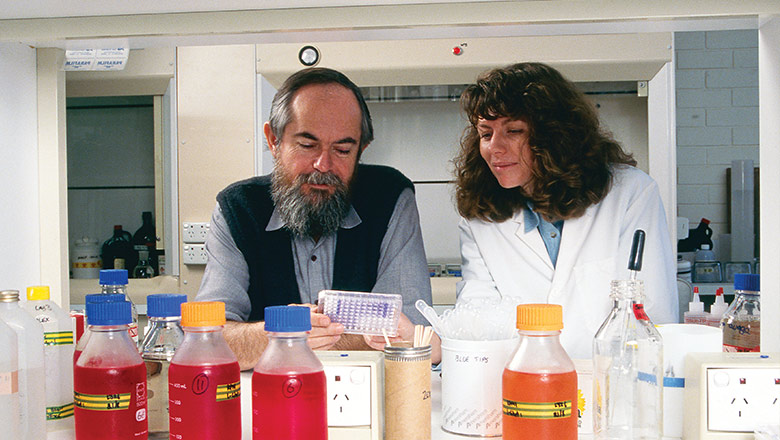
Findings by Professor Pat Holt revealed researchers had been heading down the wrong path in their battle strategy against respiratory allergy and asthma.
The measurement of quality of life (QOL) in children with intellectual disability often relies upon proxy report via caregivers. The current study investigated whether caregiver psychological distress mediates or moderates the effects of impairment on their ratings of QOL in children with intellectual disability.
These results show that a word gap related to maternal education is not apparent up to twelve months of age
The earliest respiratory function assessments, within or close to the neonatal period, consistently show correlations with lung function and with the development of asthma into adulthood. Measurements of lung function in infancy reflect the in utero period of lung development, and if early enough, show little influence of postnatal environmental exposures.