
Search

September marks the three-month milestone of an intensive health promotion campaign in the East Kimberley region, which aims to raise awareness of the dangers of a chronic wet cough in Aboriginal children.

As part of the Wal-yan Respiratory Research Centre’s aim to support the next generation of scientists in children’s respiratory research, a competitive scholarship program was introduced this year.

Valued at a total of $440,000, the Wal-yan Respiratory Research Centre Inspiration Awards 2022 will support five cutting-edge research projects.

Two outstanding researchers from the Wal-yan Respiratory Research Centre have been awarded a 2022 Innovation Fellowship supported by the WA Government's Future Health Research and Innovation (FHRI) Fund.
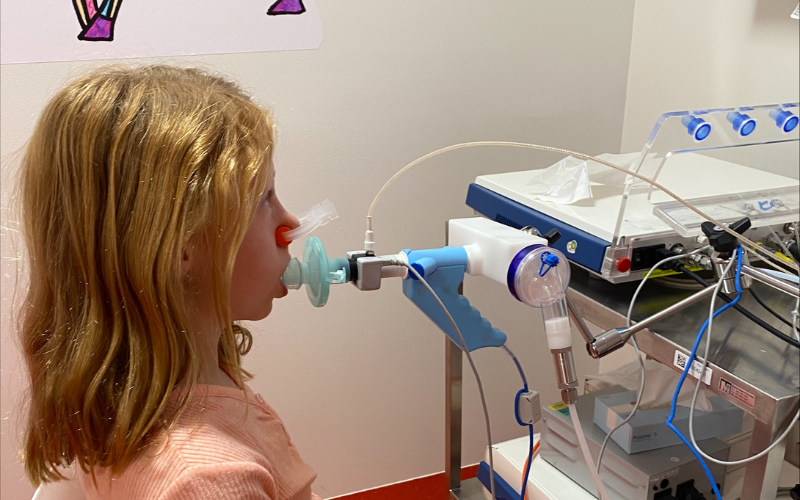
A new research project – the WA Paediatric Bronchiectasis Cohort Study – officially commenced this month with the aim of looking at children with bronchiectasis in Western Australia, like nine-year-old Holly (pictured), to better understand how this disease develops during childhood.
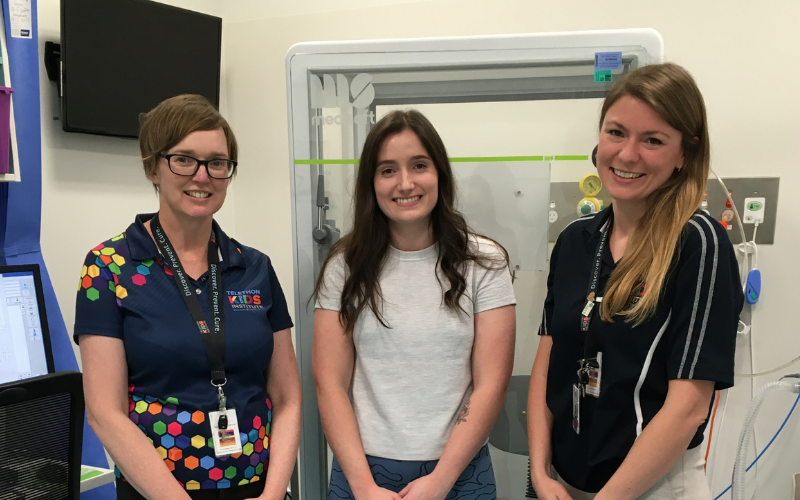
A study which set out to determine ways to predict the long-term lung health of young adults born very preterm has shown that a childhood history of respiratory hospital admission should be a key consideration in the management of preterm children and adults.

Dr Daniel Laucirica, a research officer with the Wal-yan Respiratory Research Centre, will undertake new research into potential treatment strategies to prevent lung damage in people with cystic fibrosis (CF), under the mentorship of Associate Professor Anthony Kicic - made possible by a Vertex Cyst
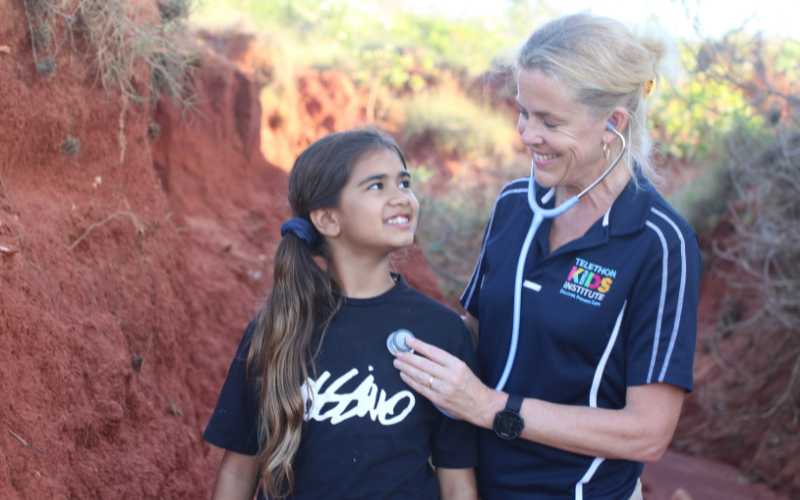
WA researchers will use a $1.97 million Medical Research Future Fund grant to develop a strategy for better follow-up of First Nations children after they’ve been hospitalised for respiratory infections, in a bid to halt the slide into more severe lung disease.
Tick bites and tick-related diseases are on the rise. Diagnostic tests that identify well-characterised tick-borne pathogens (TBPs) possess limited capacity to address the causation of symptoms associated with poorly characterised tick-related illnesses, such as debilitating symptom complexes attributed to ticks (DSCATT) in Australia. Identification of local signals in tick-bitten skin that can be detected systemically in blood would have both clinical (diagnostic or prognostic) and research (mechanistic insight) utility, as a blood sample is more readily obtainable than tissue biopsies.
Obesity is a contributing factor to asthma severity; while it has long been understood that obesity is related to greater asthma burden, the mechanisms though which this occurs have not been fully elucidated. One common explanation is that obesity mechanically reduces lung volume through accumulation of adipose tissue external to the thoracic cavity.