
Search
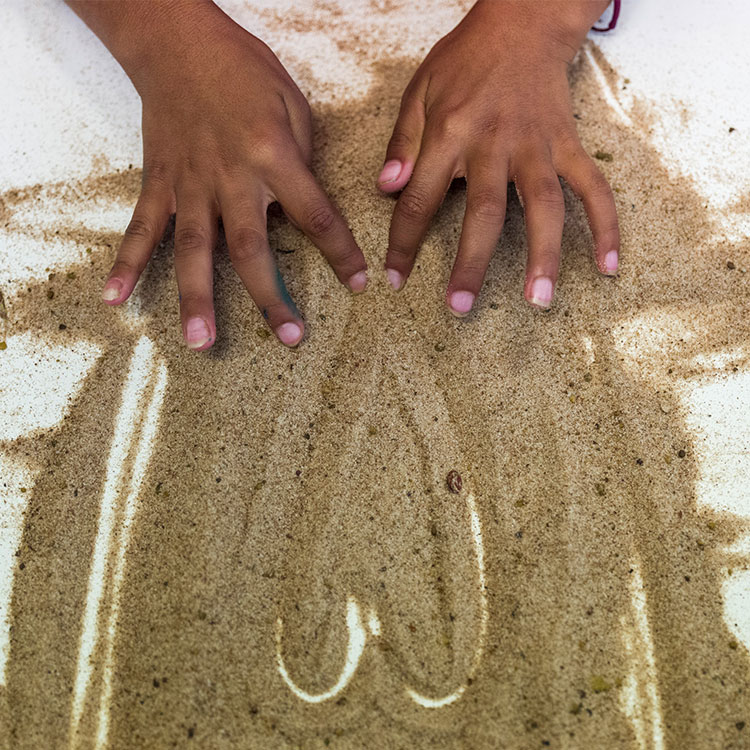
A Northern Territory-based research project investigating alternative and more practical treatments for skin sores (impetigo) benefiting children worldwide.
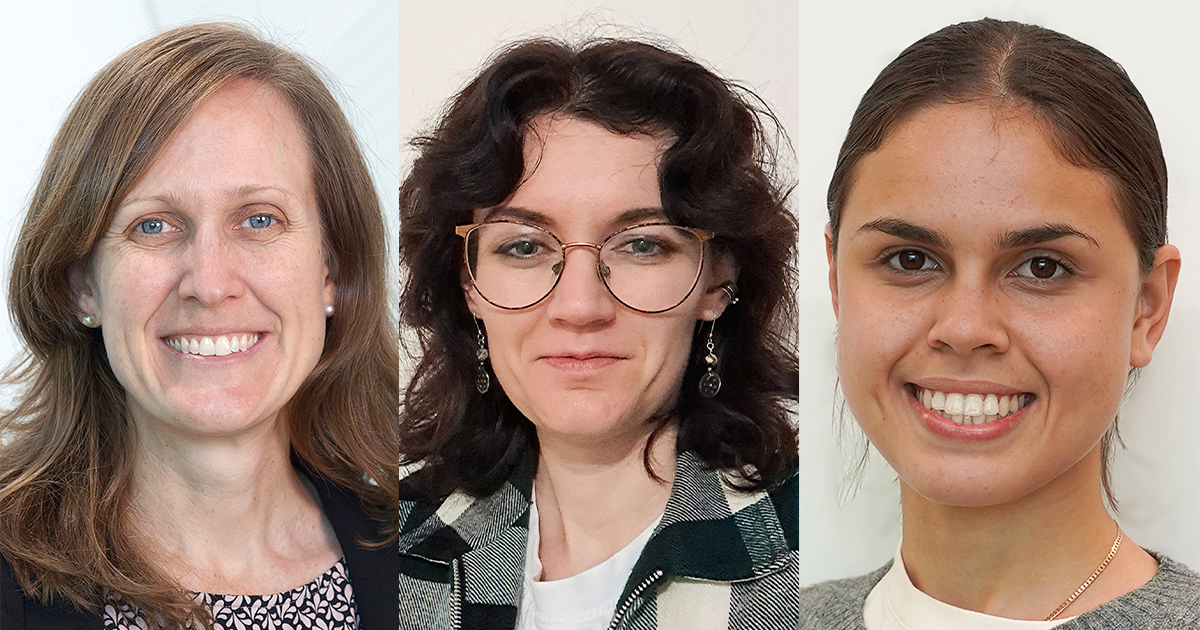
Three researchers from The Kids Research Institute Australia were recognised as being among Western Australia’s brightest and most innovative scientific minds at last night’s 24th Premier's Science Awards.
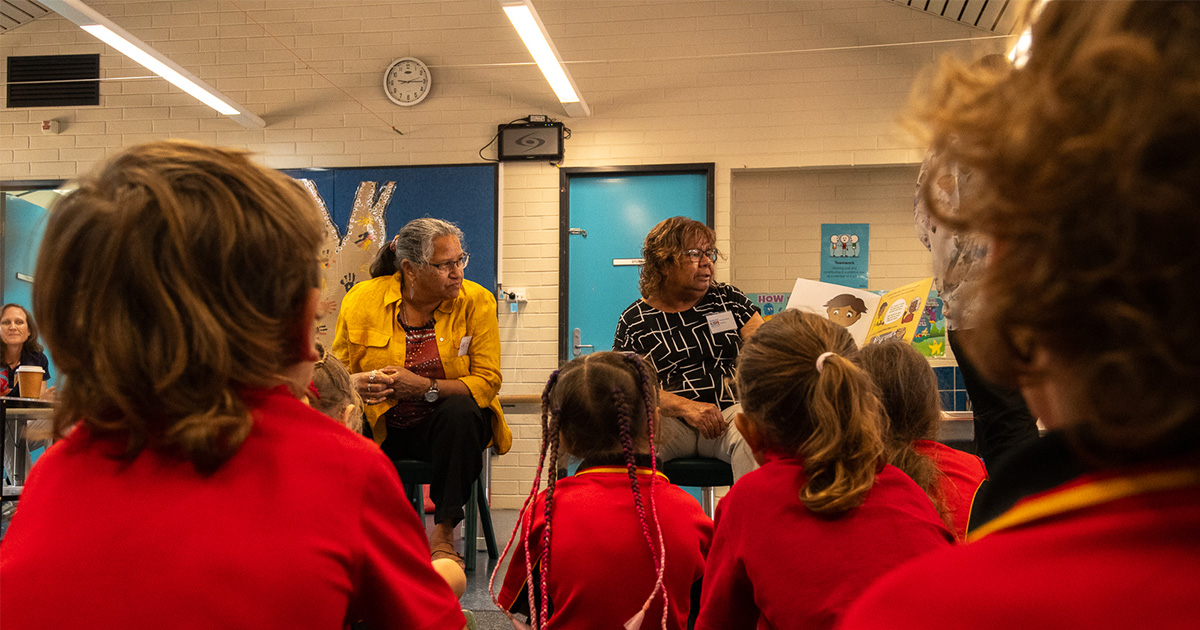
A children’s book – written by community, for community – has been launched in Western Australia’s south-west to help children and families understand more about one of the most common inflammatory skin conditions in children.
Life-threatening invasive infections caused by Streptococcus pyogenes and Streptococcus dysgalactiae subsp. equisimilis (SDSE) are unpredictable, frequently fatal, and are increasing in incidence globally. In the absence of evidence from randomized controlled trials (RCTs), clinical management for these conditions varies. Understanding current management approaches and areas of clinical equipoise will inform planning of feasible high-impact RCTs.
Head lice is an ectoparasitic skin infection commonly seen in primary school-aged children. In remote Australia, where rates of other skin infections and downstream sequelae are endemic, the rate of head lice infestation is unknown.
Asymptomatic carriage of Streptococcus pyogenes (Strep A) may contribute to transmission, yet its role remains poorly understood and evidence on optimal detection methods is limited. While self-collected throat swabs are used in infectious disease surveillance, their value for identifying asymptomatic Strep A carriage in adults is uncertain. This pilot prospective cohort study, conducted at a Perth medical research institute between August and October 2024, assessed feasibility and acceptability of self-collection, with sensitivity as a secondary objective.
Household fabrics, such as clothes, bedding, and towels, are in close contact with the skin and are assumed to play a role in the transmission of skin pathogens/ectoparasites. International public health advice for managing skin conditions therefore usually includes recommendations to wash clothes and bedding. However, such advice is often general and inconsistent between sources.
Impetigo or skin sores are estimated to affect >162 million people worldwide. Detailed descriptions of the anatomical location of skin sores are lacking.
Recruitment in research can be challenging in Australian Aboriginal contexts. We aimed to evaluate the SToP (See, Treat, Prevent skin infections) trial recruitment approach for Aboriginal families to identify barriers and facilitators and understand the utility of the visual resource used.
A high burden of bacterial skin infections is well documented in remote-living Indigenous children and young people in high-income countries.