
Search
Showing results for " https://www.galaxus.ch/en/sector/showdiscussion/cvv-shop-visit-amsigacom-kzr0okq5-221497"
This consensus statement recommends eight high-level trackable policy actions most likely to significantly improve health and wellbeing for children and young people by 2030. These policy actions include an overarching policy action and span seven interconnected domains that need to be adequately resourced for every young person to thrive: Material basics; Valued, loved and safe; Positive sense of identity and culture; Learning and employment pathways; Healthy; Participating; and Environments and sustainable futures.
Experiencing a traumatic event can significantly impact mental and emotional well-being. Social media platforms offer spaces for sharing stories, seeking support, and accessing psychoeducation. TikTok (ByteDance), a rapidly growing social media platform, is increasingly used for advice, validation, and information, although the content of this requires further study.
Policy interventions to increase physical activity in early childhood education and care (ECEC) services are effective in increasing physical activity among young children. However, a large proportion of ECEC services do not have nor implement a physical activity policy.
The purpose of this study is to explore the effectiveness of a hospital-based asynchronous ear, nose, and throat telehealth service (the Ear Portal) in reducing cost and improving access for children with otitis media.
Energy drinks (EDs) claim to boost mental performance, however, few studies have examined the prospective effects of EDs on mental health. This study examined longitudinal associations between ED use and mental health symptoms in young adults aged 20 years over a 2-year period.
The neighbourhood physical environment has a weak but significant association with early childhood development
Both the Nature play and fundamental movement skills professional development programs were effective in improving educators’ self-efficacy to engage children
Talk-based psychotherapy and physical activity are both recognised as effective treatments for child and adolescent mental illness. Despite this, talk therapy and physical activity are rarely integrated-an approach hereafter termed "active counselling (AC)" -in clinical practice for youth mental health. The purpose of this study was to explore parents' perspectives of AC for their child who had been receiving this type of therapy from a provider in Australia. Parental perceptions were also used to identify possible psychological mechanisms underpinning the effects of AC.
Rates of mental illness are disproportionately high for young adult and higher education (e.g., university student) populations. As such, universities and tertiary institutions often devote significant efforts to services and programs that support and treat mental illness and/or mental distress. However, within that portfolio of treatment approaches, structured exercise has been relatively underutilised and greater research attention is needed to develop this evidence base.
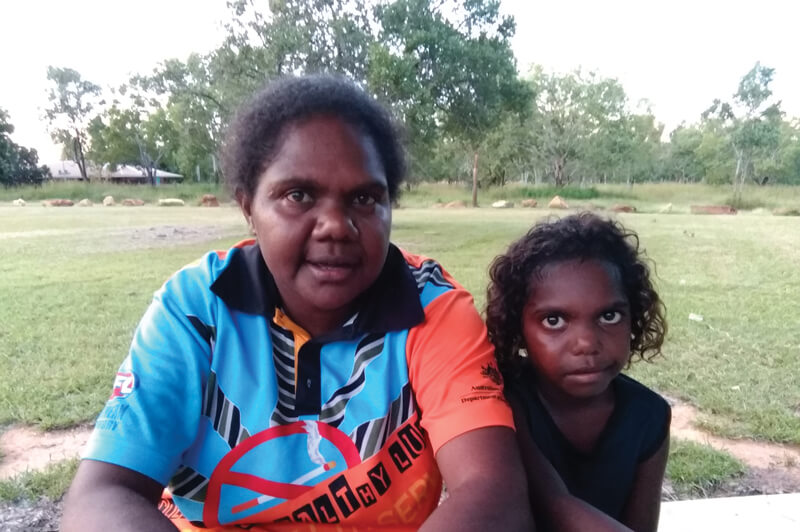
Collaboration is the driving force behind ‘END RHD Demonstration Communities’ – a new community-driven, research-backed approach to tackling rheumatic heart disease (RHD) in remote Australia.