
Search
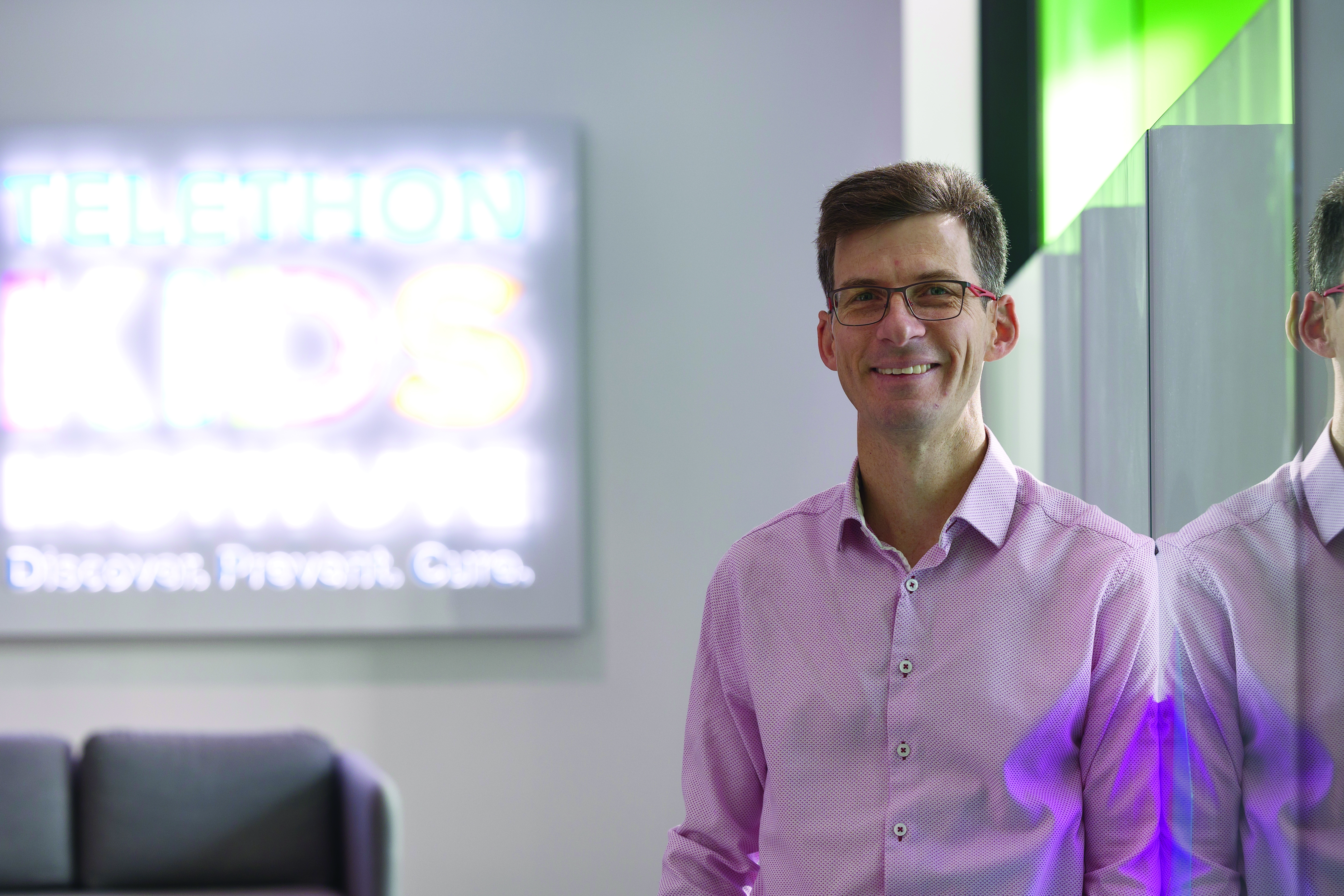
A bold research program is working to give young children lifelong protection against influenza

Can young people experiencing homelessness be part of the solution in suicide prevention? That is the question youth mental health researchers at Embrace at The Kids Research Institute Australia will investigate.
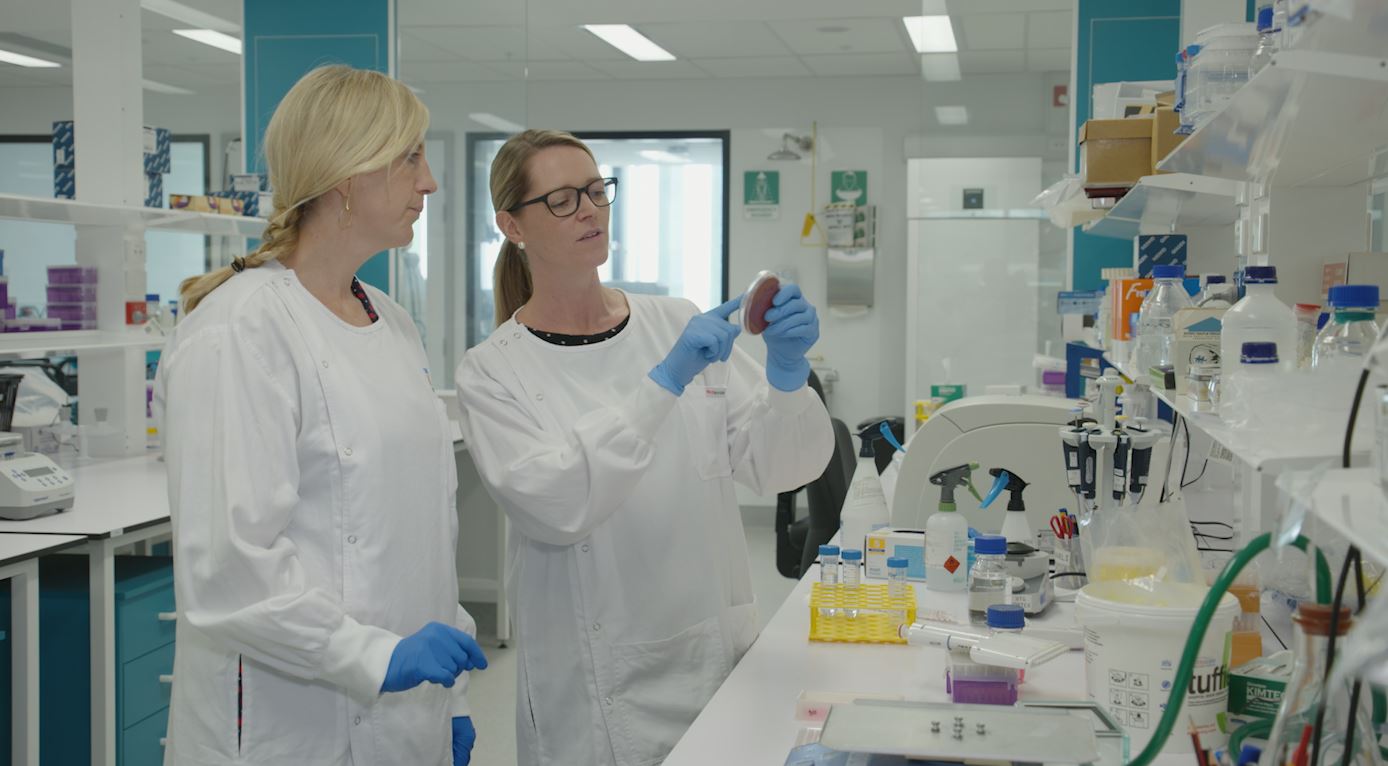
Wiping out childhood ear infections could become a reality thanks to new research identifying the main bacteria responsible for recurrent ear infections and repeat ear surgeries.
Bullying is now regarded as a health problem and not just a disciplinary problem. Increasing evidence shows both traditional bullying (e.g. hitting, teasing) and cyberbullying have lasting effects on young people (both those who bully and those who are bullied), including damage to self-esteem, academic results and mental health.
On this Research Impact page, we list stories helping demonstrate how we collaborate with other leaders, innovators, communities, and international stakeholders to ensure excellent research results. The better our results, the better the chances of research making a real difference.
About 2 per cent of children are estimated to have an intellectual disability. The cause of the condition is unknown in at least 50 per cent of cases.
A severe neurodevelopmental disorder mostly affecting girls.
The science that interprets the way nutrients and other substances in food affect maintenance, growth, reproduction, health and disease.
Engaging the community in COVID-19 rapid research
Risk factors for non-communicable diseases (NCDs, cardiovascular diseases, cancers, chronic respiratory diseases, diabetes, and mental disorders) arise in adolescence but are mostly framed as relevant to health in adulthood; little is known about the relationship between co-occurring NCD risks and mental wellbeing in young people.