
Search
Monitoring children's recovery postoperatively is important for routine care, research, and quality improvement. Although telephone follow-up is common, it is also time-consuming and intrusive for families. Using SMS messaging to communicate with families regarding their child's recovery has the potential to address these concerns. While a previous survey at our institution indicated that parents were willing to communicate with the hospital by SMS, data on response rates for SMS-based postoperative data collection is limited, particularly in pediatric populations.
Human respiratory syncytial virus (RSV) is an important cause of acute respiratory infection with the most severe disease in the young and elderly. Non-pharmaceutical interventions and travel restrictions for controlling COVID-19 have impacted the circulation of most respiratory viruses including RSV globally, particularly in Australia, where during 2020 the normal winter epidemics were notably absent.
Acute lymphoblastic leukemia (ALL) in infants younger than 1 year of age is an aggressive, high-risk subtype of childhood ALL. Infant ALL with KMT2A-r is characteristically poorly responsive to chemotherapy and hematopoietic stem cell transplantation. New strategies, such as molecularly targeted therapies and immunotherapies, are in development and show promise in preclinical models and early phase studies.
The COVID-19 pandemic, coupled with significant social changes due to legislative and public health requirements, has changed the way in which people experience grief. We examined whether dysfunctional grief symptoms, disrupted meaning, risk factors, and functional impairment differed between people bereaved from COVID-19 and from other natural or violent causes in this same period.
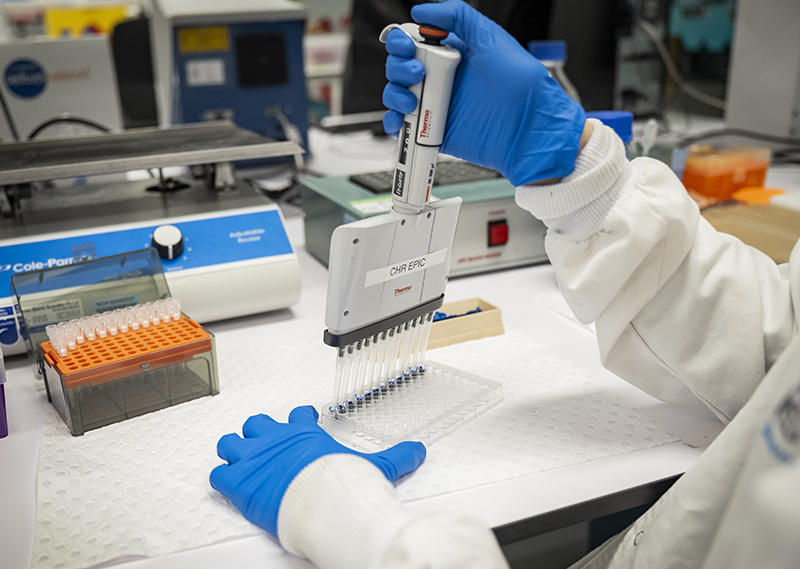
Researchers from The Kids Research Institute Australia have been awarded more than $11 million to support vital child health projects, under the Federal Government’s Medical Research Future Fund.
To describe the health and well-being of children and young people (CYP) seeking asylum subjected to Australia's immigration policy of indefinite mandatory detention on Nauru.
The production and use of antibiotics increased significantly after the Second World War due to their effectiveness against bacterial infections. However, bacterial resistance also emerged and has now become an important global issue.
Maternal milk feeding may have unique long-term neurodevelopmental benefits in very preterm infants. We examine the extent to which maternal milk feeding after very preterm birth is associated with cognitive, academic, and behavioral outcomes at school age.
The media plays a powerful role in shaping health-related attitudes and behaviours. We investigated media reports about children's independent mobility (CIM) and associations with parental attitudes towards CIM. CIM-related media reports (newspaper, online, television) during a 3-month period were extracted from two databases.
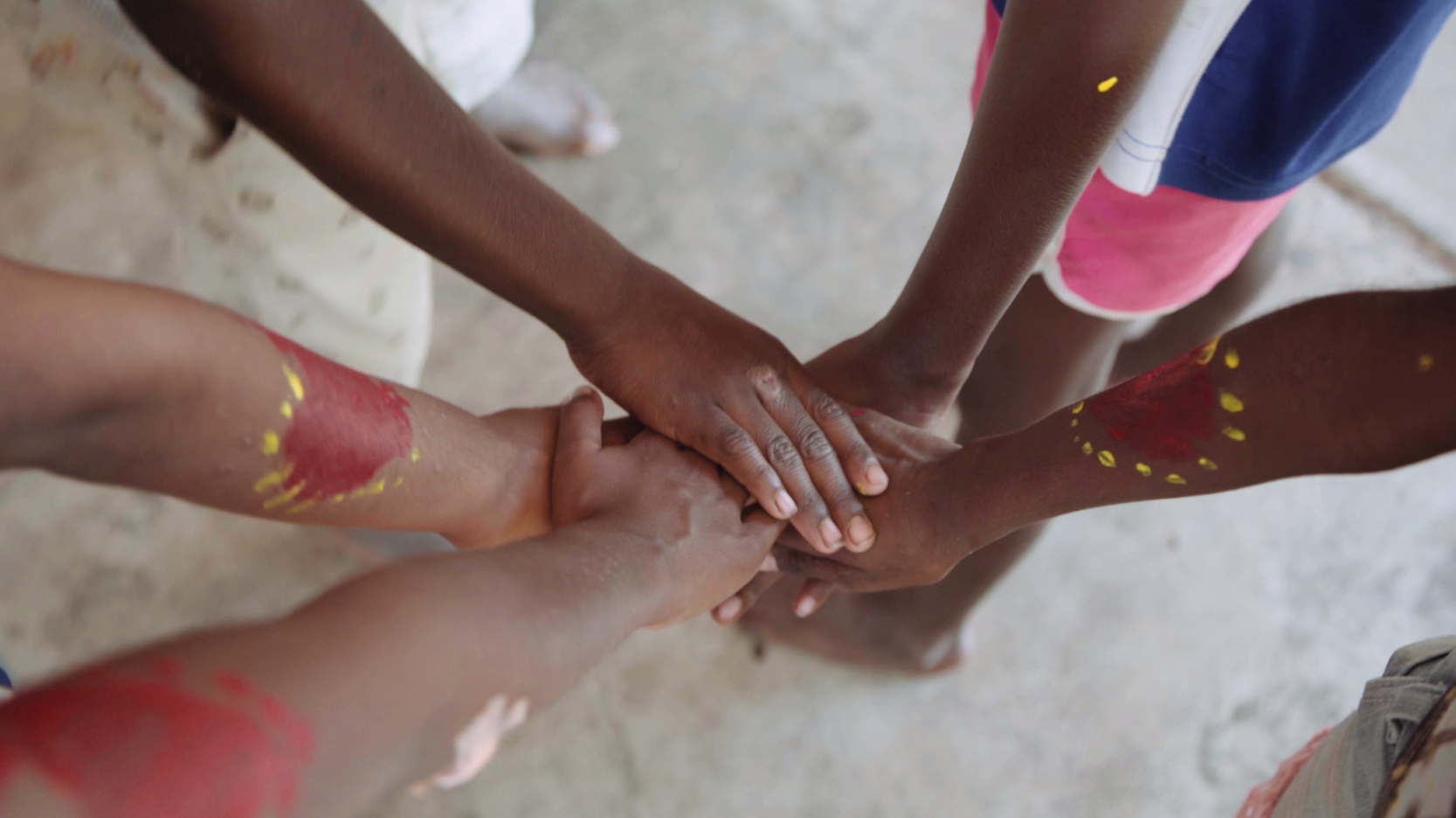
Young Aboriginal and Torres Strait Islander people receiving long-term, painful injections to prevent deadly complications from rheumatic heart disease (RHD) will design their own optimum treatment program thanks to latest research at The Kids Research Institute Australia.