
Search
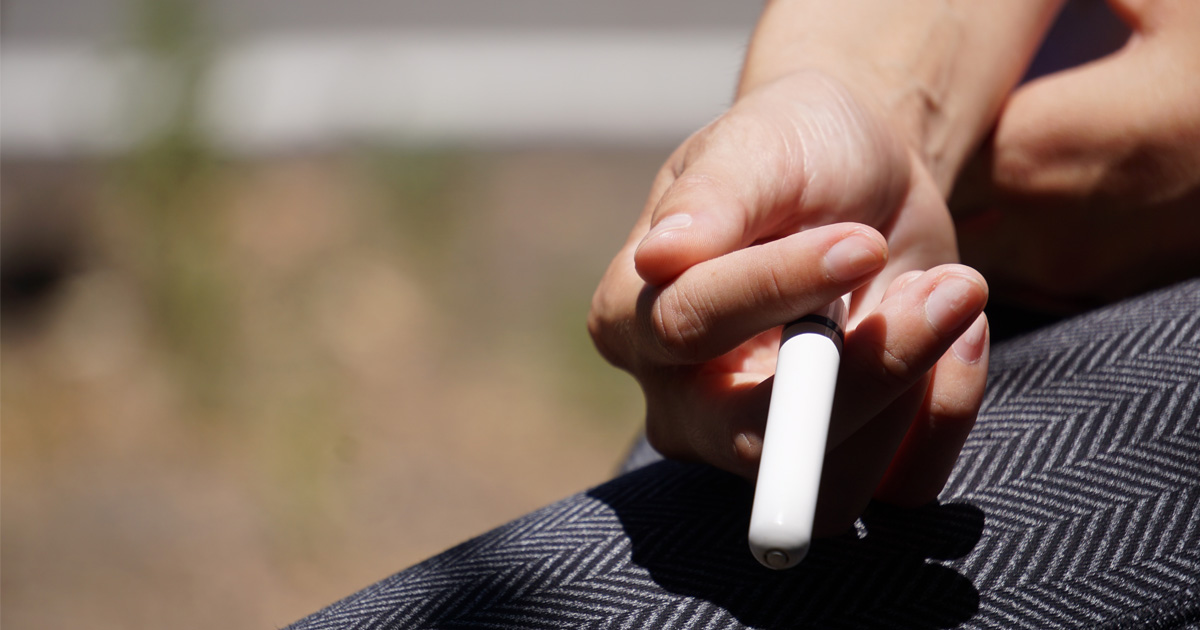
The Kids Research Institute Australia strongly supports the Federal Government’s announcement today to introduce a suite of reforms aimed at banning non-prescription vaping products in Australia.
The aim of this project was to identify the top 10 priorities for childhood chronic conditions and disability (CCD) research from the perspectives of children and young people with lived experience, their parents and caregivers and the professionals who work with them.
A vaccine against influenza is available seasonally but is not 100% effective. A predictor of successful seroconversion in adults is an increase in activated circulating T follicular helper (cTfh) cells after vaccination. However, the impact of repeated annual vaccinations on long-term protection and seasonal vaccine efficacy remains unclear.
The COVID-19 pandemic has led to far-reaching disruptions to health systems, including preventative and curative services for malaria. The aim of this study was to estimate the magnitude of disruptions in malaria case management in sub-Saharan Africa and their impact on malaria burden during the COVID-19 pandemic. We used survey data collected by the World Health Organization, in which individual country stakeholders reported on the extent of disruptions to malaria diagnosis and treatment.
Secondary prophylaxis to prevent rheumatic heart disease (RHD) progression, in the form of four-weekly intramuscular benzathine benzylpenicillin G (BPG) injections, has remained unchanged since 1955. Qualitative investigations into patient preference have highlighted the need for long-acting penicillins to be delivered less frequently, ideally with reduced pain.
Policy interventions to increase physical activity in early childhood education and care (ECEC) services are effective in increasing physical activity among young children. However, a large proportion of ECEC services do not have nor implement a physical activity policy.
Aboriginal Australians have a fundamental human right to opportunities that lead to healthy and flourishing lives. While the impact of trauma on Aboriginal Australians is well-documented, a pervasive deficit narrative that focuses on problems and pathology persists in research and policy discourse.
To assess the association between in utero exposure to seasonal inactivated influenza vaccine (IIV) and the risk of a diagnosis of a neurodevelopmental disorder in early childhood.
Studies linking early life exposure to air pollution and subsequent impaired lung health have focused on chronic, low-level exposures in urban settings. We aimed to determine whether in utero exposure to an acute, high-intensity air pollution episode impaired lung function 7-years later.
The number of tRNA isodecoders has increased dramatically in mammals, but the specific molecular and physiological reasons for this expansion remain elusive. To address this fundamental question we used CRISPR editing to knockout the seven-membered phenylalanine tRNA gene family in mice, both individually and combinatorially.