
Search
Showing results for "early life"
Despite their increasing popularity, and Australia's unique regulatory environment, how and why Australian adults use e-cigarettes and their perceptions of their safety, efficacy and regulation have not been extensively reported before. In this study, we screened 2217 adult Australians with the aim of assessing these questions in a sample of current or former e-cigarette users.
The idea of the '30 million word gap' suggests families from more socioeconomically advantaged backgrounds engage in more verbal interactions with their child than disadvantaged families. Initial findings from the Language in Little Ones (LiLO) study up to 12 months showed no word gap between maternal education groups.
The involvement of young people in the development, implementation and evaluation of youth mental health services, policy and research programs is essential to ensure they are appropriate and responsive to the needs of young people. Despite the increasingly central role that youth engagement and participation plays internationally, such activities are rarely described in detail.
Screen time guidelines recommend no screens under two years due to the potential negative impacts on development. While current reports suggest many children exceed this, research relies on parent reports of their children's screen exposure. We objectively assess screen exposure during the first two years and how it differs by maternal education and gender.
This study found rhinovirus infection drives necrotic cell death in cystic fibrosis airway epithelial cells
Non-communicable diseases (NCDs) pose the greatest threat to human health globally. The dramatic rise in early onset NCDs - such as childhood obesity, the allergy epidemic and an increasing burden of mental ill health in children and youth - reflect the profound early impact of modern environments on developing systems.
The authors assessed the impact of including preschool‐aged children with a history of preterm birth, early life wheeze, asthma diagnoses and/or recent respiratory symptoms in healthy reference ranges for respiratory impedance using the forced oscillation technique (FOT).
This paper provides a comprehensive review of empirical evidence linking parental nonstandard work schedules to four main child developmental outcomes:...
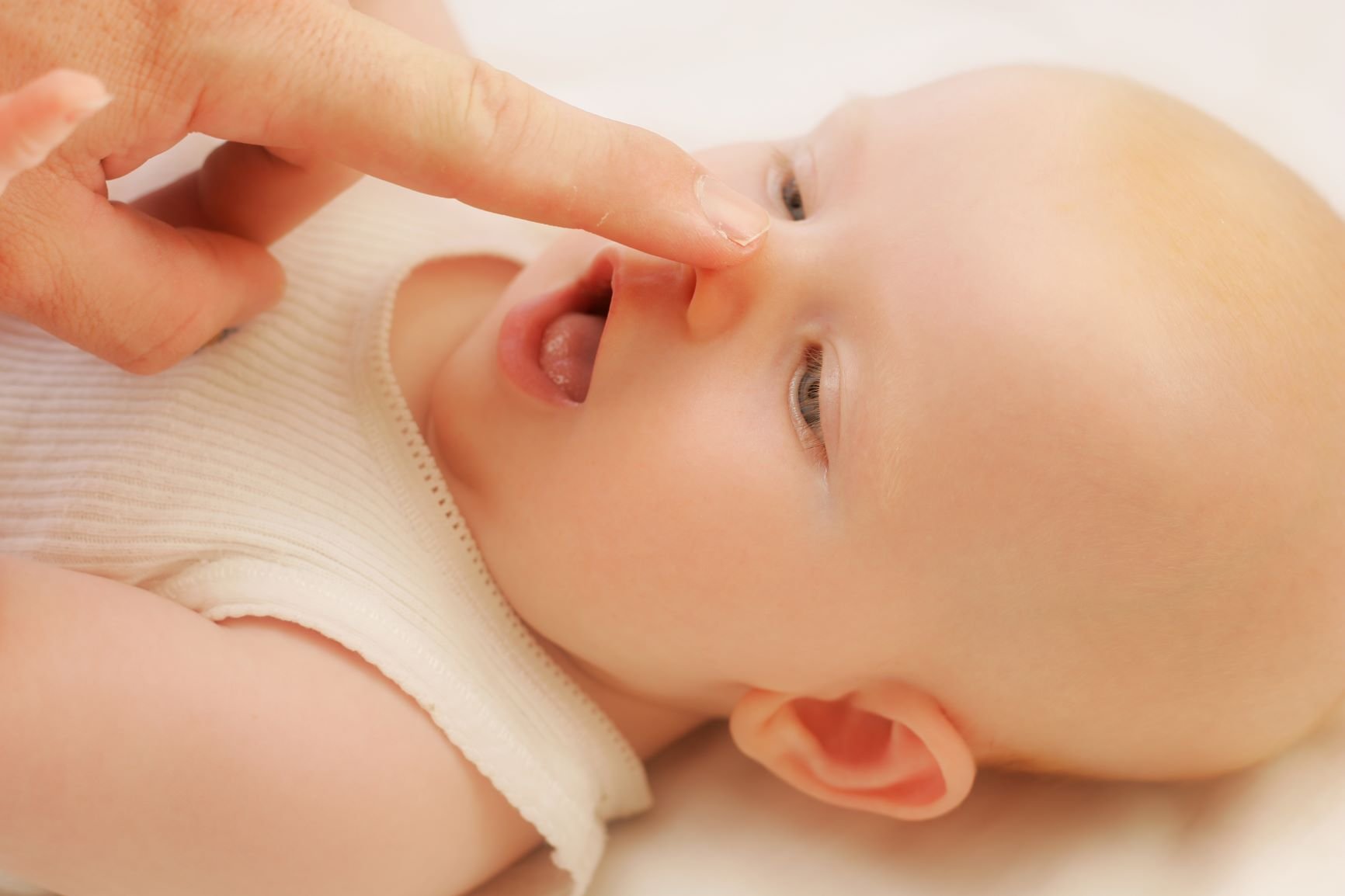
Investigating the possible contributors to childhood lung disease by studying the epithelial cells from the nose at birth.

Imagine living with a condition that requires you to make approximately 180 health- related decisions every day for the rest of your life.