
Search
In this chapter we present the research questions motivating the book and outline key themes and issues guiding the chapters. We provide a broad overview of the Australian social, political and economic context to give readers an understanding of some of the key features of Australian society.
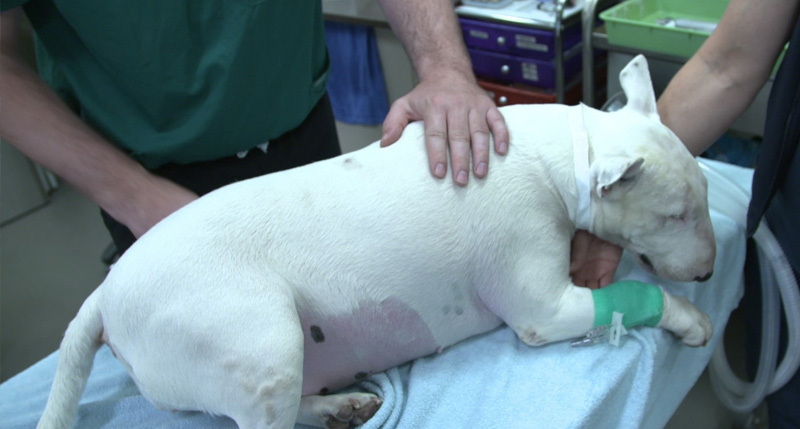
The Kids Research Institute Australia is leading a unique clinical trial in pet dogs that could pave the way for a new immunotherapy treatment for one of the most common childhood cancers, Sarcoma.
The HEAL Network aims to strengthen the Australian health system and community resilience to climate change, extreme events, and environmental degradation.
The discovery of CRISPR-Cas9 and its widespread use has revolutionised and propelled research in biological sciences.
Children diagnosed with autism spectrum disorder may be at higher likelihood of experiencing poorer oral health and difficulties accessing dental health care. However, identifying which children on the autism spectrum may be more vulnerable to experiencing dental care difficulties is still unknown.
To describe and explore the relationship between weather and the unusual 2020 bronchiolitis season in Western Australia during the COVID-19 pandemic.
Citation: Valvi S, Hansford JR. Radiomics-A new age of presurgical assessment to improve outcomes in pediatric neuro-oncology. Neuro Oncol. 2022;24(6
Peri-prosthetic joint infection (PJI) is a devastating complication of joint replacement surgery. Determining the optimal duration of intravenous (IV) antibiotics for PJI managed with debridement and implant retention (DAIR) is a research priority.
We explored childcare educators’ perceived barriers and facilitators to policy implementation in order to inform the development and implementation of an early childhood education and care (ECEC) specific physical activity policy. This study was part of the Play Active (2019-2023) project which aimed to develop, implement and evaluate evidence-based physical activity policy to improve physical activity levels in children attending ECEC.
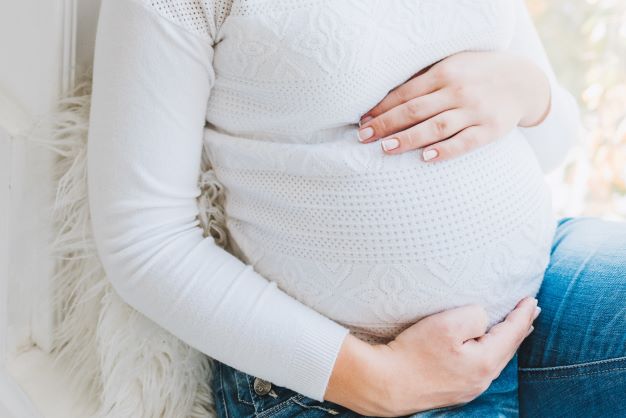
New collaborative research involving almost 600,000 pregnant mothers has demonstrated a dramatic increase in uptake of the whooping cough (pertussis) vaccine after identifying just 22 per cent of WA women had the maternal vaccination between 2012 – 2017.