
Search
Showing results for "early life"
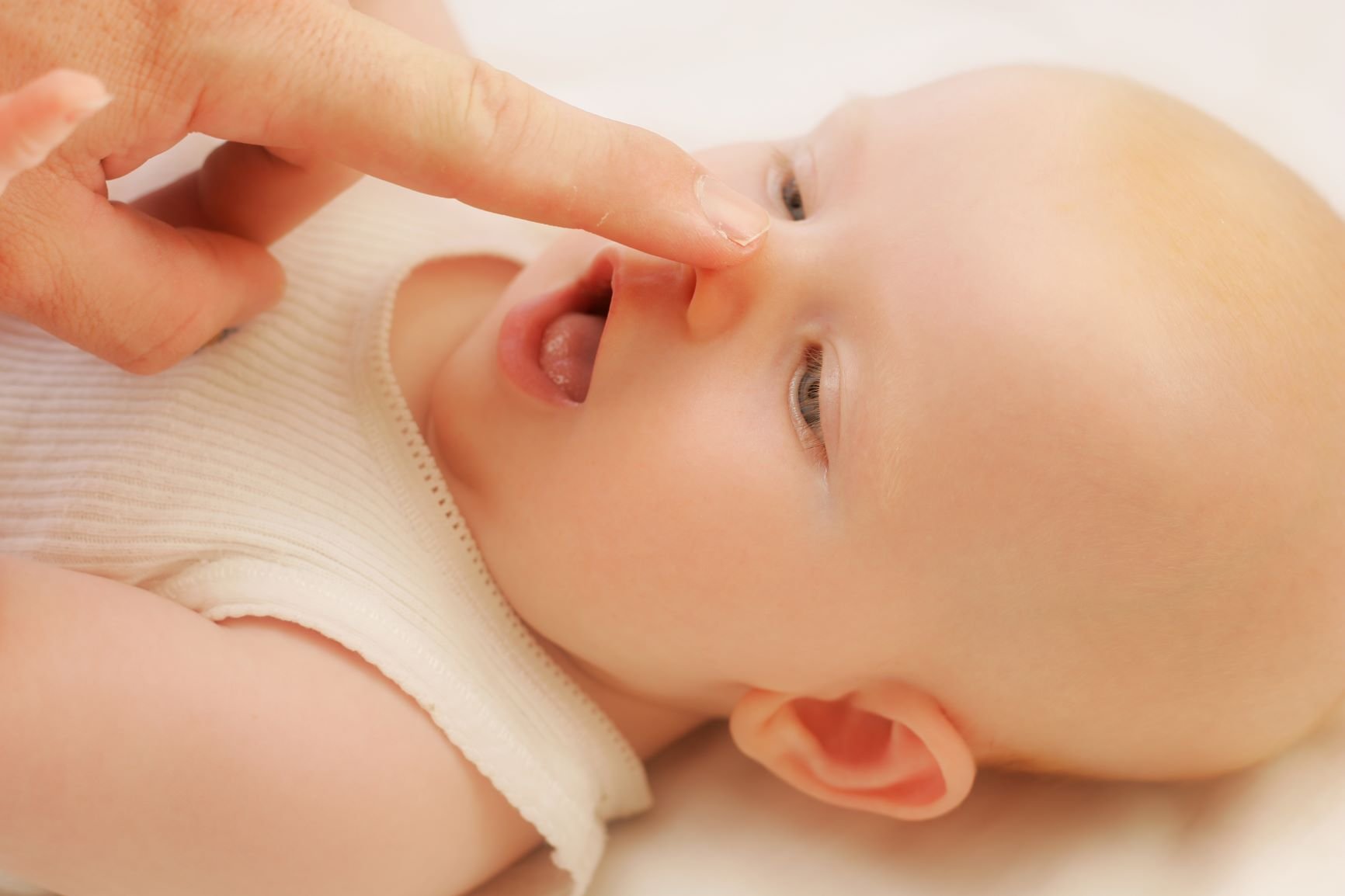
Investigating the possible contributors to childhood lung disease by studying the epithelial cells from the nose at birth.
Screen time guidelines recommend no screens under two years due to the potential negative impacts on development. While current reports suggest many children exceed this, research relies on parent reports of their children's screen exposure. We objectively assess screen exposure during the first two years and how it differs by maternal education and gender.
The idea of the '30 million word gap' suggests families from more socioeconomically advantaged backgrounds engage in more verbal interactions with their child than disadvantaged families. Initial findings from the Language in Little Ones (LiLO) study up to 12 months showed no word gap between maternal education groups.
The involvement of young people in the development, implementation and evaluation of youth mental health services, policy and research programs is essential to ensure they are appropriate and responsive to the needs of young people. Despite the increasingly central role that youth engagement and participation plays internationally, such activities are rarely described in detail.
Non-communicable diseases (NCDs) pose the greatest threat to human health globally. The dramatic rise in early onset NCDs - such as childhood obesity, the allergy epidemic and an increasing burden of mental ill health in children and youth - reflect the profound early impact of modern environments on developing systems.
The authors assessed the impact of including preschool‐aged children with a history of preterm birth, early life wheeze, asthma diagnoses and/or recent respiratory symptoms in healthy reference ranges for respiratory impedance using the forced oscillation technique (FOT).
Psychological distress in the early postpartum period can have long-lasting deleterious effects on a mother's well-being and negatively affect her infant's development. Intervention approaches based in contemplative practices such as mindfulness and loving-kindness and compassion are intended to alleviate distress and cultivate well-being and can be delivered effectively as digital mental health interventions.

A ground-breaking global clinical trial to improve the lifelong lung health of children born extremely prematurely has been awarded a Medical Research Future Fund (MRFF) International Clinical Trials Collaborations Grant totalling almost $3 million.
Rett syndrome (RTT) is a severe X-linked neurodevelopmental disorder associated with multiple neurologic impairments. Previous studies have shown challenges to the quality of life of individuals with RTT and their caregivers. However, instruments applied to quantify disease burden have not adequately captured the impact of these impairments on affected individuals and their families. Consequently, an international collaboration of stakeholders aimed at evaluating Burden of Illness in RTT was organized.
Prader-Willi syndrome (PWS) is a rare genetic condition with multi-system involvement