
Search

Dr Hayley Passmore has been named an AMP Foundation Tomorrow Maker in recognition of her efforts to better support young people in detention who have neurodisability.

Two The Kids Research Institute Australia researchers have been named as finalists in the 2020 Western Australian Premier’s Science Awards.
Trans Pathways is set to receive an update in the lead-up to the ten-year anniversary of the release of this seminal study by The Kids Research Institute Australia.
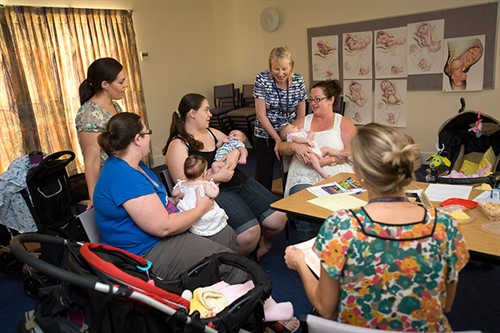
Rockingham women are being urged to take part in a program trial aimed at guiding and supporting mums-to-be through a safe and healthy pregnancy.
The construct of empowerment is associated with beneficial outcomes in numerous populations with well-being across multiple domains. Within families, empowerment has been found to be related to both parent and child well-being. As such, empowerment appears to be a promising concept to support parents of young (< 18 years) trans and gender diverse children and adolescents; however, what empowerment means for parents of trans children and adolescents is not known.
Trans adolescents experience and anticipate stigma to the detriment of their mental health; however, trans adolescents have rarely been consulted about their stigma experiences. This study aimed to understand trans adolescents’ lived experiences of experienced and anticipated stigma.
A lack of appropriate care and discrimination in healthcare settings likely compounds the existing risks to mental health and well-being for Aboriginal and Torres Strait Islander lesbian, gay, bisexual, trans, queer/questioning, and asexual (LGBTQA+) young people. The current study contributes findings from Aboriginal LGBTQA+ young people's perspectives on their health service needs and preferences.
Stigma and self-stigma reduce self-esteem and increase hopelessness and suicidality. While psychotic disorders are widely recognized as the most stigmatizing of all mental health disorders, there is a dearth of research investigating how stigma and self-stigma are experienced by young people at ultra-high risk (UHR) for psychosis.
Parents of children with attention-deficit/hyperactivity disorder (ADHD) often make disclosure decisions about their child's ADHD on their behalf. While disclosure can facilitate access to support, it risks stigma. Despite ADHD being one of the most common neurodevelopmental conditions, little is known about parent's experiences in relating information about their child's ADHD diagnosis or medication use, to others.
Perceived stigma and self-stigma negatively affect identity-related, psychological and functional outcomes among stigmatised populations. There is limited research exploring the impact of stigma among young people at ultra-high risk (UHR) for psychosis. We investigated the association of perceived stigma and self-stigma with these outcomes in young people at UHR.