
Search
According to the Young Minds Matter study, mental health disorders such as anxiety and depression are experienced by approximately one in seven or 560,000 young people in Australia. These disorders can often have a significant impact on children’s learning and development and on family life.
Stigma towards individuals with mental health concerns is a global issue, including among young people at ultra-high risk (UHR) for psychosis. This study compared two written anti-stigma resources: (a) Education and (b) Lived Experience + Education, among young adults and parents/caregivers.
Climate change is both an environmental crisis and a growing source of psychological distress for young people, calling for responses that nurture emotional resilience and collective engagement. The emerging response to climate distress has mainly focused on formal psychological and individual-level interventions.
Gender- and sexuality-diverse (GSD) youths are at increased risk of depression and anxiety compared with their cisgender and heterosexual counterparts. Little is known about the risks for younger GSD adolescents (<15 years).
Psychological prevention programmes delivered in schools may reduce symptoms of depression. However, high-quality, large-scale trials are lacking.
It is likely that young people who are both Aboriginal and Torres Strait Islander and LGBTQA+ would be at increased risk for poor mental health outcomes due to the layered impacts of discrimination they experience; however, there is very little empirical evidence focused on the mental health and wellbeing of Aboriginal and Torres Strait Islander LGBTQA+ young people. The current study represents a qualitative exploration of wellbeing among Aboriginal LGBTQA+ young people.
The aim of this study was to develop best practice guidelines for preventing suicide and reducing suicidal thoughts and behaviours in LGBTQA+ young people (lesbian, gay, bisexual, trans, queer/questioning, asexual, and those of other diverse sexualities and genders) within clinical and community service settings in Australia.
There is a dire paucity of research into the burden, correlates and motives of substance use among trans young people in Australia.
Though significant research highlights higher rates of mental ill-health and substance use among trans, non-binary and gender diverse (henceforth 'trans') young people, little research has considered patterns, contextual characteristics, and correlates of co-occurring experiences of mental ill-health and substance use among trans young people.
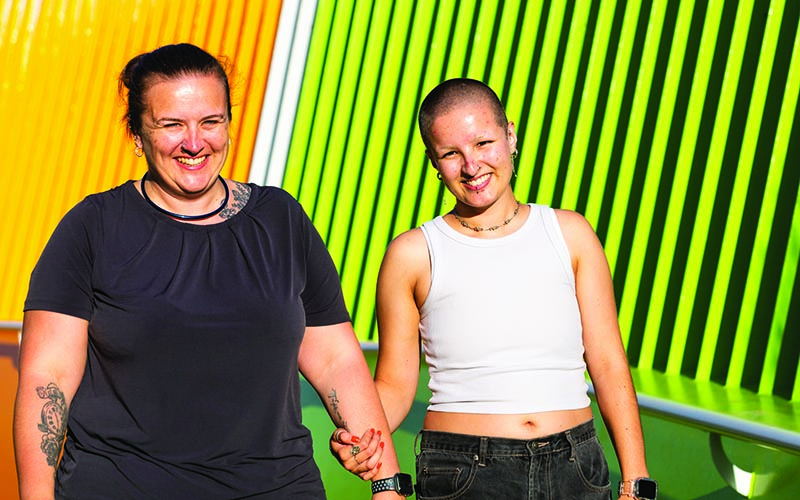
A new website for parents of trans children and young people across Australia is expected to improve family wellbeing and ultimately save lives after launching in May 2023.