
Search
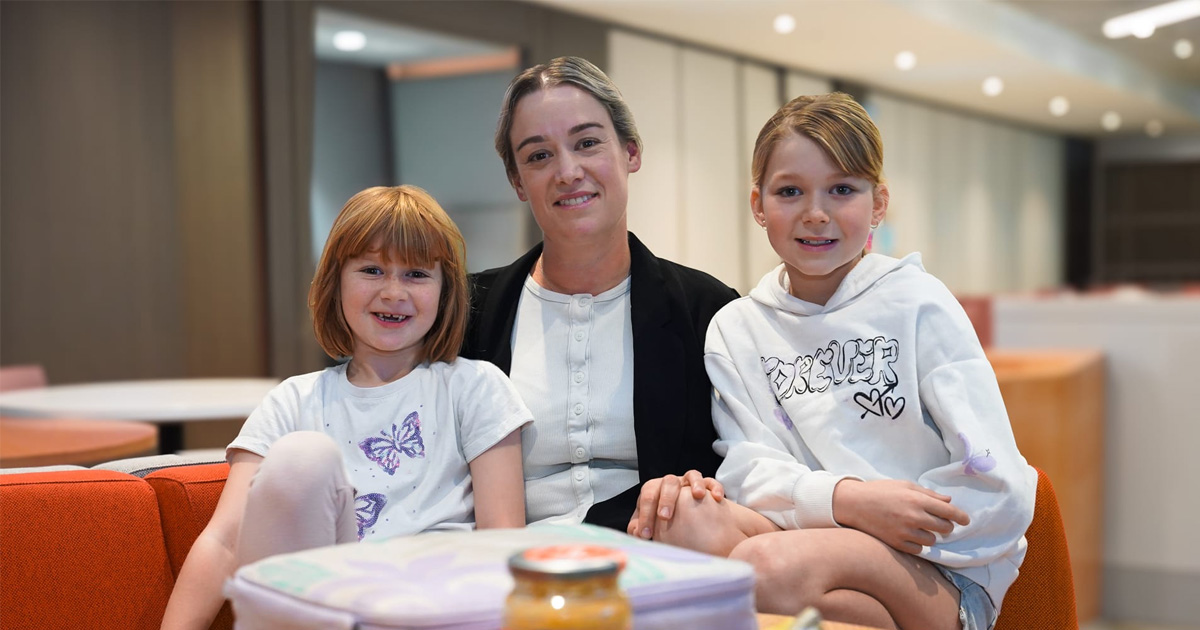
Families who introduce peanut butter and eggs to their baby’s diet at around six months of age can significantly reduce the chances of them developing a life-threatening allergy, according to a new study published in the Journal of Allergy and Clinical Immunology – In Practice.
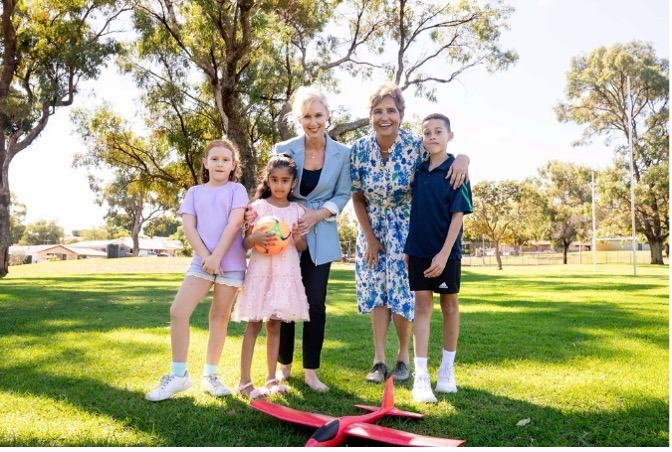
ORIGINS is celebrating a substantial funding increase for its world-class research into child and family health and wellbeing.
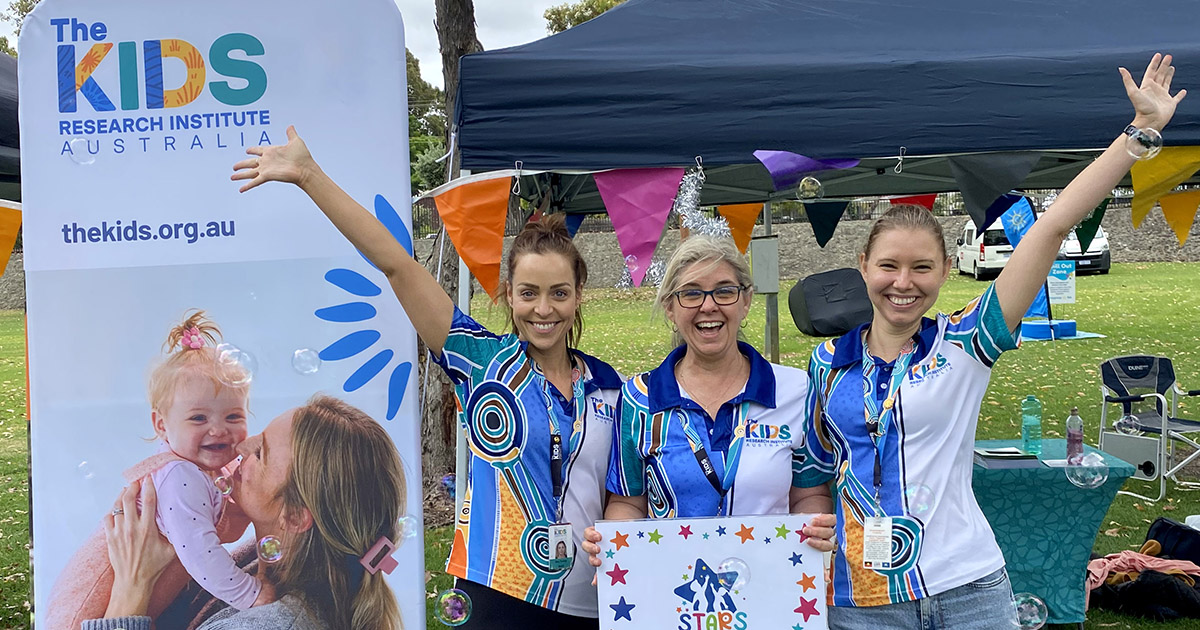
STARS for Kids, a sub-project of ORIGINS, received a three-year grant to advance the development of a scalable, online, tiered model of care to better support disadvantaged communities, where 20-25 per cent of children are entering school developmentally vulnerable.
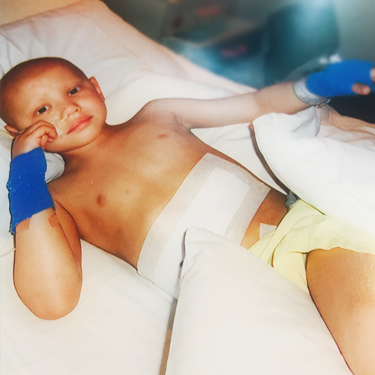
Rennae's son Samuel was diagnosed with stage 4 neuroblastoma 13 years ago, and was originally given a 20% chance of survival. She bravely shares their story.
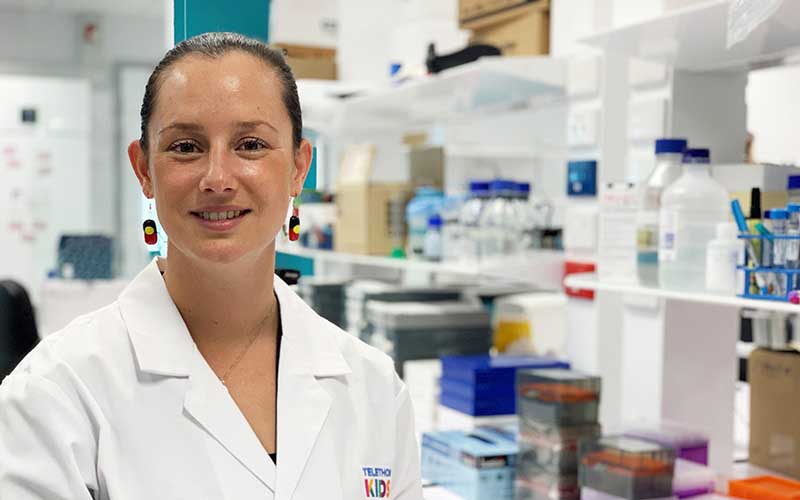
Outstanding Aboriginal researcher Jessica Buck has received a prestigious Forrest Foundation Research Fellowship to investigate innovative new therapies for children with brain cancer.
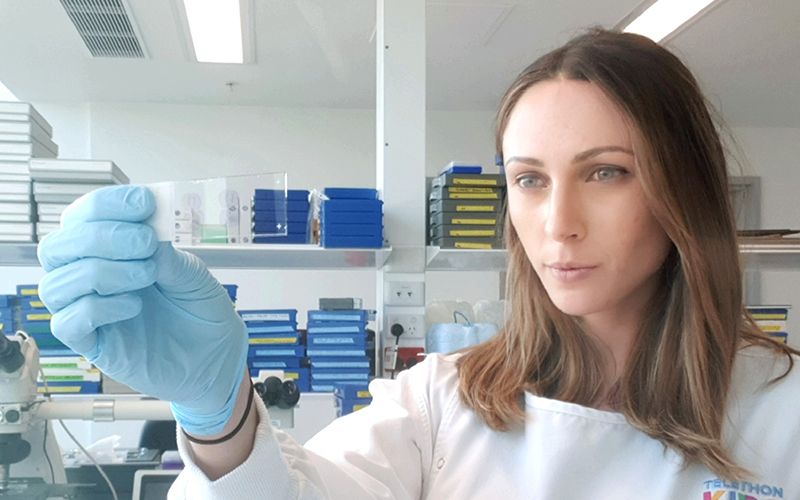
A The Kids Research Institute Australia researcher aiming to reduce the high rate of relapse in children after cancer surgery has won a prestigious post-doctoral fellowship from the Forrest Foundation.
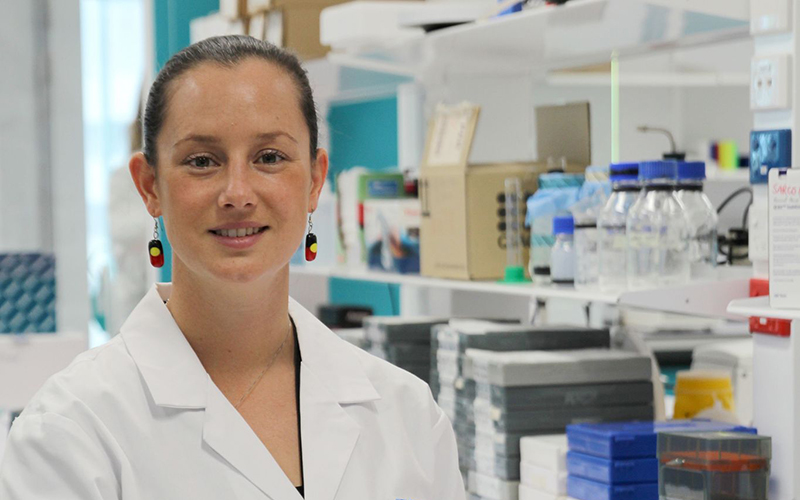
The Kids Research Institute Australia brain cancer researcher, Dr Jessica Buck will today join the ranks of a select group of brilliant female scientists.
The immunological mechanisms that contribute to multiple sclerosis (MS) differ between males and females. Females are 2-3 times more likely to develop MS compared to males, however the reason for this discrepancy is unknown. Once MS is established, there is a more inflammatory yet milder form of disease in females whereas males generally suffer from more severe disease and faster progression, neural degradation, and disability.
Pediatric surgery cases are increasing worldwide. Within pediatric anesthesia, perioperative respiratory adverse events are the most common precipitant leading to serious complications.
A balanced approach toward sun exposure and protection is needed by young people. Excessive sun exposure increases their risk for skin cancers such as melanoma, whereas some exposure is necessary for vitamin D and healthy bones. We have developed a new iOS smartphone app-Sun Safe-through a co-design process, which aims to support healthy and balanced decision-making by young teenagers (aged 12-13 years).