
Search
Early in the coronavirus disease 2019 (COVID-19) pandemic, evidence emerged that individuals with chronic and immunocompromising conditions faced increased risk of severe infection, including death. The Australian Government and public health authorities prioritised these citizens' access to vaccines, including them in phase 1b of the rollout from 22 March 2021.
Management and outcomes of children hospitalised with acute SARS-CoV-2 infection may differ throughout the pandemic or with admission type (clinical COVID-19, incidental COVID-19 or nosocomial infection).
Our interdisciplinary team initiated a project to inform the COVID-19 vaccination programme. We developed a novel research co-creation approach to share emerging findings with government.
PICOBOO is a randomised, adaptive trial evaluating the immunogenicity and reactogenicity of licensed COVID-19 booster vaccines in immunocompetent individuals >12 years old. Here, we present data for seven different vaccines among three pre-specified participant strata defined by age and primary vaccine schedule.
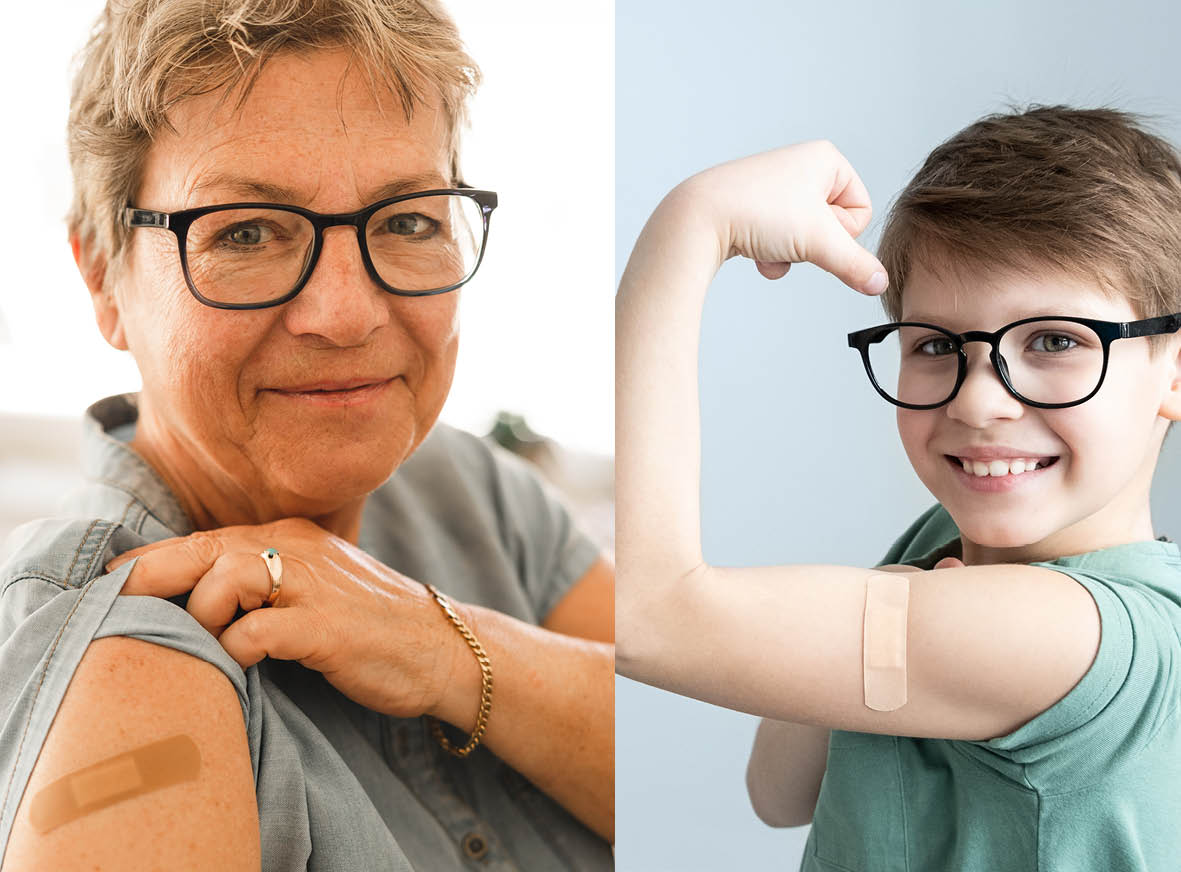
Optimising our national Covid-19 vaccine program could be one step closer thanks to new research now underway at The Kids Research Institute Australia investigating the most effective, long-term strategies for booster vaccinations.

Many parents may be feeling anxious and confused about what COVID-19 means for pregnant women, babies and children.
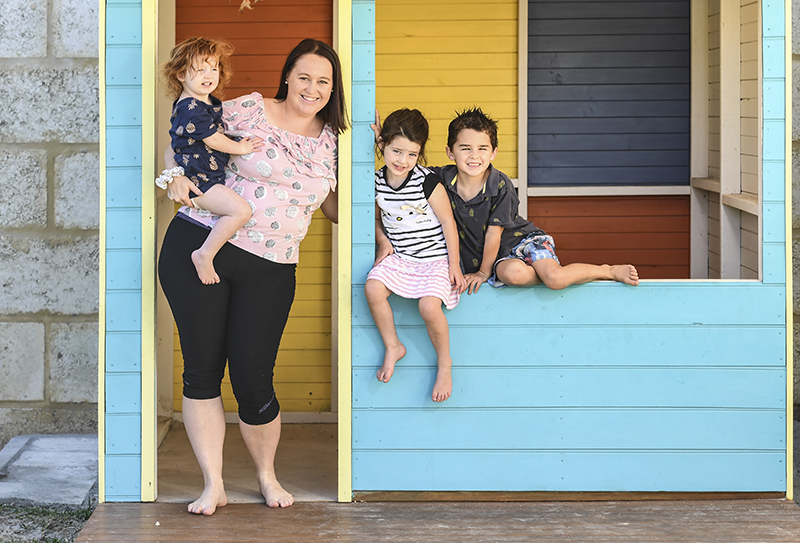
In an Australian-first study, researchers at The Kids Research Institute Australia are investigating the effects of COVID-19 on the wellbeing of more than 2,000 families in the northern suburbs of Perth, measuring their perceived stress, financial hardship and family functioning during the pandemic.
This study examines gender and socioeconomic inequalities in parental psychological wellbeing (parenting stress and psychological distress) during the COVID-19 pandemic in Germany. Background: The dramatic shift of childcare and schooling responsibility from formal institutions to private households during the pandemic has put families under enormous stress and raised concerns about caregivers’ health and wellbeing.
Both vector and mRNA vaccines were an important part of the response to the COVID-19 pandemic and may be required in future outbreaks and pandemics. The aim of this study was to validate whether immunogenicity differs for adenoviral vectored (AdV) versus mRNA vaccines against SARS-CoV-2, and to investigate how anti-vector immunity and B cell dynamics modulate immunogenicity.
We evaluated the frequency of moderate and severe adverse events following coadministration of seasonal influenza vaccine (SIV) versus placebo with COVID-19 vaccines among adults to support practice guidelines.