
Search
Showing results for " https://www.galaxus.ch/en/sector/showdiscussion/snaphack-iphone-visit-kunghaccom-nssr1r3i-224165"
The Language in Little Ones (LiLO) study is a five-year longitudinal study (2017-2021), funded through the National Health and Medical Research Council. The study investigates the quantity and quality of language exposure in the home environment during the first five years of a child’s life.
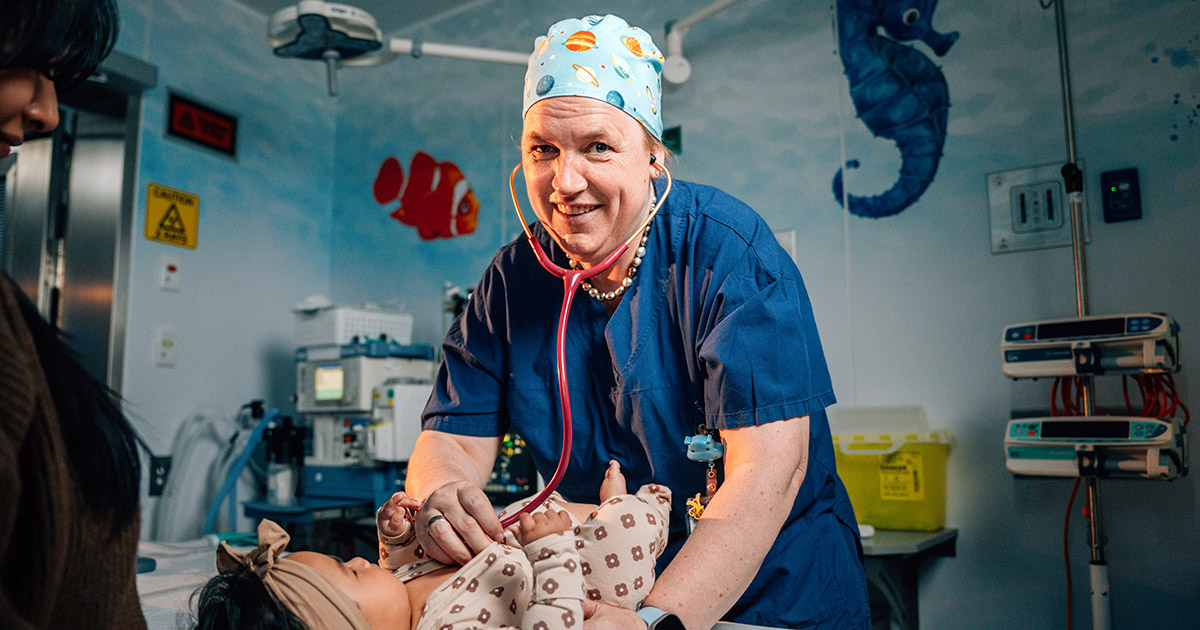
Congratulations to Professor Britta Regli-von Ungern-Sternberg, who was today recognised as one of Australia’s rising leaders in health and medical sciences upon being awarded the Australian Academy of Health and Medical Sciences 2025 Jian Zou Medal.
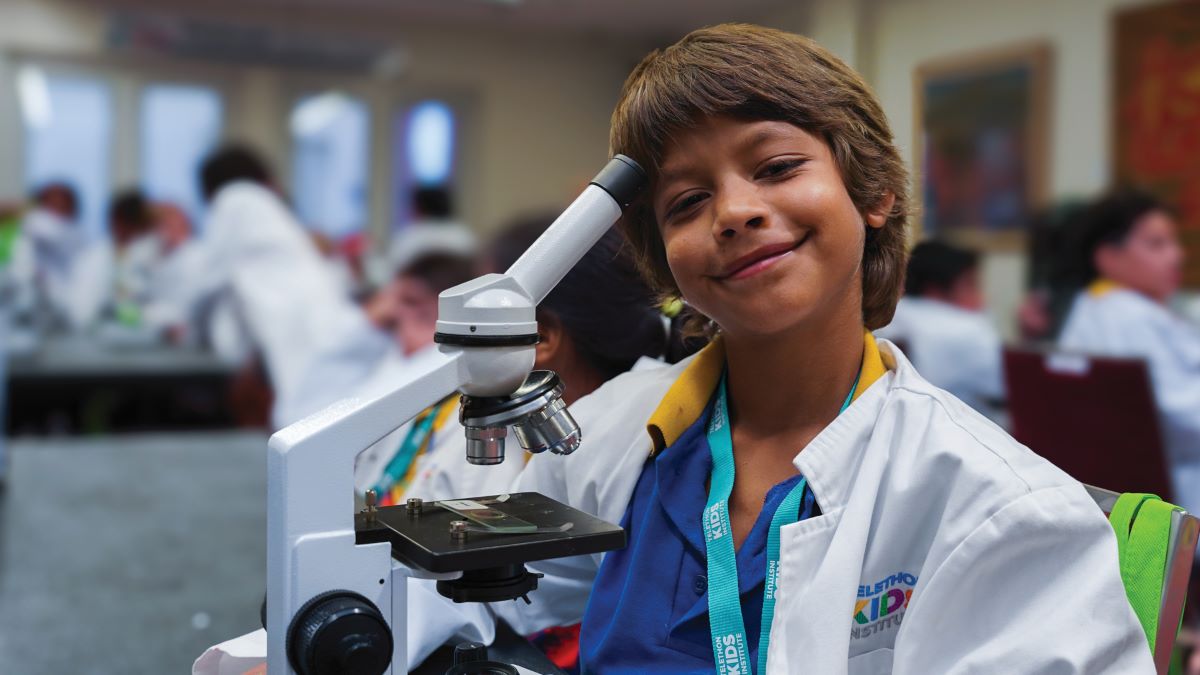
The Kids Research Institute Australia will return to the Kimberley in May for the Broome STEM Festival, promising two fun-filled days of hands-on science activities for local families to experience.
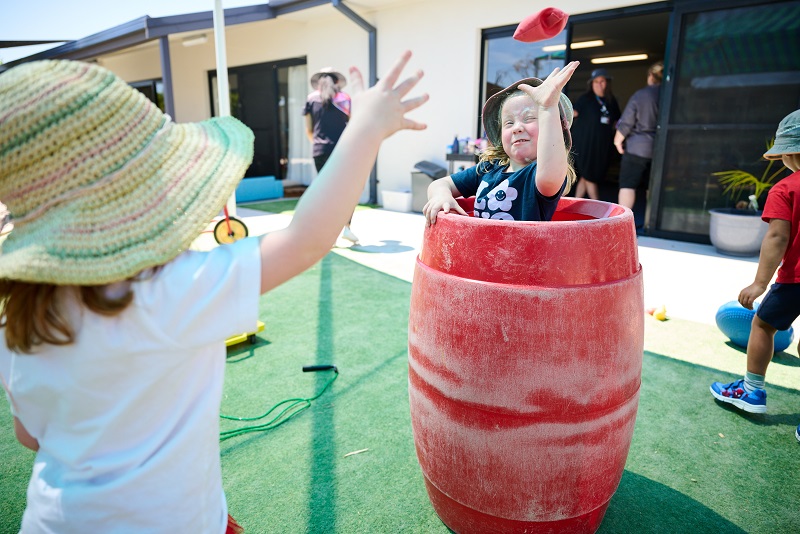
Our Child Physical Activity, Health and Development team focuses on improving children’s physical activity levels, health and development. We work to uncover the best environments, policies and programs to facilitate physically active lifestyles for lifelong health and wellbeing.
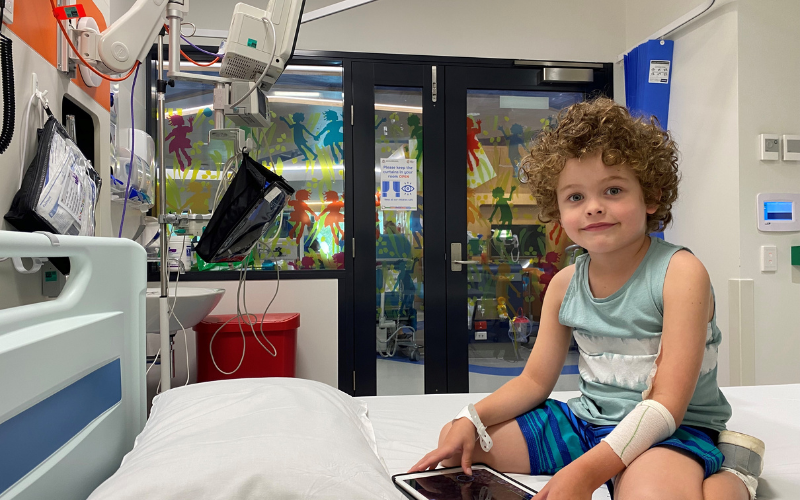
Access to phage therapy, a treatment option for antibiotic resistant superbugs, is now one step closer for people with CF in WA thanks to a $500,000 donation from Conquer Cystic Fibrosis to the Wal-yan Respiratory Research Centre.
The Healing Kids, Healing Families team strives to understand how trauma and adverse circumstances can impact a child and their family, and how we can help them to recover from these experiences.
Globally, Indigenous populations have been disproportionately impacted by pandemics. In Australia, though national infection rates with COVID-19 infections in Aboriginal and/or Torres Strait Islander people were lower in the first 12 months of the COVID-19 pandemic, there was soon a greater burden in Aboriginal and/or Torres Strait Island people once Omicron was circulating. Uptake of the COVID-19 vaccine was also lower among Aboriginal and/or Torres Strait Islander people.
Children in out-of-home care participate in less organised sport than children from other household structures, potentially reducing opportunities for improvements in social, developmental, and health outcomes. Despite this, little is known about barriers and facilitators of sport participation for children in care. We aimed to explore carers' perspectives on the influences on children in care's participation and experiences in organised sport.
Participation in sport is associated with a range of physical, psychological, and social benefits. However, children in out-of-home care face complex barriers to sport participation, with lower participation rates than children in other household arrangements.
Daily physical activity is critical during the early years of life for facilitating children's health and development. A large proportion of preschool children do not achieve the recommended 3 h of daily physical activity. Early childhood education and care (ECEC) services are a key setting to intervene to increase physical activity. There is a significant need for ECEC specific physical activity policy, including clearer guidelines on the amount of physical activity children should do during care, and strategies for implementation of these guidelines.