
Search
Showing results for "early life"

Parental factors influencing child digital technology use in the early years.
CDKL5 Deficiency Disorder (CDD) is a rare genetic disorder with symptoms of epilepsy, developmental impairments, and other comorbidities. Currently, there are no outcome measures for CDD with comprehensive evidence of validation. This study aimed to evaluate the psychometric properties of the Quality of Life Inventory-Disability (QI-Disability) in CDD. Quality of Life Inventory-Disability was administered to 152 parent caregivers registered with the International CDKL5 Disorder Database (ICDD).
Senior Research Fellow

Structural determinants of long term functional outcomes in young children with cystic fibrosis BACKGROUND: Accelerated lung function decline in
Opportunity to join the Autism Research Team as a Senior Research Officer
An exciting postdoctoral fellowship opportunity for researchers with interest in identification and early intervention for children with autism.
The EQ-5D-5L is a generic health utility instrument for measuring health-related quality of life (HRQoL), with self-report and proxy report versions for children (EQ-5D-Y-5L). Children with intellectual disability (ID) are a heterogeneous population whose impairments and comorbidities place them at risk of poor HRQoL. This study aimed to describe the content validity and suitability for children with ID of a proxy report version of the EQ-5D-Y-5L as seen by their caregivers.
Children with Developmental Coordination Disorder (DCD) often have difficulties running.
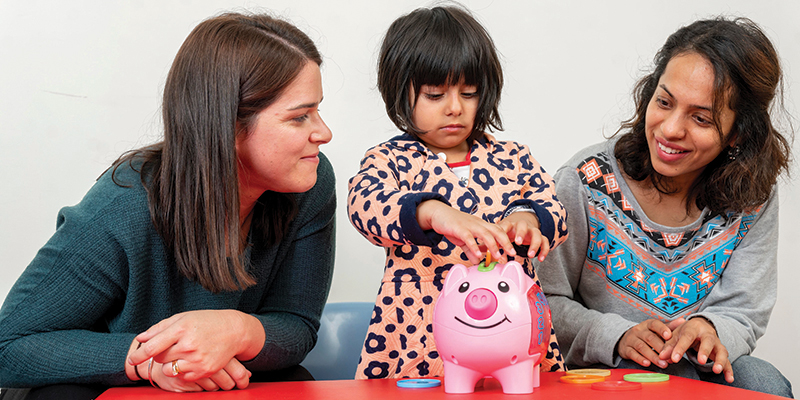
A unique new model developed by the The Kids autism research team marries cutting-edge research with clinical practice to offer families innovative, evidence-based interventions designed to help kids reach their full potential.
A world-leading cystic fibrosis research program, based at The Kids Research Institute Australia, is a finalist in the 2015 Australian Museum Eureka Prizes.