
Search
This was a five year grant from the NHMRC to build research capacity in ten Aboriginal researchers
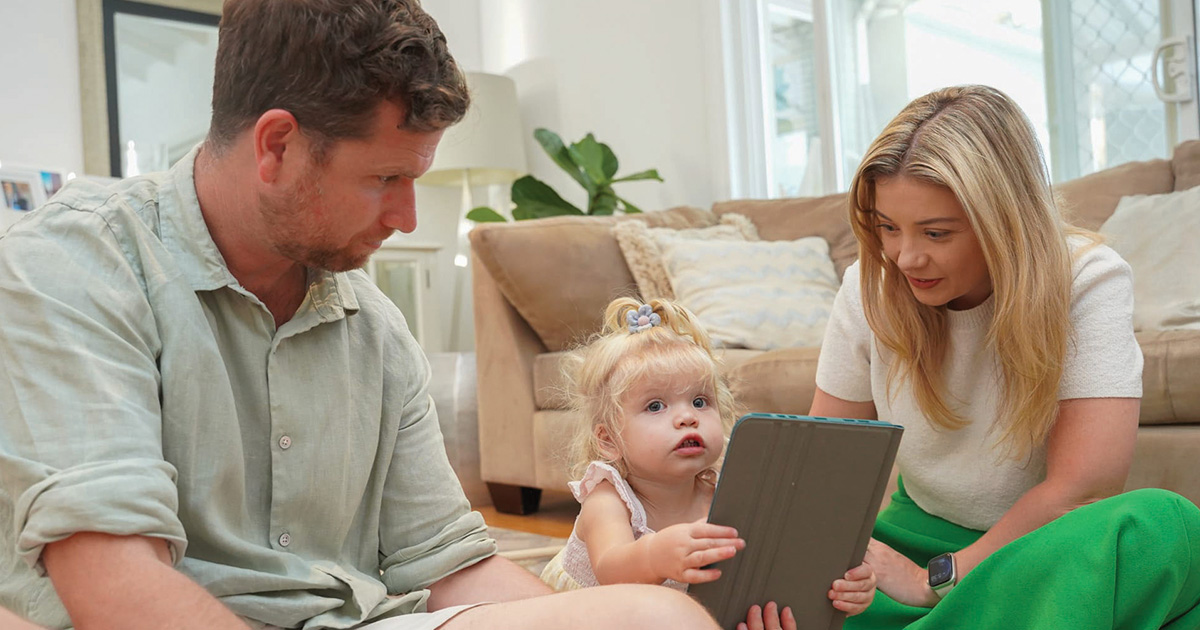
Toddlers exposed to screen time at home are hearing fewer words and making fewer vocalisations, findings from the first longitudinal study to measure the relationship between family screen use and children’s language development have shown.
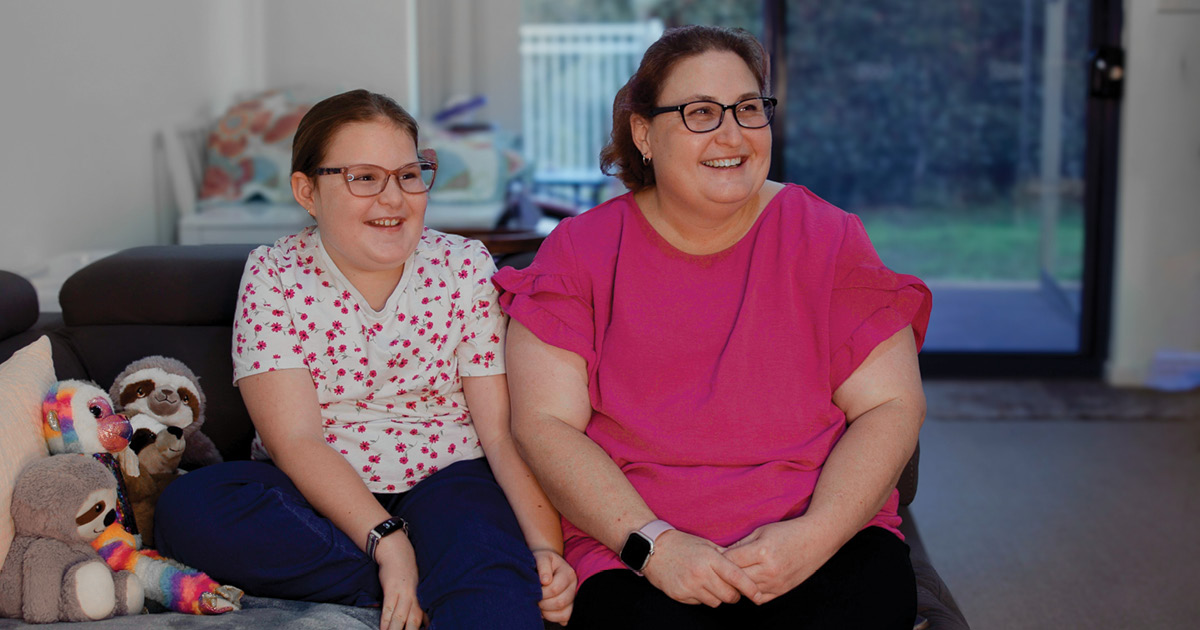
Helping children build resilience and cope with the trauma associated with medical emergencies and chronic health conditions is the focus of a promising pilot program being undertaken by The Kids Research Institute Australia.
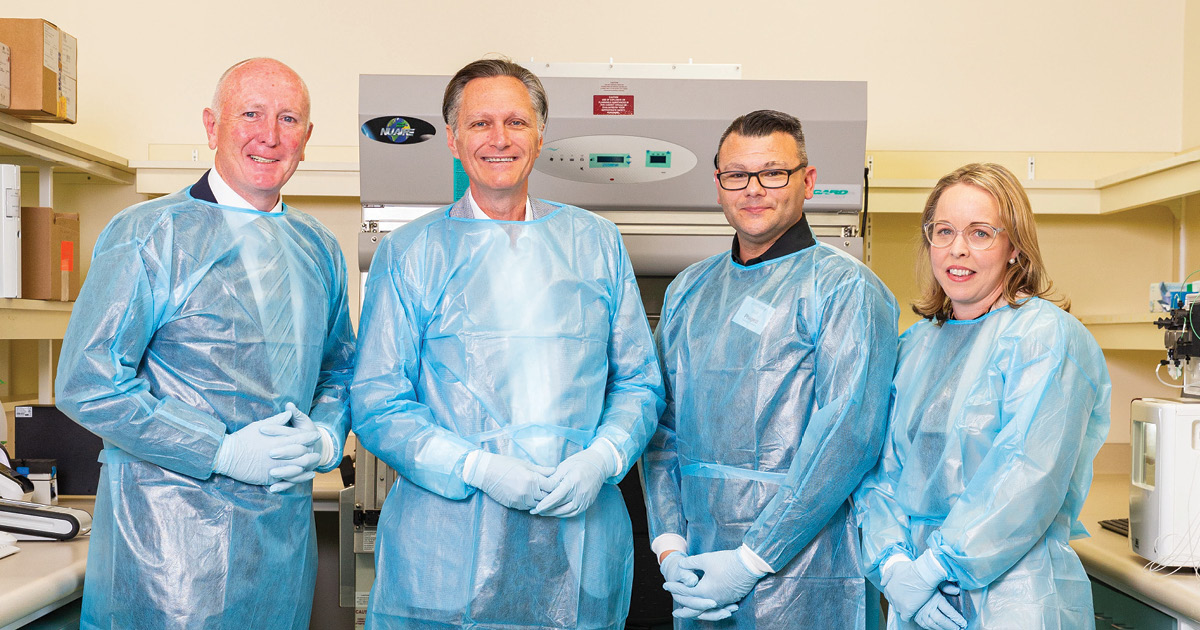
Western Australia’s first bacteriophage manufacturing facility has been opened in a significant development that brings patients battling antibiotic-resistant infections a step closer to life-saving phage therapy.
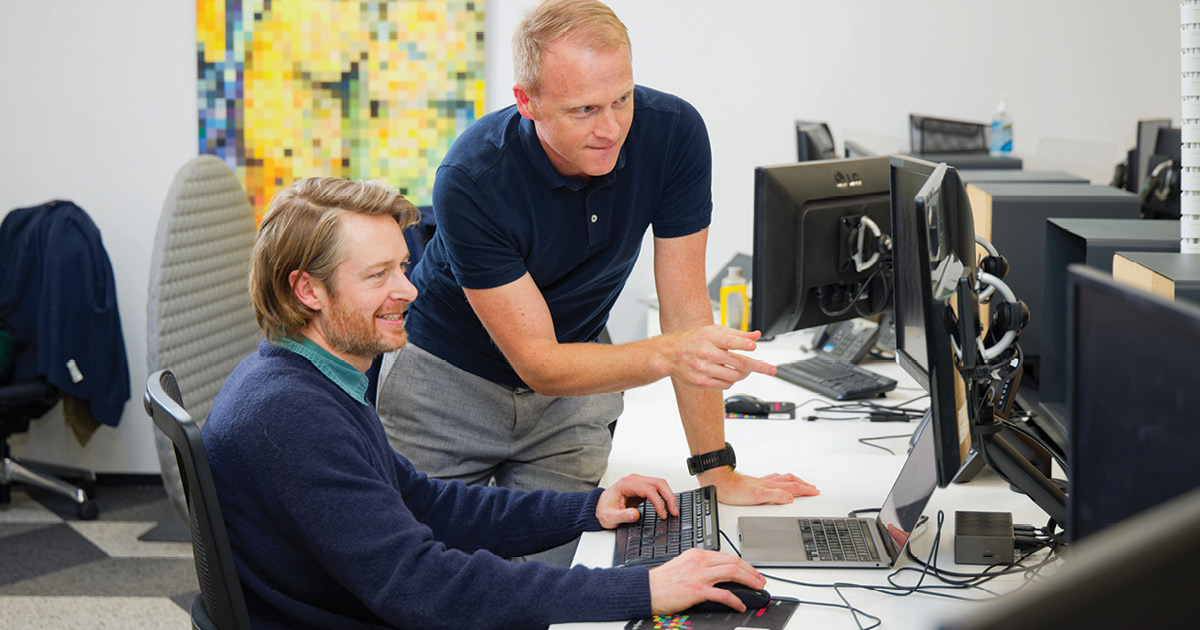
Nearly 170 years ago a British doctor applied geospatial mapping to identify the source of a cholera outbreak in central London.
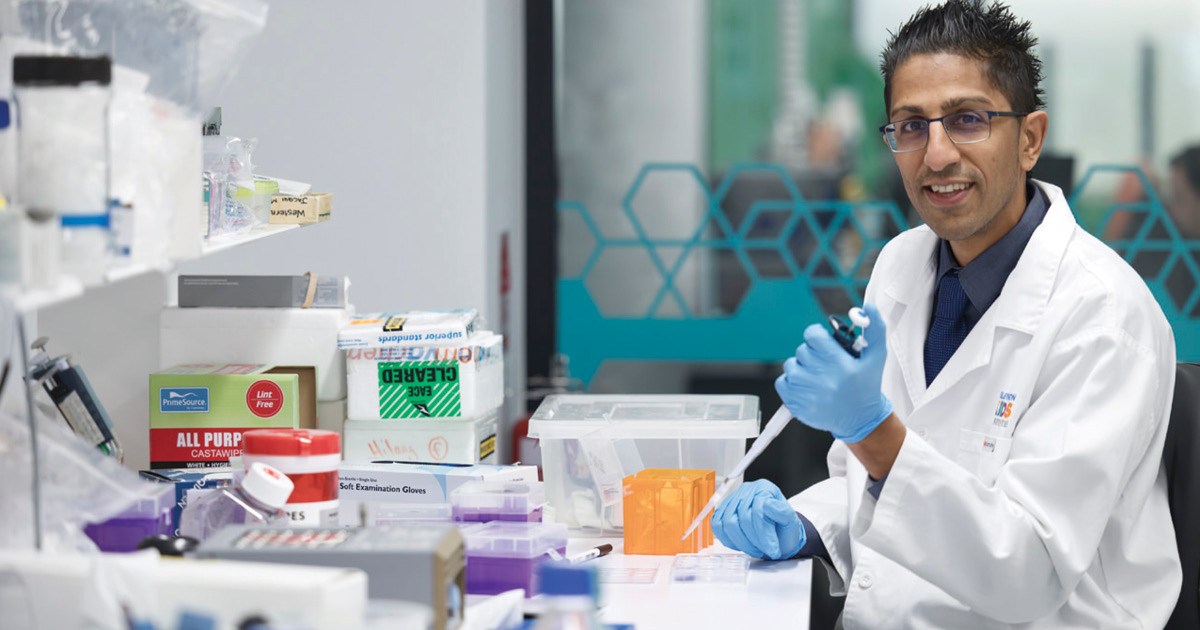
A pilot clinical study has found an immunotherapy drug can dramatically increase survival rates for babies with a rare form of leukaemia, paving the way for a major international clinical trial.
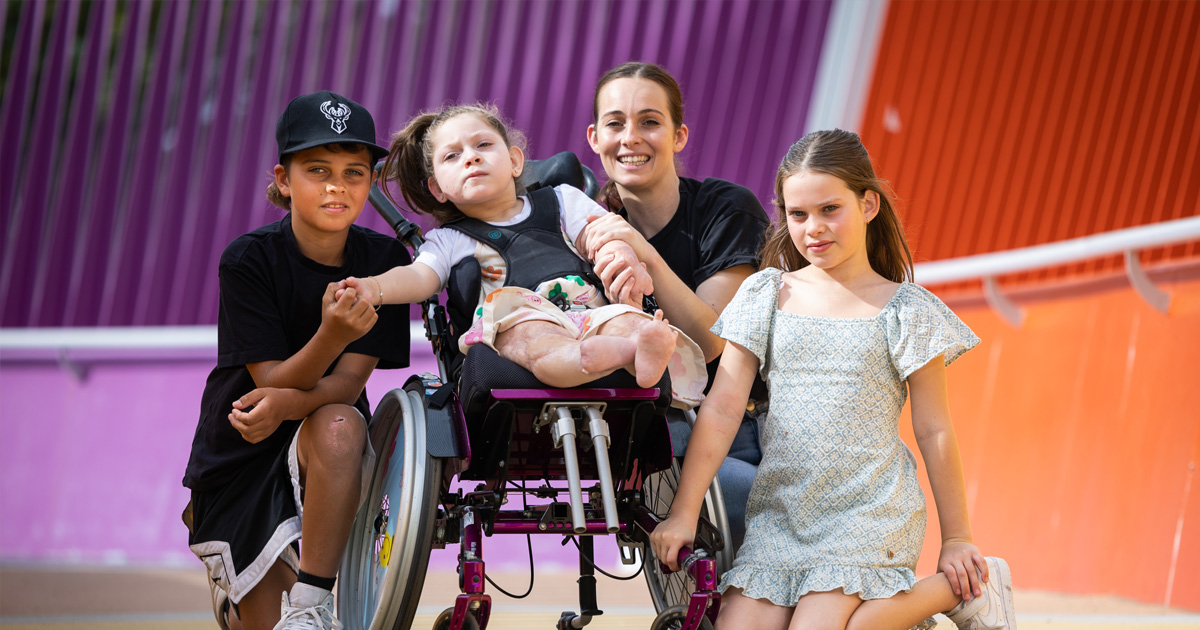
At just six months old, Tahlea Dalgety was flown from Geraldton to Perth with a slim chance of survival after contracting meningococcal disease.
The MINERvA Network will allow more accurate and precise determination of the contributions of familial and environmental factors to the etiology of autism.

Professor Jonathan Carapetis has made eliminating rheumatic heart disease his life’s work.

A new rapid research funding model is translating into quick results.