
Search
Our maps provide visual insight into how the number and rate of Indigenous suicides can vary across the different regions of Australia.
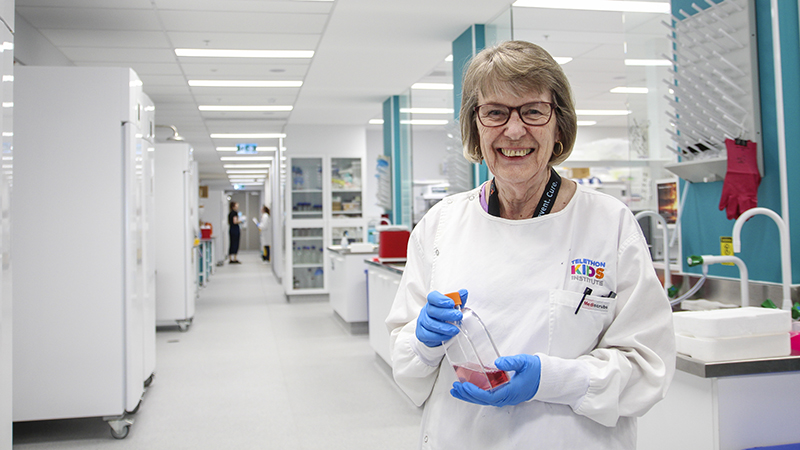
The Institute farewelled one of its most treasured employees this year, as The Kids Cancer Centre research officer Jette Ford closed the door on a quietly stellar 37-year career which has helped to change the face of cancer research in WA and around the world.
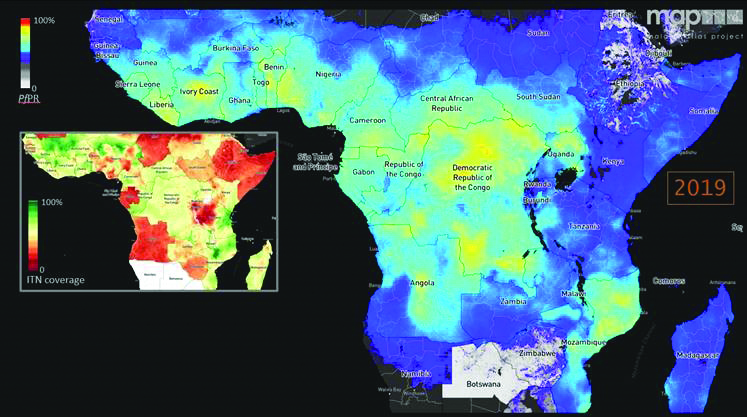
A global network of researchers led by Kerry M Stokes Chair of Child Health, Professor Pete Gething, is working to help support informed decision-making for malaria control at international, regional and national scales.
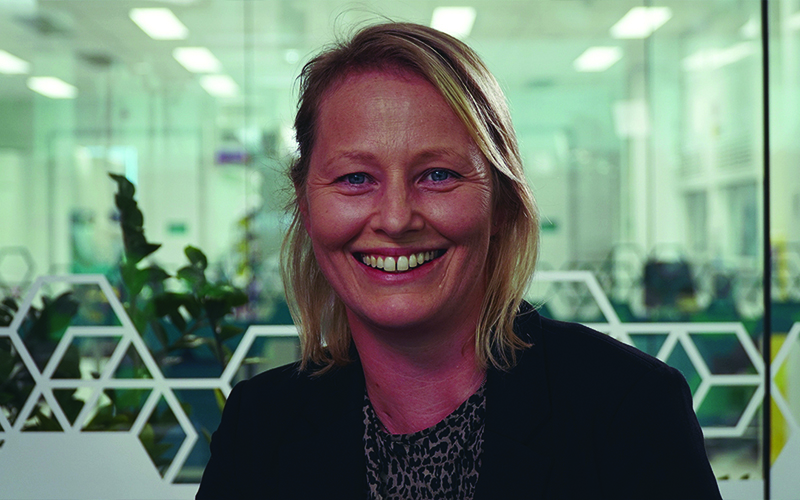
The world’s leading preterm scientists and doctors have joined forces to help give babies born very prematurely, the best possible life.
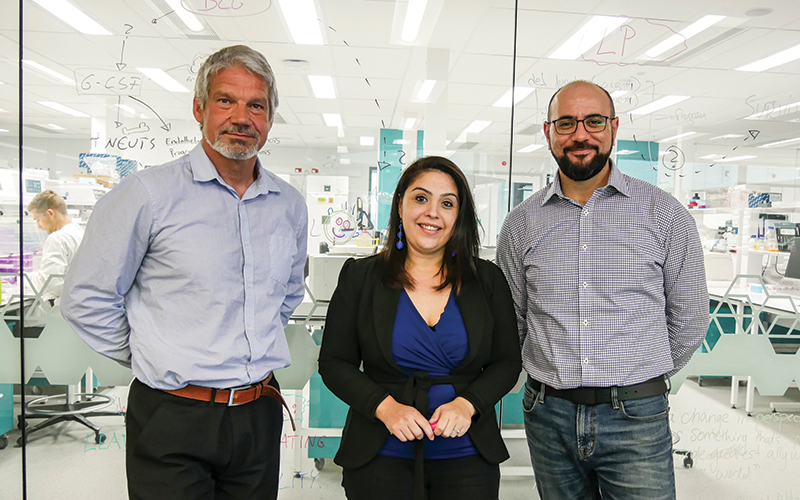
Running any research project is a feat of logistical gymnastics – and often, you don’t know what can go wrong until it happens.
In early 2021, The Kids Research Institute Australia researcher Dr Amy Finlay-Jones led a global team in trying to answer that question to help better prioritise mental health spending.
One in eight children have asthma, a chronic disease of the airways in the lungs. It results in shortness of breath, chest tightness, wheezing and coughing.
Bronchiolitis is a respiratory infection, usually occurring in babies under six months of age. It causes them to wheeze and can lead to pneumonia. Researchers are focusing on vaccines against the virus which commonly causes it.
In 2006, when a Japanese scientist building on the earlier work of a British biologist discovered a way to reprogram adult cells into other cell types – making them ‘pluripotent’ – the scientific world was entranced.
A small group program to help parents tackle anxiety in young children diagnosed with autism has found significant improvements in both children’s anxiety and parental mental health and wellbeing.