
Search

Sports coaches across Australia can now access WA-designed sport resources, which aim to help coaches better understand type 1 diabetes (T1D) and encourage children living with the condition to stay in sport.
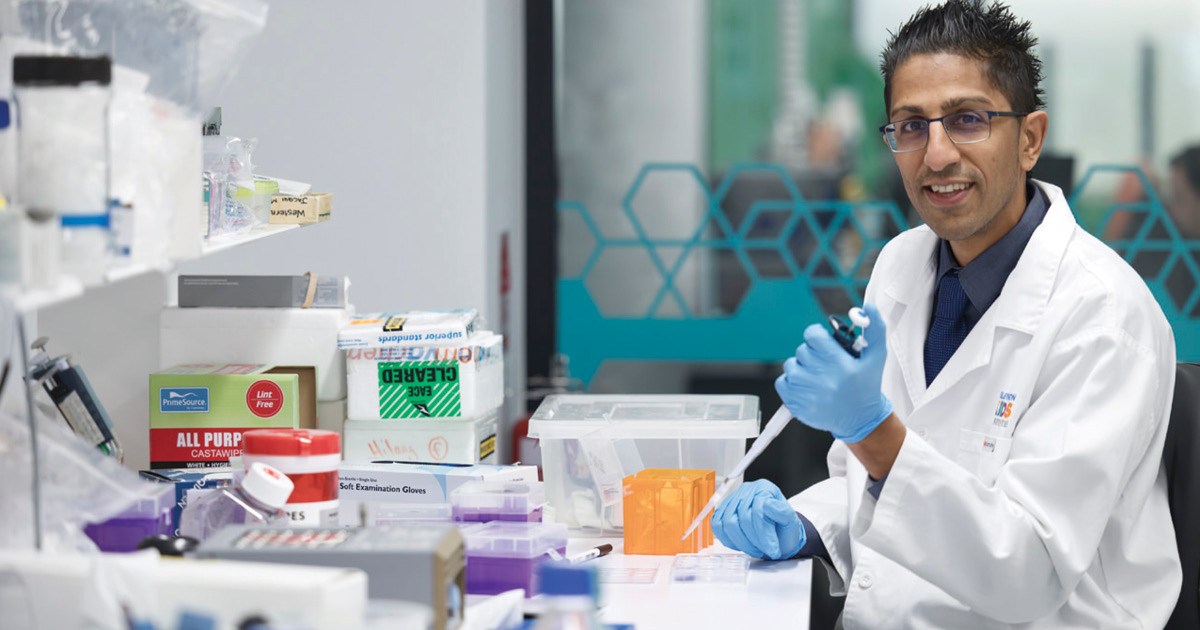
A pilot clinical study has found an immunotherapy drug can dramatically increase survival rates for babies with a rare form of leukaemia, paving the way for a major international clinical trial.
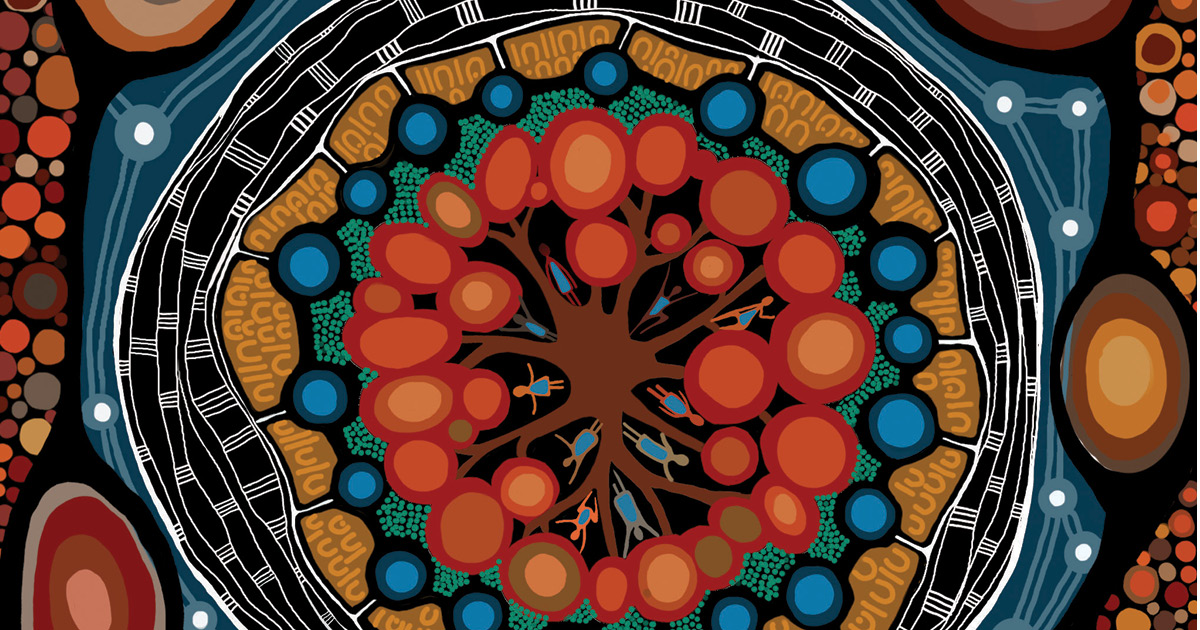
Life imitates art in a new project that seeks to entrench cultural safety for young Aboriginal and Torres Strait Islander people into WA’s mental health system.

Imagine living with a condition that requires you to make approximately 180 health- related decisions every day for the rest of your life.
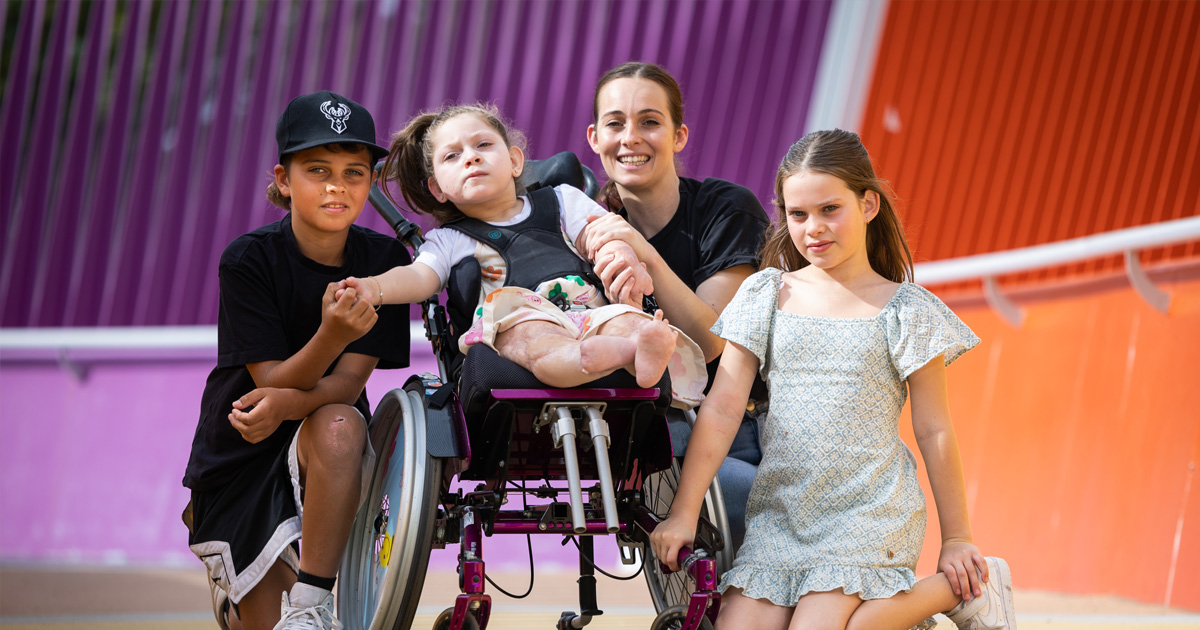
At just six months old, Tahlea Dalgety was flown from Geraldton to Perth with a slim chance of survival after contracting meningococcal disease.
To assess the implementation of the digital version of the Physical Literacy in Children Questionnaire (PL-C Quest) in a primary school environment.
To describe the birth prevalence and characterise the genotype, phenotype and management of children with congenital hyperinsulinism (CHI) in Western Australia (WA).
Conversion practices (sometimes referred to as 'conversion therapy') refer to interventions that aim to change a person's sexual orientation or gender identity. While these are often associated with faith-based settings, they can also occur in secular healthcare contexts. The practices are associated with significant psychological harm.