
Search
Showing results for "early life"
Pat Peter Susan Tom Jennifer Holt Richmond Prescott Snelling Kent PhD, DSc, FRCPath, FRCPI, FAA MBBS MRCP(UK) FRACP MBBS BMedSci PhD FRACP BMBS DTMH
Urine is an attractive biospecimen for nutritional status and population health surveys. It is an excellent non-invasive alternative to blood for appropriate biomarkers in young children and is suitable for home-based collection, enabling representative collections across a population. However, the bulk of literature in this population is restricted to collection in primary care settings.

Parental factors influencing child digital technology use in the early years.

Autism researchers at the The Kids Research Institute Australia have found the first evidence that therapy in infancy can reduce the likelihood of a clinical autism diagnosis in early childhood.

Discover the EYI Research Profile at The Kids' Institute, showcasing innovative child health research and its impact on young lives.
Opportunity to join the Autism Research Team as a Senior Research Officer
An exciting postdoctoral fellowship opportunity for researchers with interest in identification and early intervention for children with autism.
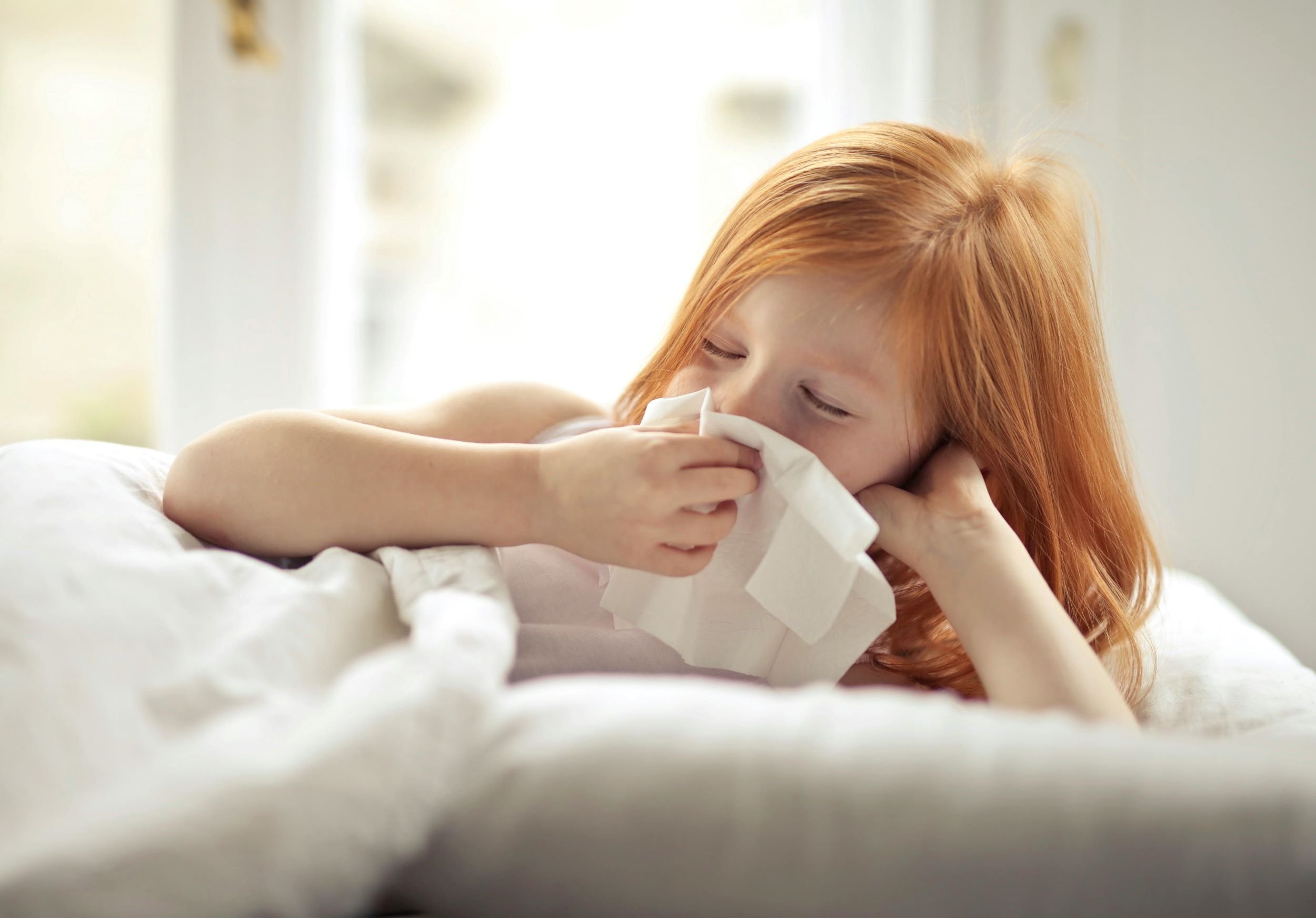
Examining whether consuming prebiotic fibre in pregnancy reduces the risk of developing allergic disease in the first three years of life.
Immunomodulatory proteins in human milk (HM) can shape infant immune development. However, strategies to modulate their levels are currently unknown. This study investigated whether maternal prebiotic supplementation alters the levels of immunomodulatory proteins in HM.
Little is known about how sun exposure may affect the maternal skin barrier during pregnancy when many hormonal and physiological changes occur. In this longitudinal observational study, 50 pregnant women were recruited at 18-24 weeks' gestation, 25 in summer-autumn, and 25 in winter-spring. At three time points in pregnancy at 18-24, 28-30, and 36-38 weeks' gestation, participants completed a validated sun exposure questionnaire and had skin permeability and surface pH measured on the volar forearm.