
Search
Showing results for "early life"

Findings from The Kids Research Institute Australia’s ‘Ear Explorers’ real-life research project undertaken as part of the 2019 Telethon weekend, found short videos were more helpful than photos when making a diagnosis.
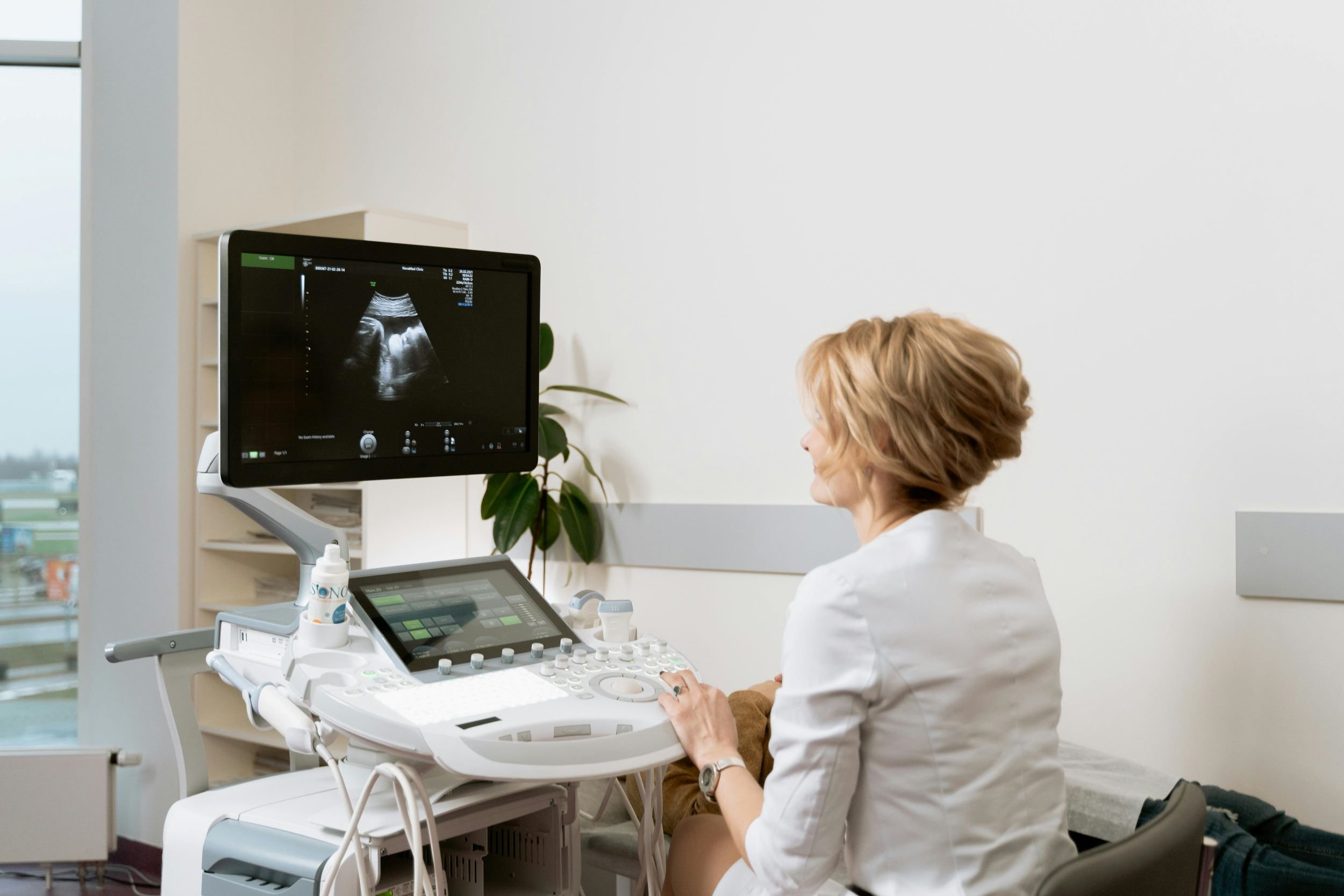
This study is investigating whether a machine learning based approach can be used to improve fetal brain anatomy measurement for learning development studies.

This project examines the impact of perinatal dissociation and birth trauma on mothers' and infants' wellbeing during the first two years of life.

Examining whether consuming prebiotic fibre in pregnancy reduces the risk of developing allergic disease in the first three years of life.
Little is known about how sun exposure may affect the maternal skin barrier during pregnancy when many hormonal and physiological changes occur. In this longitudinal observational study, 50 pregnant women were recruited at 18-24 weeks' gestation, 25 in summer-autumn, and 25 in winter-spring. At three time points in pregnancy at 18-24, 28-30, and 36-38 weeks' gestation, participants completed a validated sun exposure questionnaire and had skin permeability and surface pH measured on the volar forearm.
This review focuses on smokers and nonsmokers and evaluates the most recent data regarding the potential health effects of e-cigarettes
HIV exposure is associated with altered lung function in early life, with a vulnerable HIV-exposed uninfected subgroup based on maternal disease severity
There was a positive relationship between the thickness of the airway smooth muscle layer with airway responsiveness, which was shifted upward in the presence of allergy
For most individuals, there is initial developmental progress followed by regression at around 6–30 months. The classic signs of RTT then become apparent.
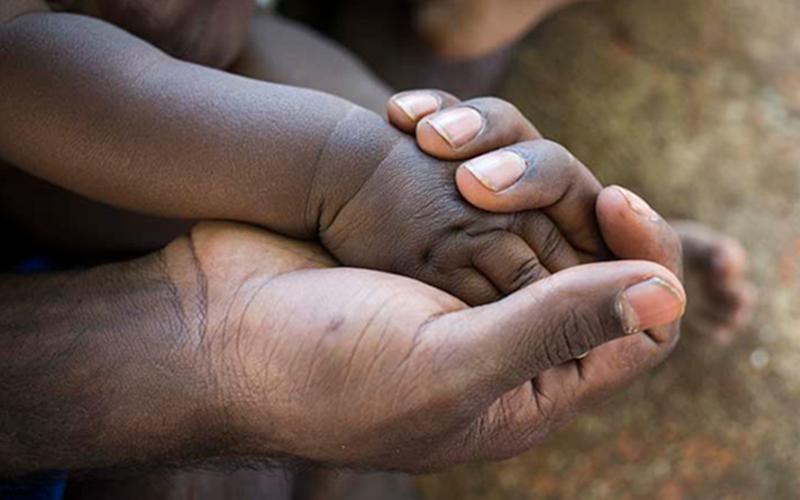
Experts are warning Aboriginal parents in Western Australia with newborn babies to be vigilant about Respiratory Syncytial Virus (RSV) as winter progresses.