
Search

Three hundred and fifty million people live with an undiagnosed disease worldwide and three quarters of them are children.
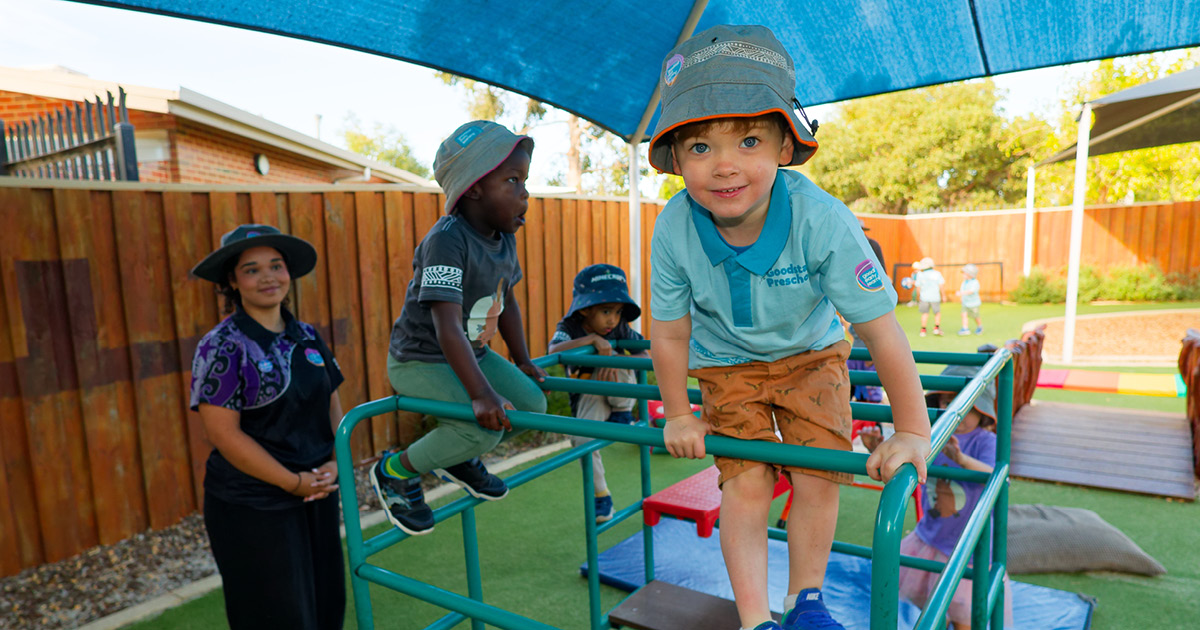
More than 80,000 Australian children are expected to benefit from a trial being rolled out to 700 childcare centres across the country that aims to boost declining physical activity levels.
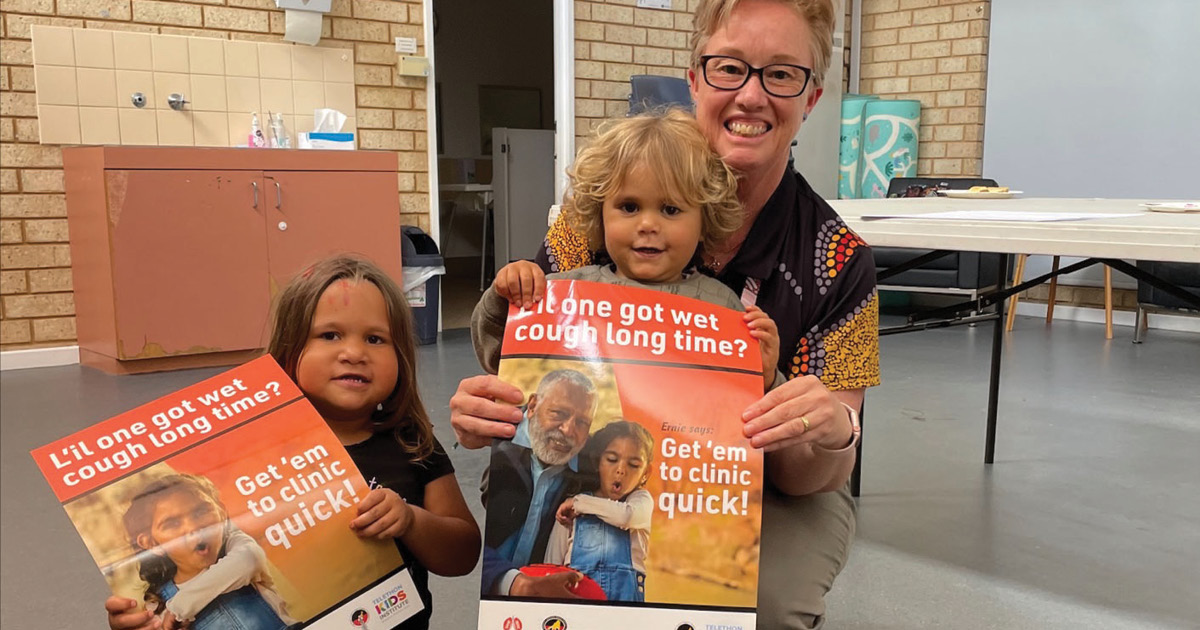
A program aimed at raising awareness of the dangers of a chronic wet cough in Aboriginal children has been extended to 14 remote and regional towns in Western Australia - thanks to a partnership between The Kids Research Institute Australia and Cystic Fibrosis WA.
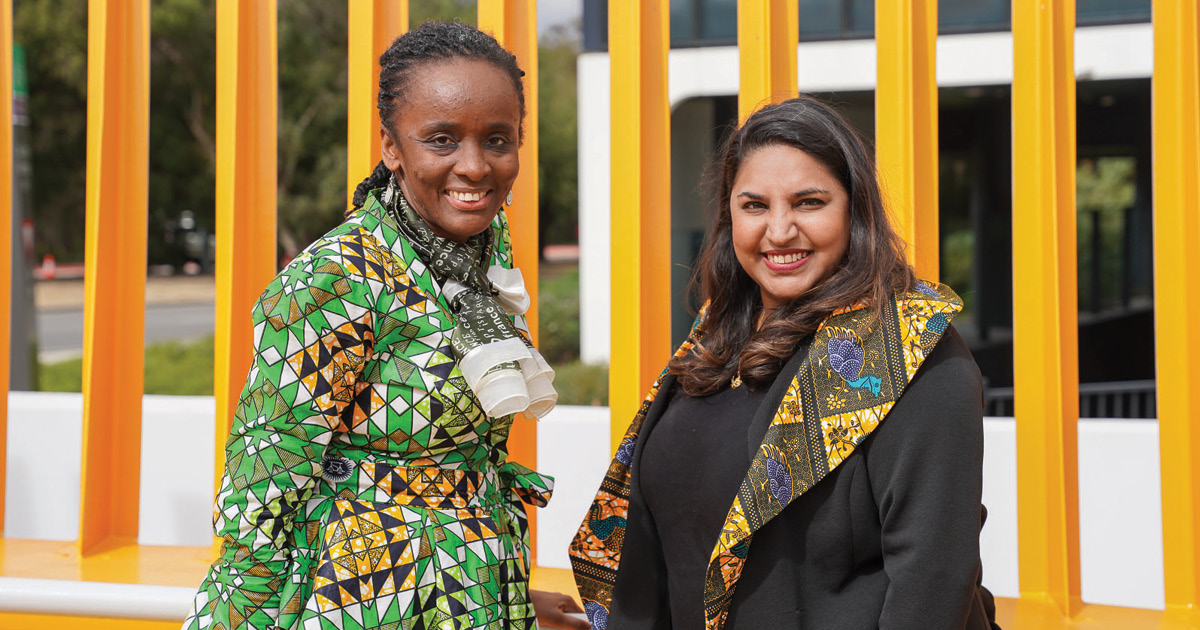
The Kids Research Institute Australia is at the forefront of a global effort to track and prevent malaria – one of the world’s leading causes of disease and child deaths, particularly in developing countries.
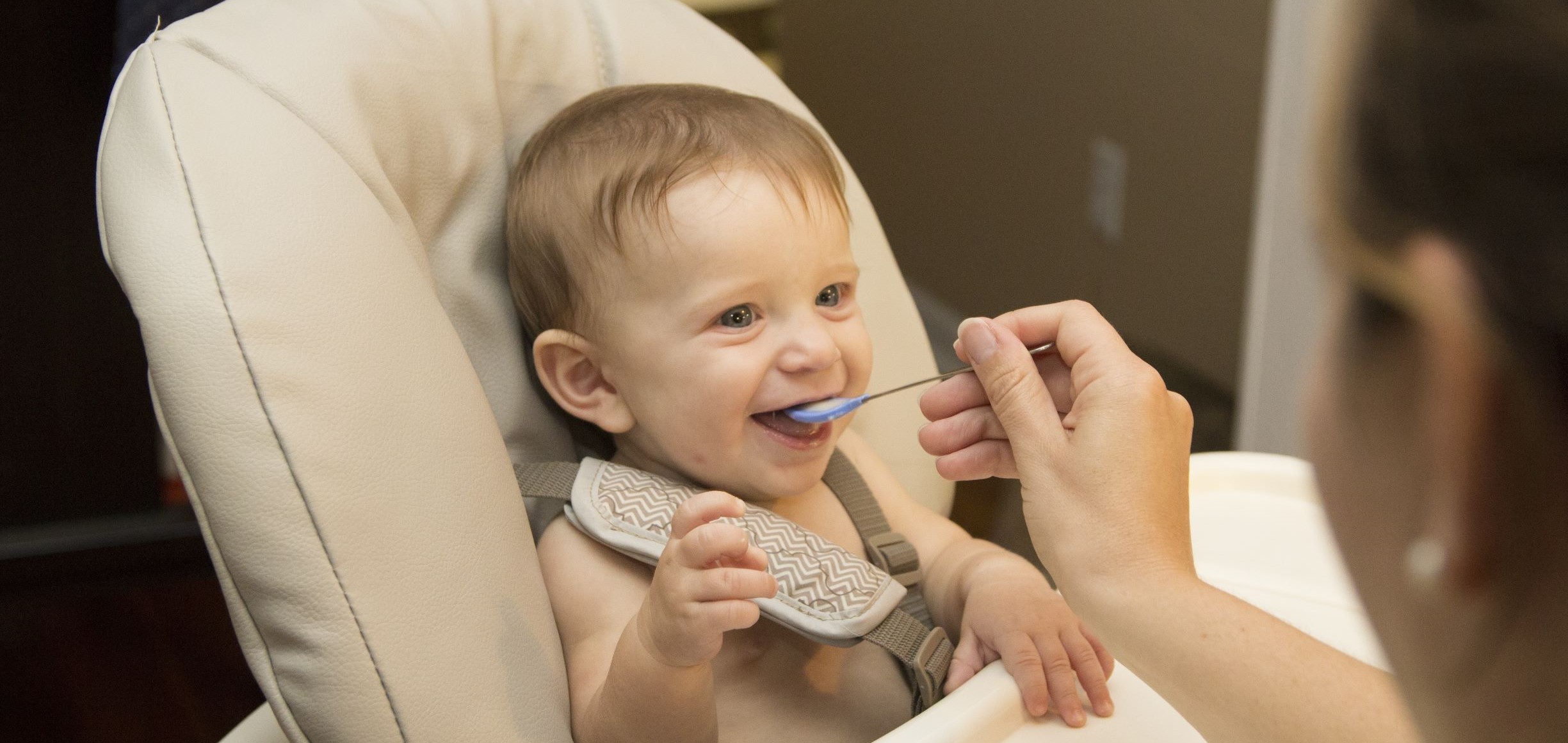
A dramatic rise in food allergies over the past 20 years had Australian medical professionals scratching their heads, with three in every ten babies born each year developing food-related allergy or eczema.
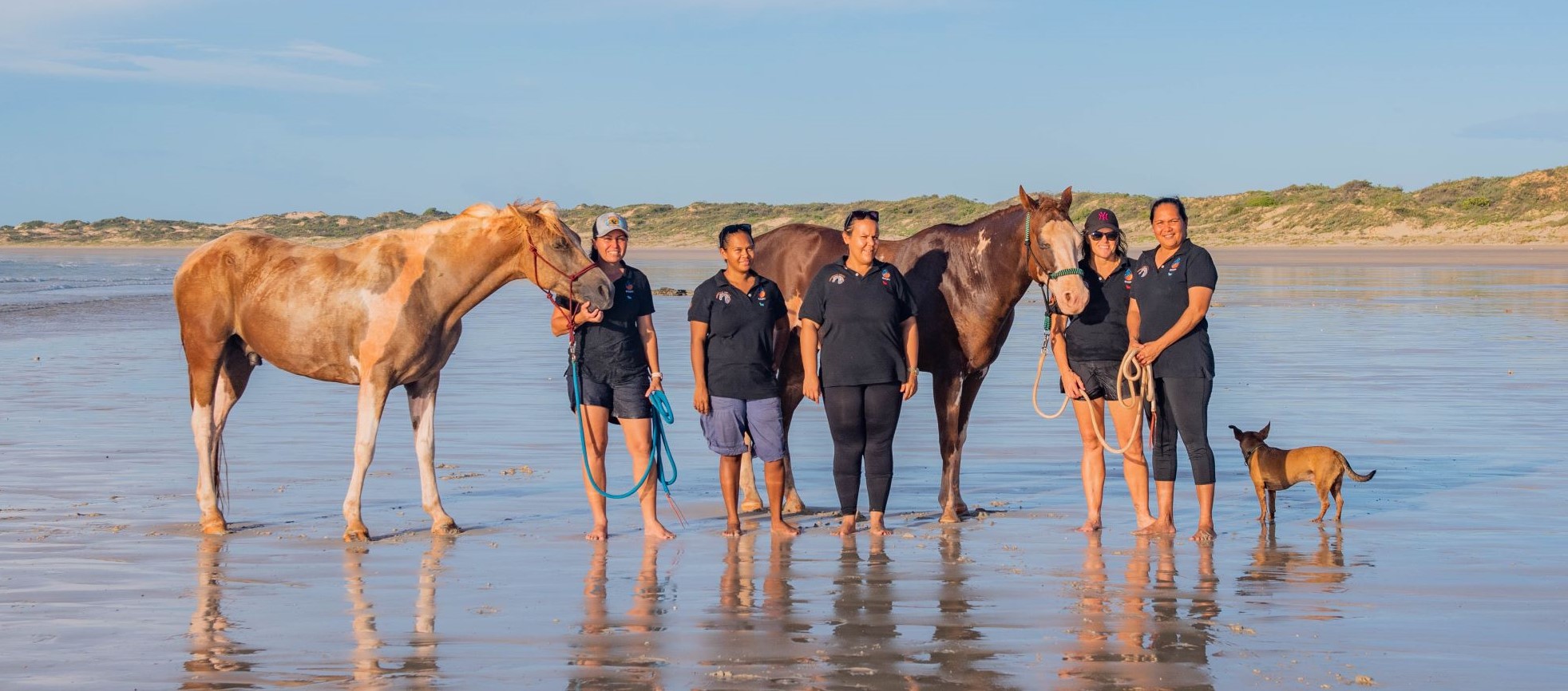
The Yawardani Jan-ga Equine-Assisted Learning (EAL) research project, headed by Professor Juli Coffin in WA’s Kimberley region, is steadily growing its capacity to support the social, emotional and spiritual wellbeing of Aboriginal young people through the powerful medium of horses.

Two international trials led by The Kids Research Institute Australia’s Neonatal and Infection Immunity Team are tackling the urgent need for simple and safe interventions that can help prevent the adverse long-term effects of infections in extremely preterm babies.

Young people and their families have teamed up with youth mental health providers and researchers to deliver a report which tackles youth suicide in WA.
Assisted reproductive technologies (ART) cover a range of methods used to help couples with fertility problems achieve pregnancy, including in-vitro fertilisation (IVF).
Despite major advances in science in recent years, many Australians still don't understand the magnitude and importance of early years development to a child's life journey.