
Search
The prevalence estimates of physical activity, sedentary behavior, and sleep (collectively known as movement behaviors) in 3- and 4-year-old children worldwide remains uncertain.
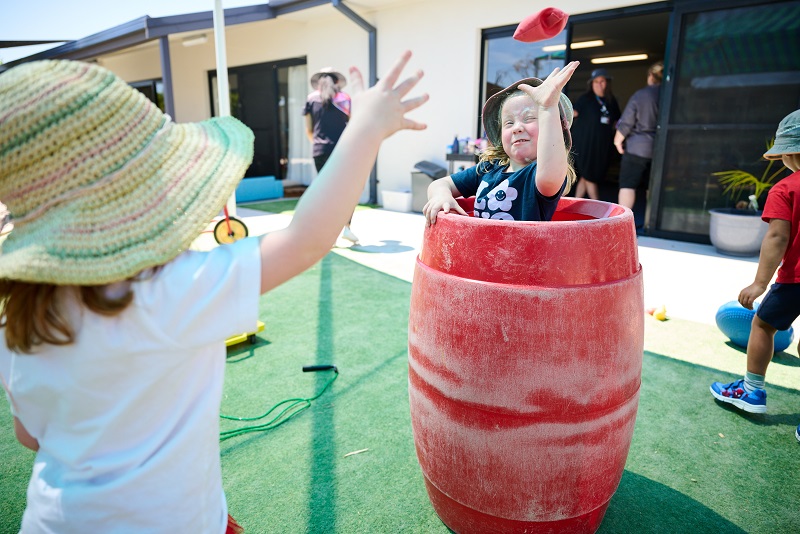
Our Child Physical Activity, Health and Development team focuses on improving children’s physical activity levels, health and development. We work to uncover the best environments, policies and programs to facilitate physically active lifestyles for lifelong health and wellbeing.
Informing urban planning and policy development to grow equitable access to healthy environments for young people and their families.
Physical activity is critical during the early years of life for a child’s health and development.
Play Active is a national, low-cost, evidence-based program to boost energetic play in early childhood education and care. It offers free professional development for educators.
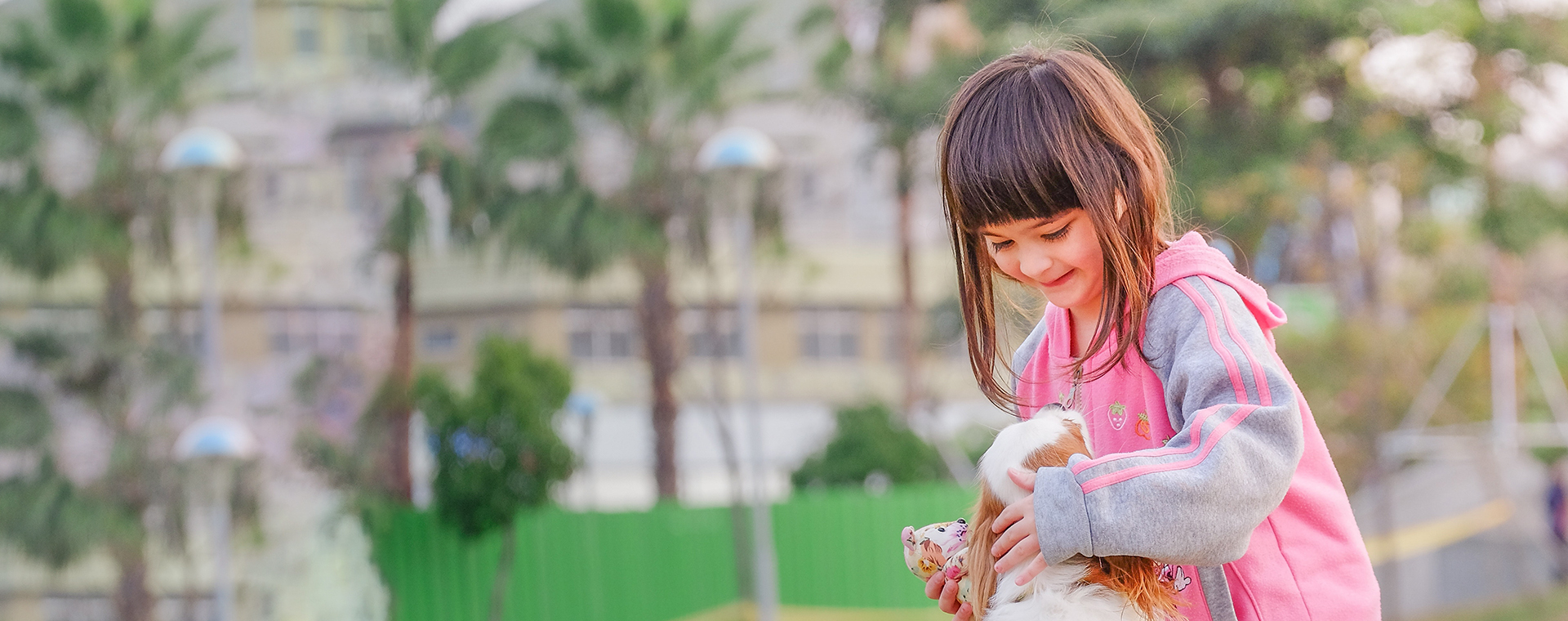
With rising levels of physical and mental health issues, ensuring children establish good physical activity behaviours early in life is more important than ever.
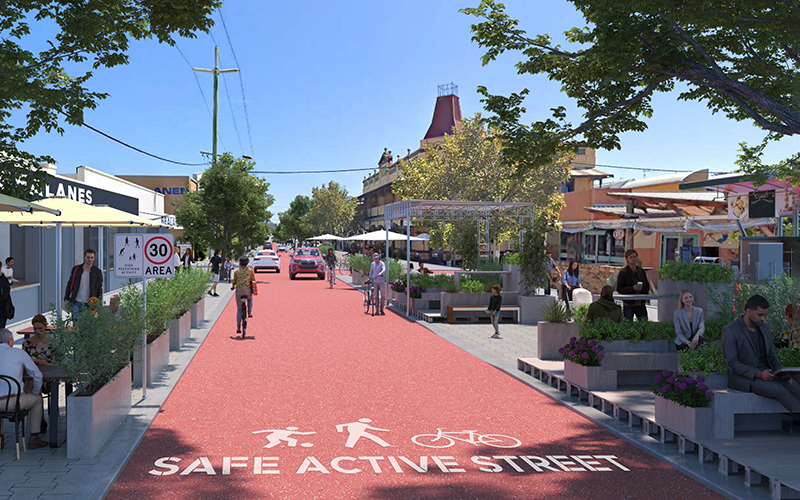
Researchers have identified 10 Australian shopping strips where the removal of on-street parking would transform the area’s liveability.

Four The Kids Research Institute Australia researchers from a diverse range of fields have been named as finalists for the prestigious 2022 Premier’s Science Awards.

Researchers exploring the potential health benefits of pets have found children who regularly walk and play with a family dog are more active, have less screen time, and sleep more.
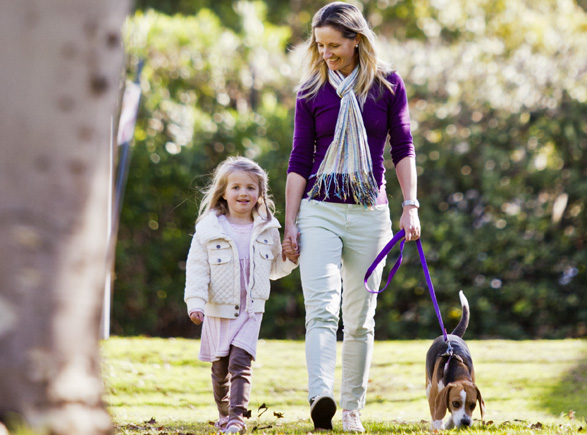
A new study has highlighted the positive impact dog ownership has on our mental health.