
Search
Showing results for "early life"
The purpose of this review is to examine the role of innate immunity in the lungs in the development of allergy and asthma.
In a world first, 96 per cent of communities in Australia now have vital information about their children's development

Testosterone and Language in Kids

The fifth Big Elders meeting/gathering was held on the Wednesday, 28th of February 2024 at Burswood on Swan.
Self-regulation is a modifiable protective factor for lifespan mental and physical health outcomes. Early caregiver-mediated interventions to promote infant and child regulatory outcomes prevent long-term developmental, emotional and behavioural difficulties and improve outcomes such as school readiness, educational achievement and economic success. To harness the population health promise of these programmes, there is a need for more nuanced understanding of the impact of these interventions.
To describe the extent to which parents report that 4- to 17-year-olds with symptoms meeting Diagnostic and Statistical Manual of Mental Disorders
Growing up in a language-rich home environment is important for children's language development in the early years. The concept of "technoference" (technology-based interference) suggests that screen time may be interfering with opportunities for talk and interactions between parent and child; however, limited longitudinal evidence exists exploring this association.
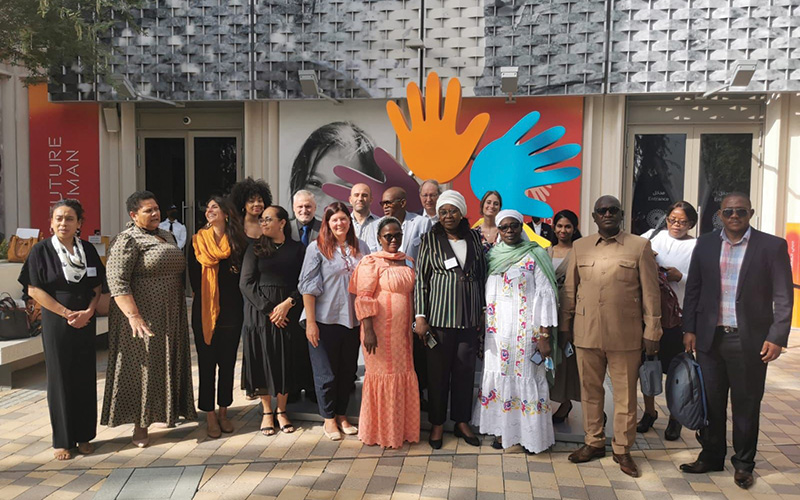
A powerful data tool developed by international child development researcher Professor Sally Brinkman and former research assistant Tom Brown could improve early childhood support for children around the world after being launched in Dubai this year.
Debbie Susan Desiree Palmer Prescott Silva BSc BND PhD MBBS BMedSci PhD FRACP MBBS, FRACP, MPH, PhD Head, Nutrition in Early Life Honorary Research
Ankle and hip power generation as a propulsion strategy during the late stance/early swing phases of walking and running in typically developing children