
Search
Showing results for "early life"
Perioperative pain management impacts patient morbidity, quality of life, and hospitalization cost. In children, it impacts not only the child, but the whole family. Adjuncts for improved perioperative analgesia continue to be sought to minimize adverse side effects associated with opioids and for those in whom regional or neuraxial anesthesia is not suitable.
Securing an airway enables the oxygenation and ventilation of the lungs and is a potentially life-saving medical procedure. Adverse and critical events are common during airway management, particularly in neonates and infants. The multifactorial reasons for this include patient-dependent, user-dependent and also external factors.
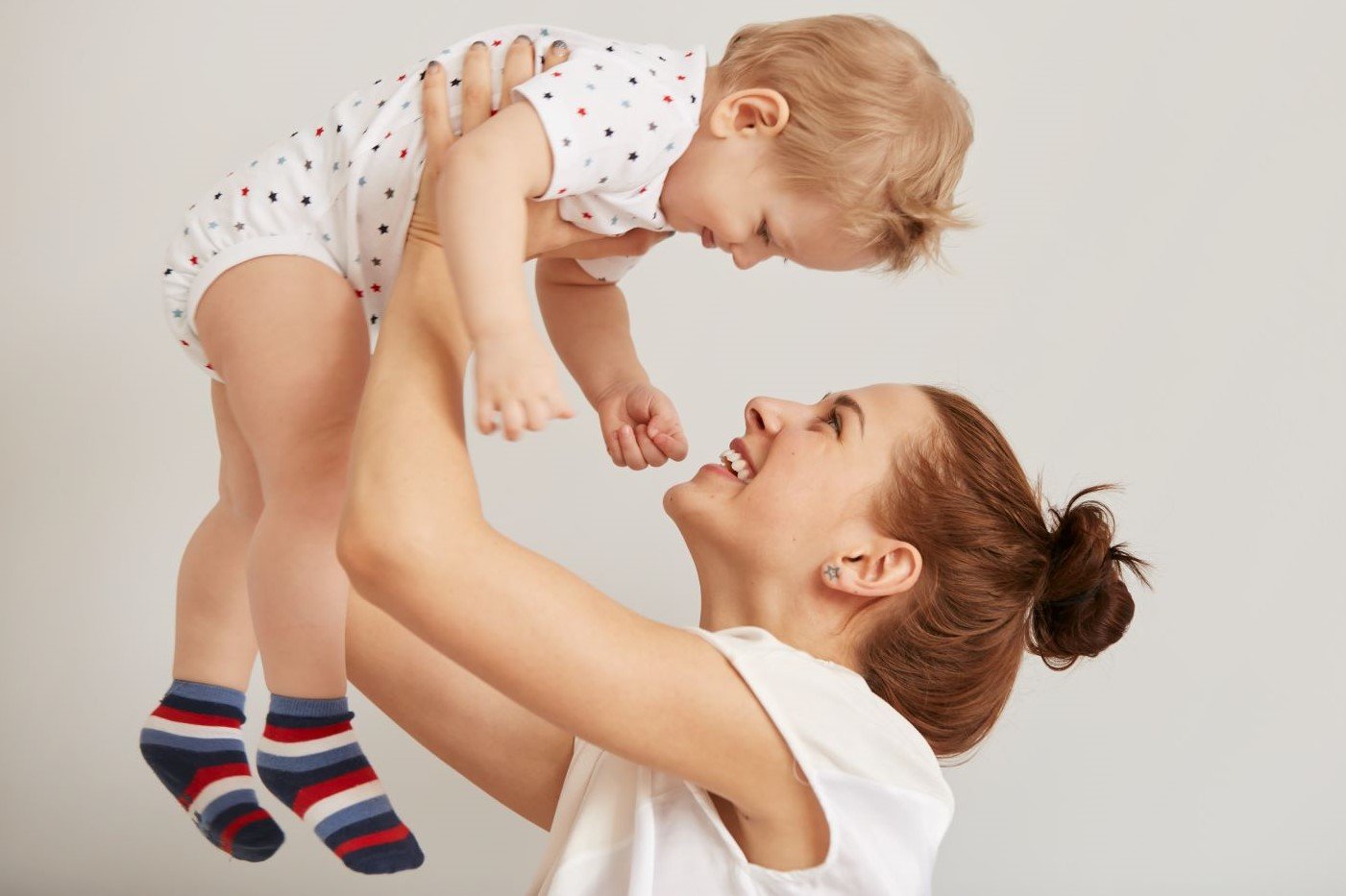
Testosterone and Language in Kids

The fifth Big Elders meeting/gathering was held on the Wednesday, 28th of February 2024 at Burswood on Swan.
Self-regulation is a modifiable protective factor for lifespan mental and physical health outcomes. Early caregiver-mediated interventions to promote infant and child regulatory outcomes prevent long-term developmental, emotional and behavioural difficulties and improve outcomes such as school readiness, educational achievement and economic success. To harness the population health promise of these programmes, there is a need for more nuanced understanding of the impact of these interventions.
Growing up in a language-rich home environment is important for children's language development in the early years. The concept of "technoference" (technology-based interference) suggests that screen time may be interfering with opportunities for talk and interactions between parent and child; however, limited longitudinal evidence exists exploring this association.
To describe the extent to which parents report that 4- to 17-year-olds with symptoms meeting Diagnostic and Statistical Manual of Mental Disorders
The Bright Tomorrows app developed at The Kids Research Institute Australia aims to assist parents of children aged 0-5 years to support their child to develop the building blocks of several essential life skills.
Ankle and hip power generation as a propulsion strategy during the late stance/early swing phases of walking and running in typically developing children
The Tasmanian Government has made a significant commitment in recent years to ensure children have the best possible start in life.