
Search
Showing results for "early life"

The AREST CF experience in biobanking — More than just tissues, tubes and time Abstract Research to further improve outcomes for people with CF is
Psychosocial characteristics and predictors of health-care use in families of young children with cystic fibrosis in Western Australia Abstract
Environmental exposure to phthalates and bisphenol A (BPA), chemicals used in the production of plastics, may increase risk for asthma and allergies. However, little is known about the long-term effects of early life exposure to these compounds.
Caregivers of individuals with neurodevelopmental and chronic health conditions require health literacy (HL) skills for the long-term management of these conditions. The aim of this rapid review was to investigate the efficacy of HL interventions for these caregivers.

STARS for Kids, a sub-project of ORIGINS, received a three-year grant to advance the development of a scalable, online, tiered model of care to better support disadvantaged communities, where 20-25 per cent of children are entering school developmentally vulnerable.
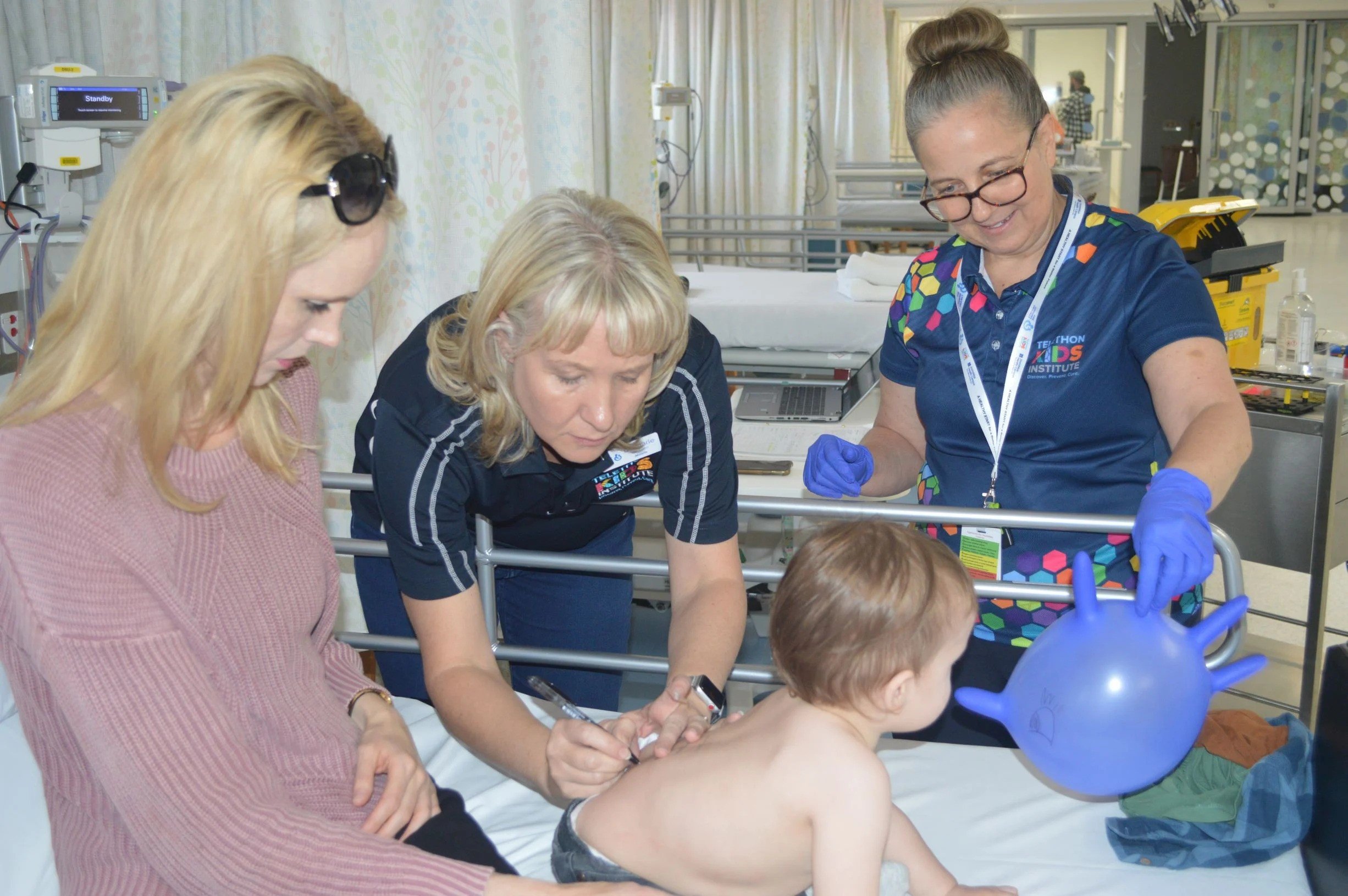
This fellowship will assist Associate Professor Palmer in her large-scale food allergy prevention trials.
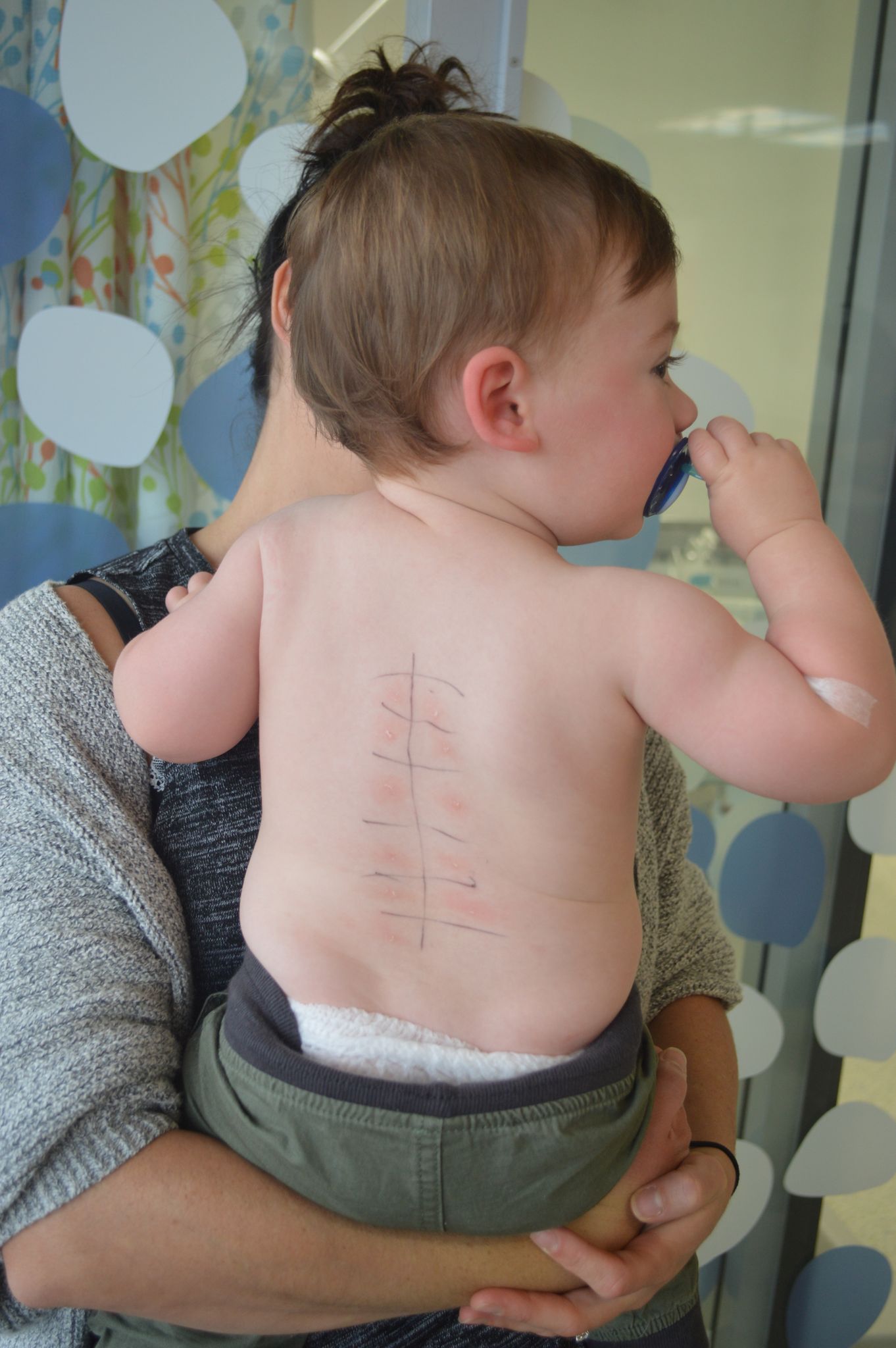
Comparing how mast cells are “programmed” in allergic and non-allergic children at one year of age.
Respiratory adverse events in adults with COVID-19 undergoing general anaesthesia can be life-threatening. However, there remains a knowledge gap about respiratory adverse events in children with COVID-19. We created an international observational registry to collect airway management outcomes in children with COVID-19 who were having a general anaesthetic.
Tracheal intubation in neonates and infants is a potentially life-saving procedure. Video laryngoscopy has been found to improve first-attempt tracheal intubation success and reduce complications compared with direct laryngoscopy in children younger than 12 months.
Patients with adrenal insufficiency are at risk of adrenal crisis, a potentially life-threatening emergency in the peri-operative period due to their attenuated ability to mount a cortisol response.