
Search
Showing results for " https://www.galaxus.ch/en/sector/showdiscussion/cvv-shop-visit-amsigacom-kzr0okq5-221497"
The emergence of Indigenous researchers into the public health research sector presents a challenge to what have traditionally been Western-based research...
One of the great success stories of modern medicine is undoubtedly the remarkable improvement in outcome for childhood cancer, achieved through the work of...

In this new blog, Senior Clinical Psychologist Rebecca Eaton offers families advice on how to support siblings of autistic children.
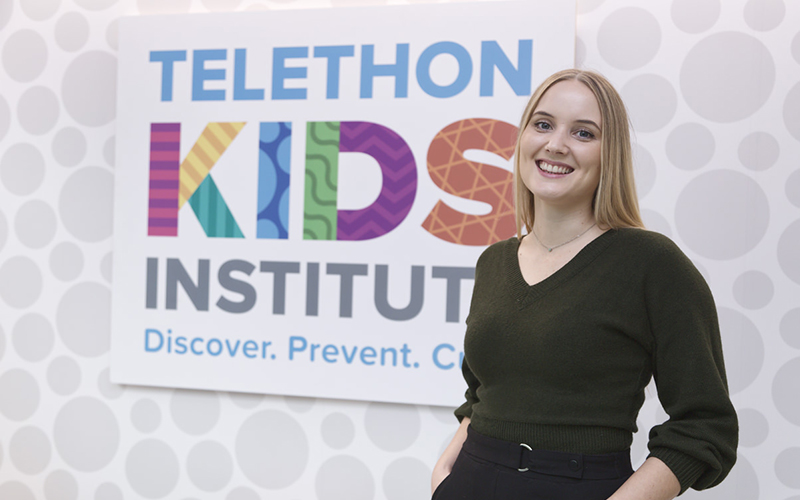
Dr Hayley Passmore is among four nominees for Western Australia’s 2022 Young Australian of the Year.
The glutathione S-transferase enzymes (GSTs) play an important role in the detoxification of environmental tobacco smoke (ETS), which contributes to airway infl

The Health Promotion and Education Research Program, led by Head Professor Donna Cross, combines over 14+ years of cyber safety research, involving over 30 projects investigating young people’s online behaviours, totalling over $5 million in funding since 2007.

Discover what's best for you, your pregnancy, baby or child at the Pregnancy Babies & Children's Expo - the must see parenting event of the year!
West Australian study will look at the breathing and airway problems of children and with cerebral palsy (CP) to prevent serious respiratory problems

by Dr Shivanthan Shanthikumar
Rare diseases (RD) are conditions affecting fewer than 1 in 2000 persons, with over 7000 largely genetic RDs affecting 3.5 %-5.9 % of the global population, or approximately 262.9–446.2 million people. The substantial healthcare burden and costs, such as the $1 trillion annual expense in the USA, highlight the urgent need for improved RD management. The International Rare Diseases Research Consortium (IRDiRC) addresses this need through global collaboration, aiming for timely and accurate diagnosis, development of 1000 new therapies, and methodologies to measure impact by 2027.