
Search
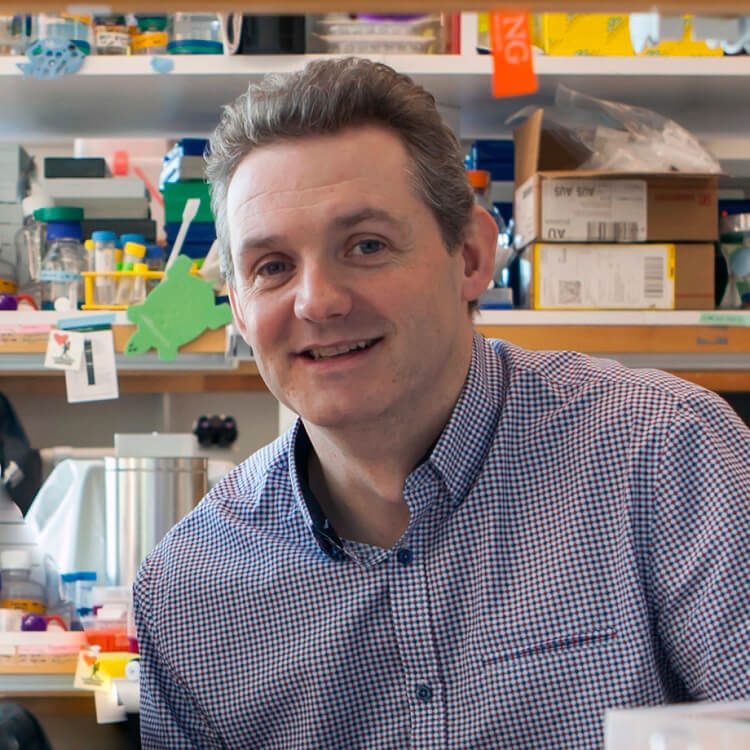
Associate Professor Nick Gottardo awarded Cure Brain Cancer Foundation Innovation Grant 2017
The Kids cancer researcher & clinician Dr Nick Gottardo has been announced as the recipient of an Innovation Grant from the Cure Brain Cancer Foundation.
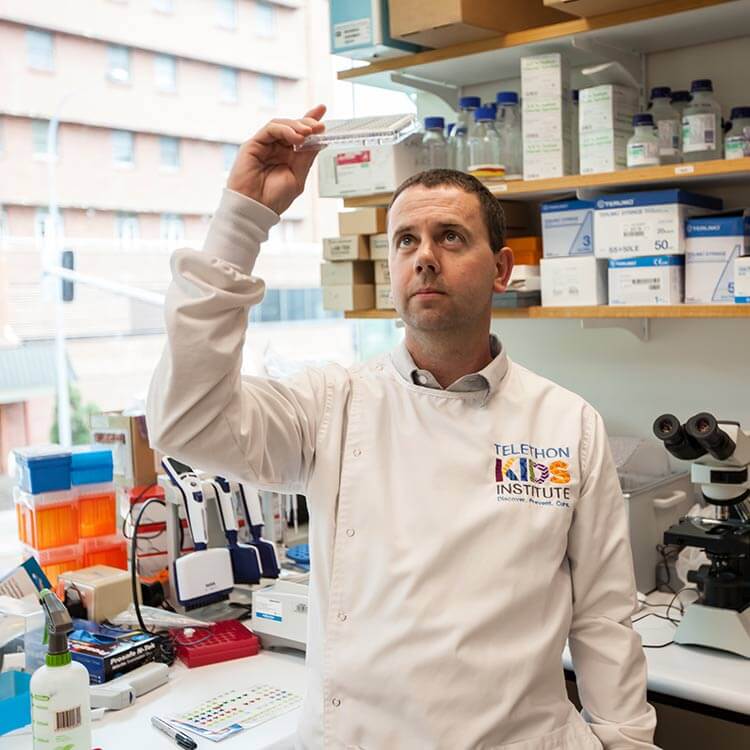
Funding boost to melanoma research
A The Kids Research Institute Australia researcher will investigate new ways to harness the body’s own immune system to fight melanoma, thanks to Cancer Council WA funding.
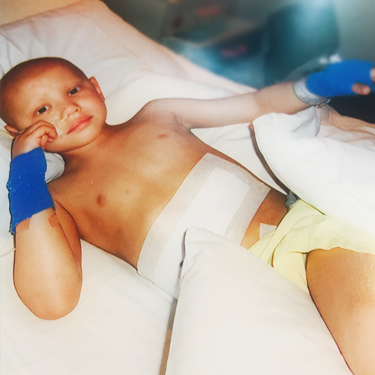
Childhood cancer story: How Rennae's child's cancer diagnosis affected her family
Rennae's son Samuel was diagnosed with stage 4 neuroblastoma 13 years ago, and was originally given a 20% chance of survival. She bravely shares their story.
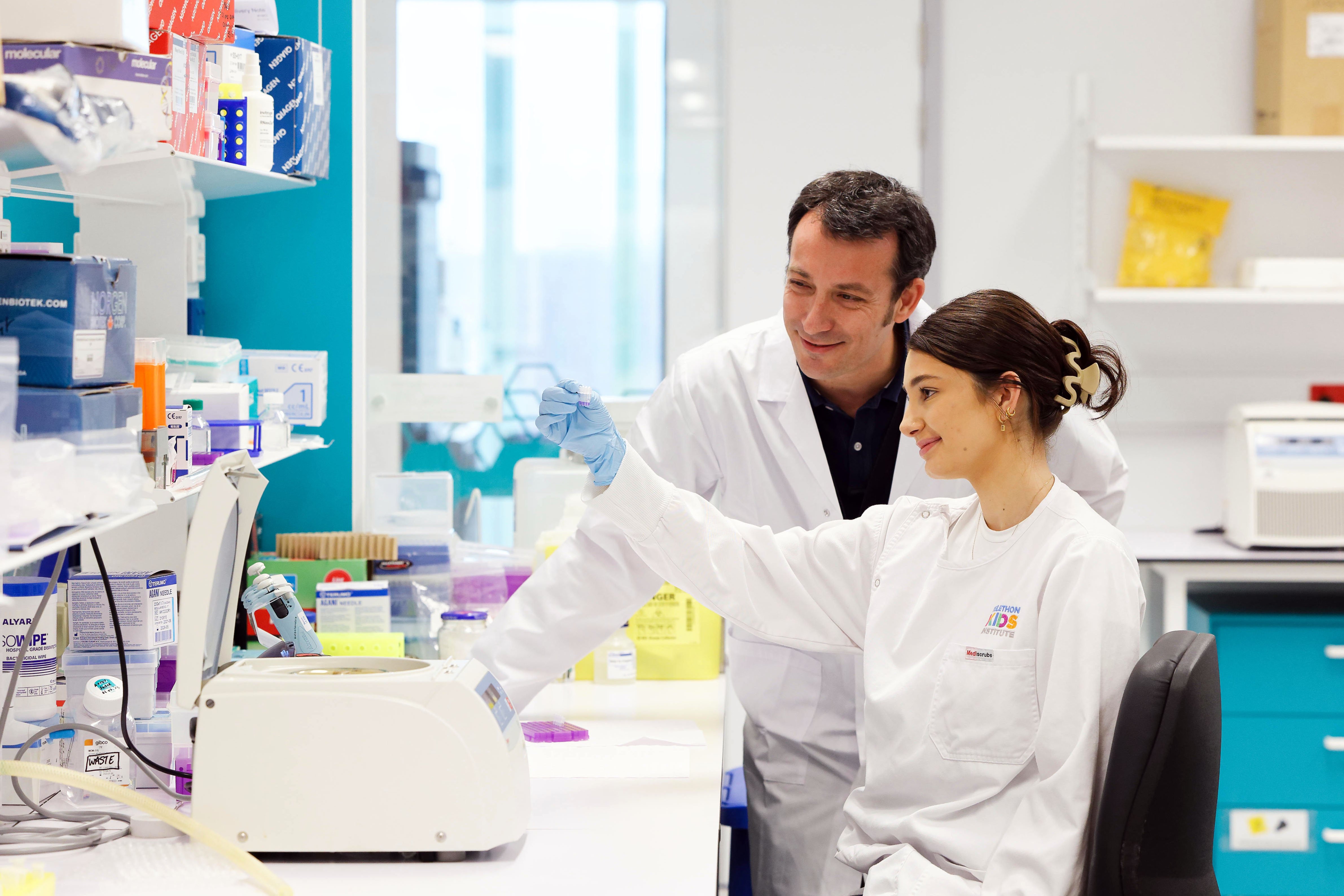
West Coast Cancer Meeting 2025
Join us as WA’s cancer research community comes together at the inaugural West Coast Cancer Meeting.