
Search
We explore the contemporary landscape of housing investments and initiatives seeking to improve health outcomes among Aboriginal and Torres Strait Islander people in Australia, as well as the dearth of quality evidence and agreed approaches to evaluation.
Otitis media (OM) is the leading cause of childhood hearing loss but its burden in low-middle-income countries like Papua New Guinea (PNG) is poorly understood. We aimed to determine the proportion of children aged ≤15 years attending clinics in Goroka, Eastern Highlands Province, PNG with OM and associated risk factors.
Tamara Chris Valerie Veselinovic Brennan-Jones Swift BSc(Hons) MClinAud PhD PhD Clinical Research Fellow Head, Ear and Hearing Health Aboriginal
Tonsillectomy and adenoidectomy are two of the most commonly performed ENT procedures in children, with over 500,000 cases performed annually in the United States. Whilst generally considered a safe and well-tolerated operation, it is not without its risks and complications including pain, nausea, anorexia and most importantly bleeding and post-tonsillectomy haemorrhage.
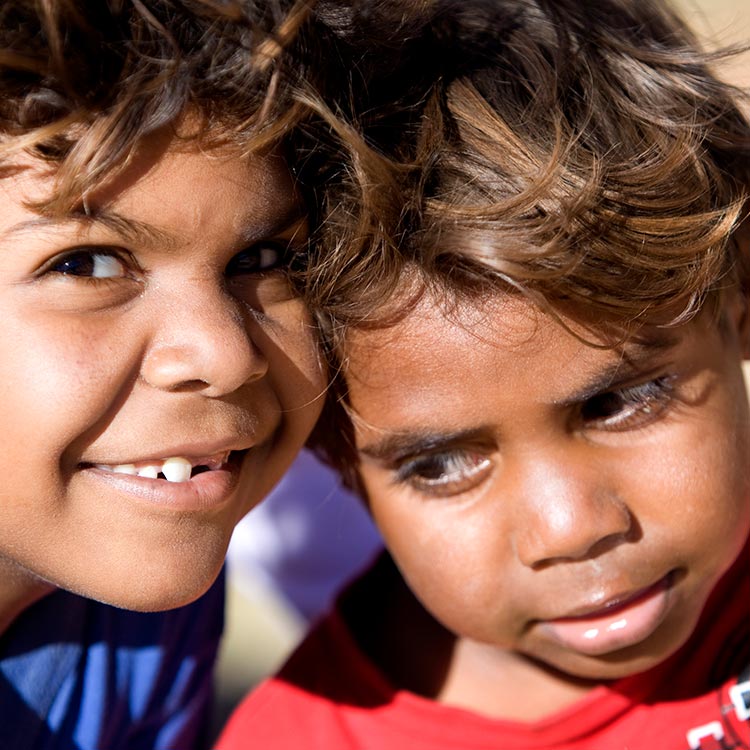
A $6 million commitment from Wesfarmers to Telethon will fund vital research to reduce the impact of chronic ear infections and other serious diseases.

News you can use - Travelling with an ear infection
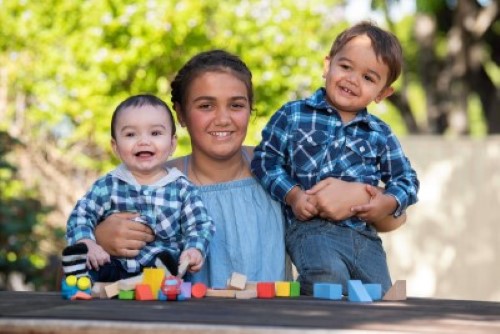
A new partnership between The Kids Research Institute Australia, Dr George Sim and St John of God Murdoch Hospital will offer essential surgery at no cost for a group of Aboriginal children suffering severe ear infections.
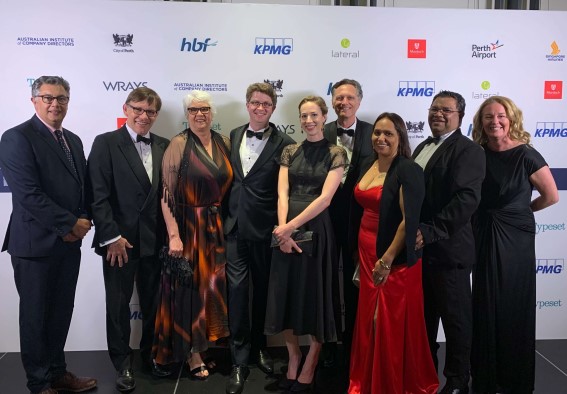
Dr Chris Brennan-Jones received the Woodside STEM Award for Excellence in Science at the prestigious 40Under40 Awards.
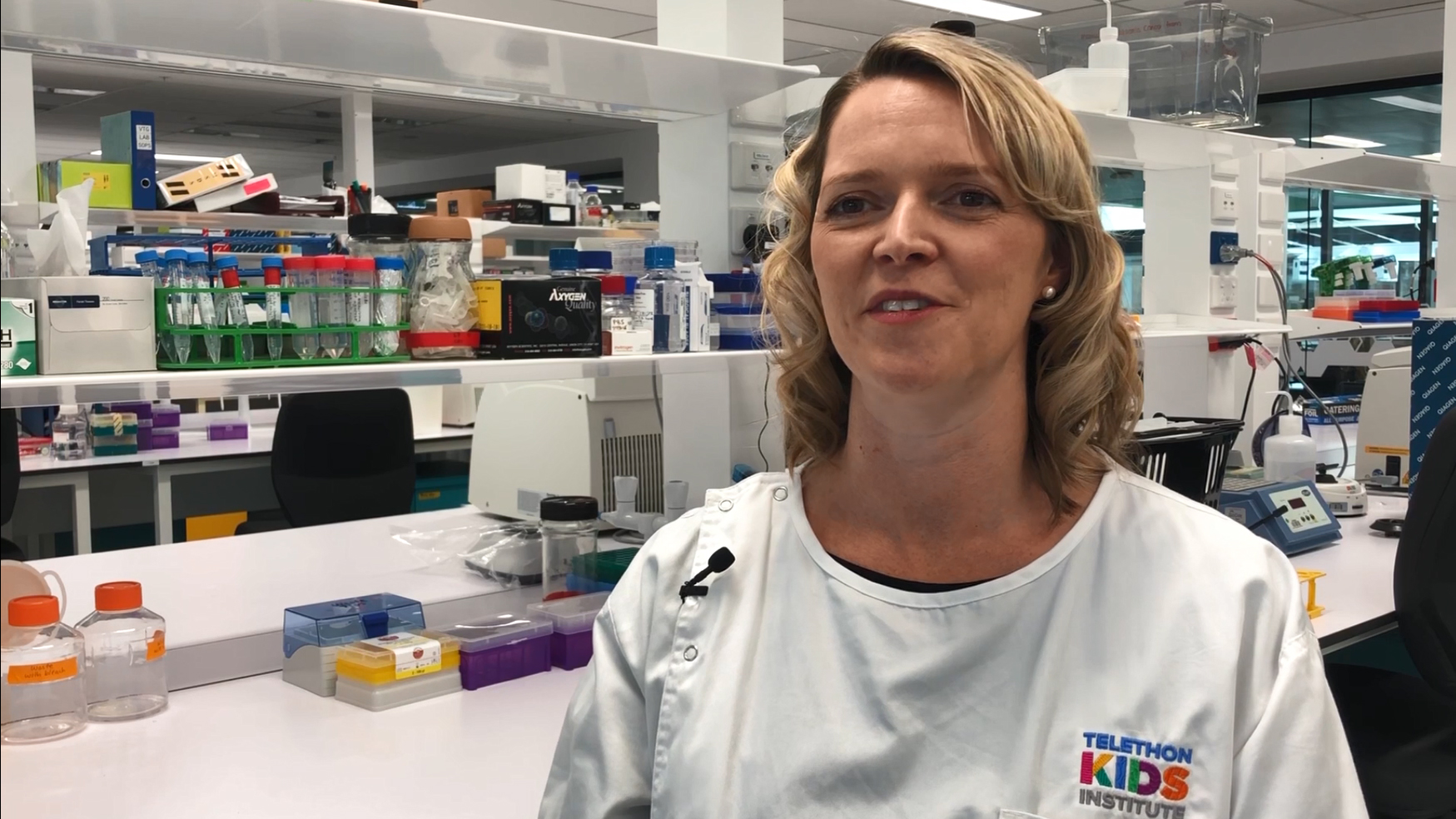
A nasal spray that could potentially prevent childhood ear infections and reduce antibiotic use is a step closer to clinical trials thanks to a $500,000 CUREator grant.
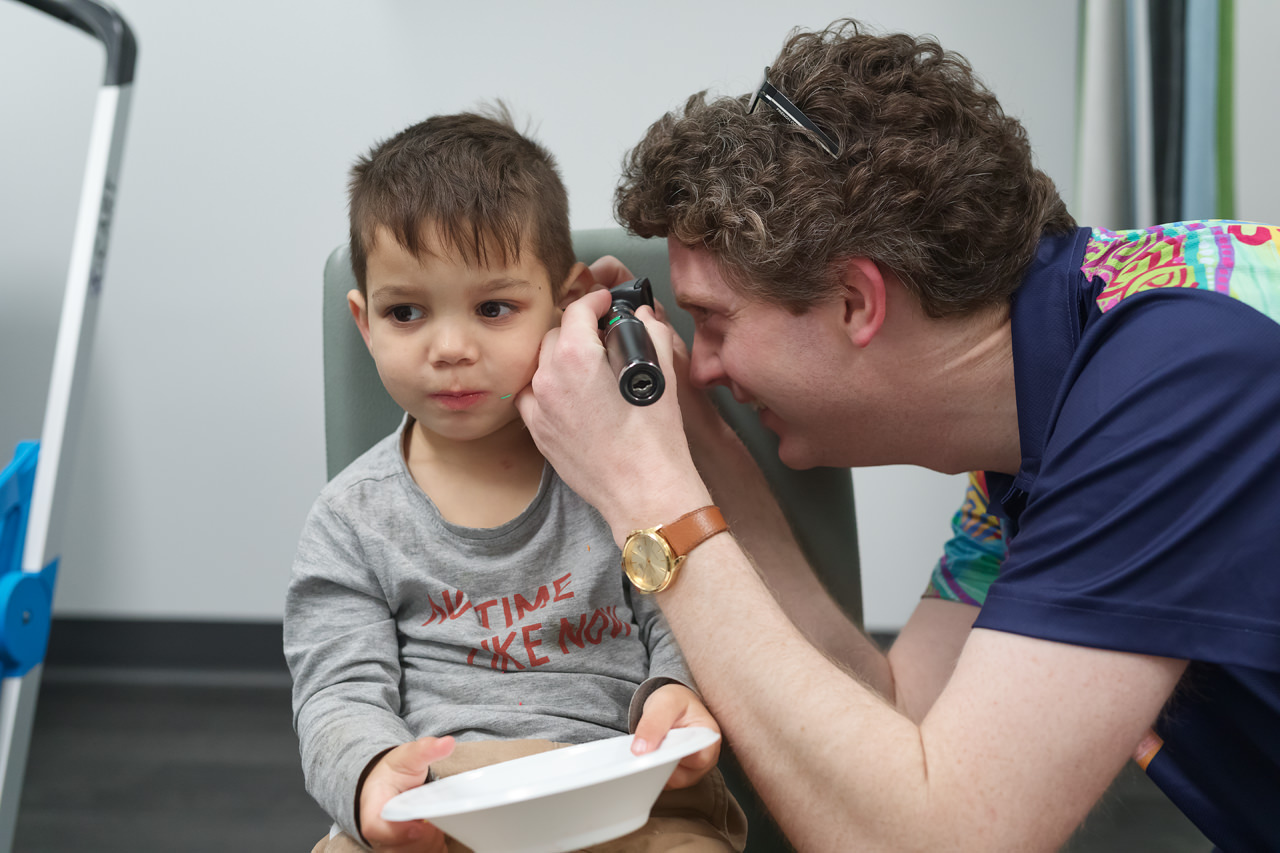
Paediatric audiologist Associate Professor Chris Brennan-Jones has been announced as a finalist for the country’s leading national science awards – the Australian Museum Eureka Prizes.