
Search
Showing results for "early life"
This study aimed to identify psychosocial predictors in cystic fibrosis that may inform intervention strategies.
This study aimed to determine how pulmonary inflammation & infection impacts on ventilation distribution throughout early life in people with cystic fibrosis.
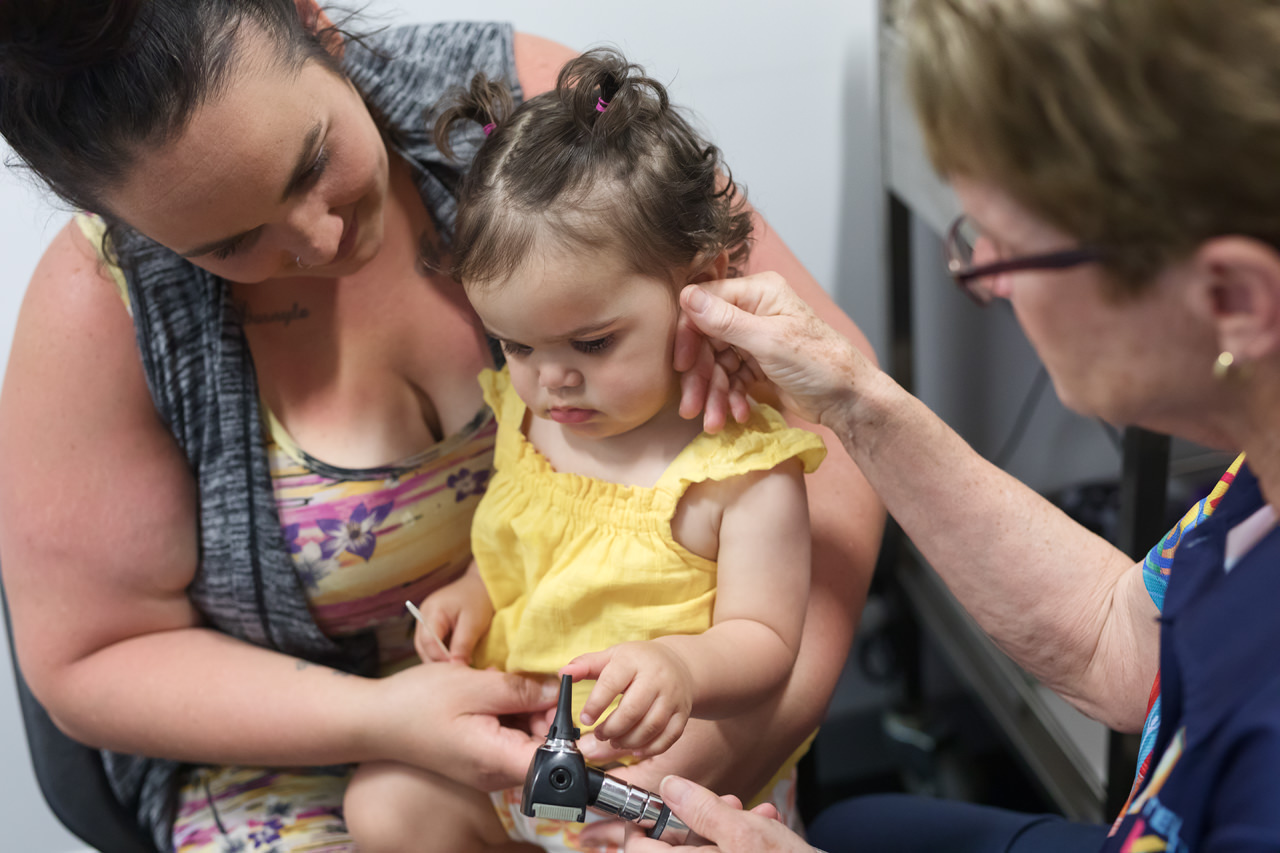
Researchers from The Kids Research Institute Australia have been awarded a $1.1 million NHMRC ‘Targeted Call for Hearing Health’ grant to conduct the first ever study following Aboriginal babies from birth through to five years to uncover the true prevalence of middle ear infections and hearing loss.

Australian researchers who have conducted the first study looking at the direct health impacts of predicted carbon dioxide levels say the results are worrying and highlight the urgent need for more research into the issue.
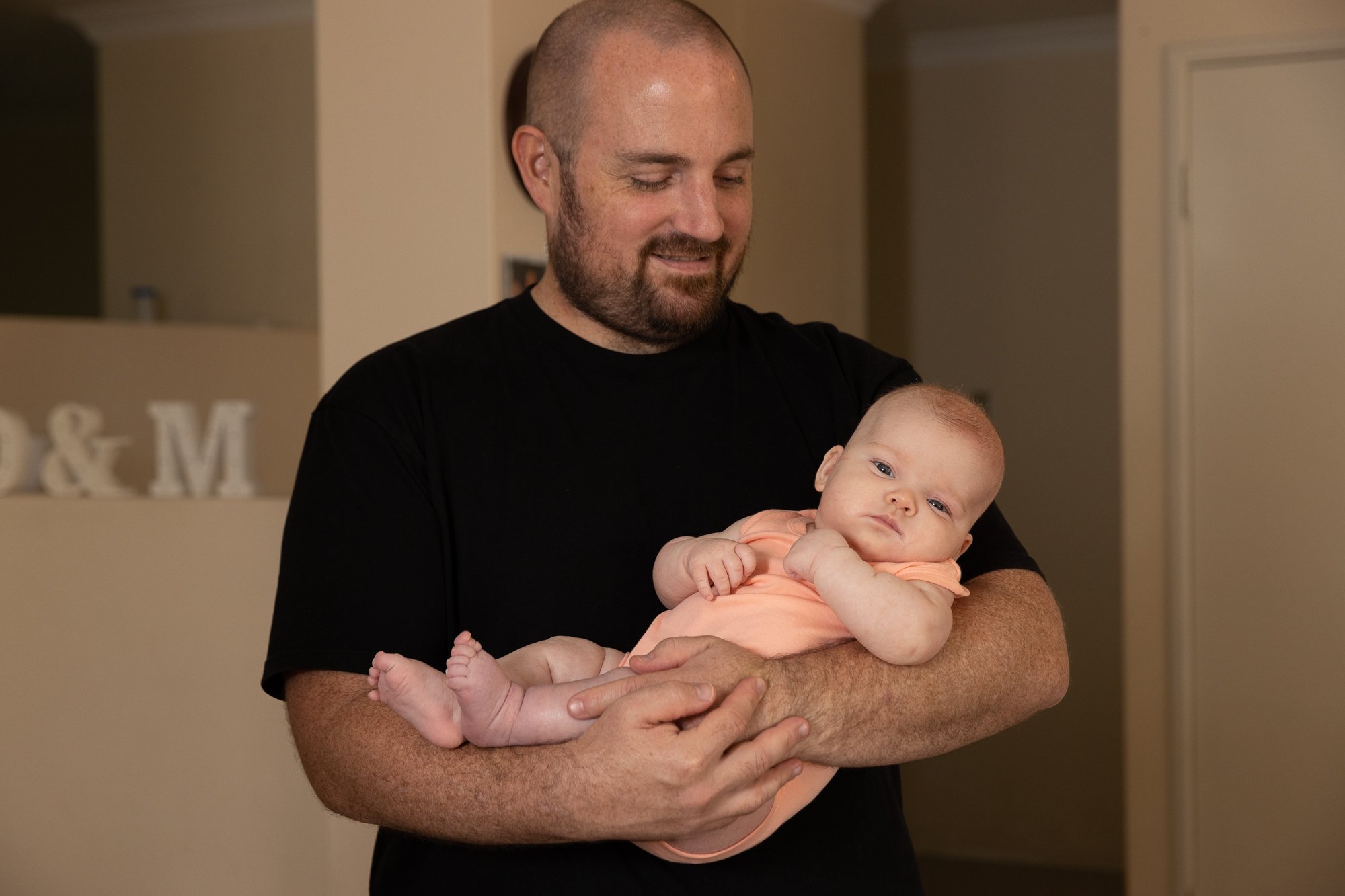
Providing expectant and new Dads with a health check-up
Alexander Larcombe BScEnv (Hons) PhD Honorary Research Fellow Honorary Research Fellow Associate Professor Alexander Larcombe began work at The Kids
Aim: To describe the real-world effects of trofinetide in individuals with Rett syndrome (RTT) using the 18-month follow-up analysis of the LOTUS study.
Electronic cigarettes (e-cigarettes) are often perceived to be a less harmful alternative to tobacco cigarettes. Potentially due to this perception, they are used by people with pre-existing respiratory conditions, such as asthma, who otherwise would not smoke. Despite this, there are few studies exploring the health effects of e-cigarette use on pre-existing asthma.
This study aimed to characterise bacteriophages for potential therapeutic use against Staphylococcus aureus, focusing on clinical respiratory isolates of methicillin-sensitive (MSSA) and methicillin-resistant (MRSA) strains. Specifically, it sought to evaluate phage lytic activity, host range, stability, biofilm disruption capabilities, and overall safety for therapeutic use.
Clinical utility of home polysomnography in children with neuromuscular disorders is limited by lack of evidence that sleep-disordered breathing can be reliably identified and inability to diagnose hypoventilation because carbon dioxide is not measured.