
Search
Showing results for "early life"
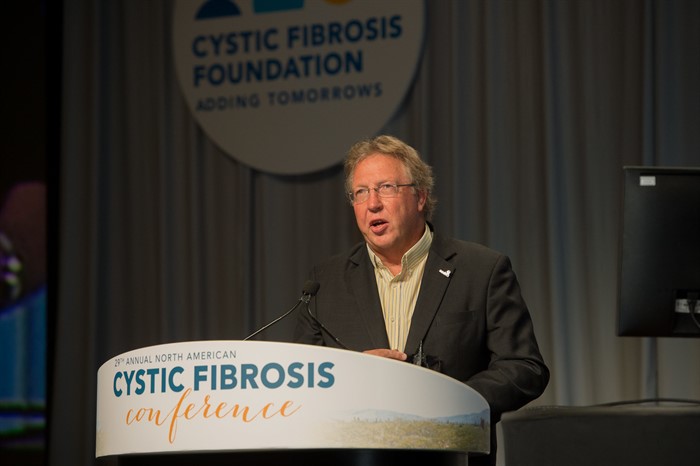
Professor Stephen Stick has been awarded the prestigious Richard C. Talamo Distinguished Clinical Achievement Award from the US Cystic Fibrosis Foundation.
Alexander Larcombe BScEnv (Hons) PhD Honorary Research Fellow Honorary Research Fellow Associate Professor Alexander Larcombe began work at The Kids
Alexander Anthony Larcombe Kicic BScEnv (Hons) PhD BSc (Hons) PhD Honorary Research Fellow Rothwell Family Fellow; Head, Airway Epithelial Research
Males are generally more susceptible to respiratory infections; however, there are few data on the physiological responses to such infections in males and...
CDKL5 Deficiency Disorder (CDD) is a rare neurodevelopmental disorder characterised by early onset seizures combined with complex healthcare needs and developmental impairment that influence functional domains including communication. Communication is a high priority domain for families but currently used measures demonstrate floor effects.
Tele-dentistry can be useful to facilitate screening of children, especially those living in rural and remote communities, and during the COVID-19 pandemic. This study evaluated the feasibility of tele-dental screening for the identification of early childhood caries (ECC) in preschoolers using an app operated by their parents with remote review by oral-health therapists.
The aim of this project was to conduct a critical analysis of the AEDC data for NSW children to understand the factors contributing to the changes in child development outcomes over time.
Peers play a crucial role in supporting wellbeing and psychosocial development for young people aged 12-25. However, a cancer experience often leads to challenges maintaining friendships. There have been no prior attempts to map or synthesise available research or resources on support specifically from friends for young people with cancer, limiting the capacity to draw conclusions or determine next steps for how to best support young people with cancer. This review aims to address this gap by mapping and synthesising the available literature and resources.
The aim of this study was to determine the unique and shared contributions of various positive psychology constructs (gratitude, optimism, hope, self-compassion, self-efficacy, and emotion regulation) to wellbeing and distress outcomes in young people living with a diverse range of chronic health conditions.
Listening to children and families about what is important to them when visiting Child Development Services (CDS) can provide valuable insights.