
Search
Impaired interferon response and allergic sensitization may contribute to virus-induced wheeze and asthma development in young children. Plasmacytoid dendritic cells play a key role in antiviral immunity as critical producers of type I interferons.
Up to one-third of young people live with chronic physical conditions (eg, diabetes, asthma, and autoimmune disease) that frequently involve recurrent pain, fatigue, activity limitations, stigma, and isolation.
nfants with frequent viral and bacterial respiratory infections exhibit compromised immunity to routine immunizations. They are also more likely to develop chronic respiratory diseases in later childhood. This study investigated the feasibility of epigenetic profiling to reveal endotype-specific molecular pathways with potential for early identification and immuno-modulation.
Mothers with asthma or atopy have a higher likelihood of having autistic children, with maternal immune activation in pregnancy implicated as a mechanism. This study aimed to determine, in a prospective cohort of mothers with asthma and their infants, whether inflammatory gene expression in pregnancy is associated with likelihood of future autism.
This position statement, updated from the 2015 guidelines for managing Australian and New Zealand children/adolescents and adults with chronic suppurative lung disease (CSLD) and bronchiectasis, resulted from systematic literature searches by a multi-disciplinary team that included consumers.
Shannon Elizabeth Simpson Smith BMedSci (hons), PhD PhD, MSc, BSc Head, Strong Beginnings Research, Co-head Foundations of Lung Disease Program
Despite advances in asthma therapeutics, the burden remains highest in preschool children; therefore, it is critical to identify primary care tools that distinguish preschool children at high risk for burdensome disease for further evaluation.

A collaboration between The Kids Research Institute Australia and Joondalup Health Campus is poised to be a game-changer for early childhood development.
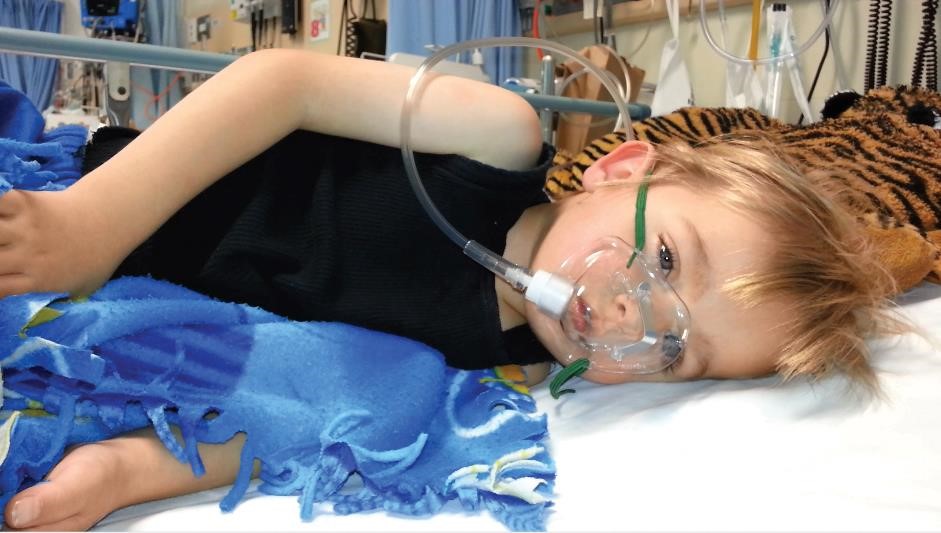
An ambitious project that could stop children developing asthma is the centrepiece of a new world-class respiratory research centre launched in Perth.
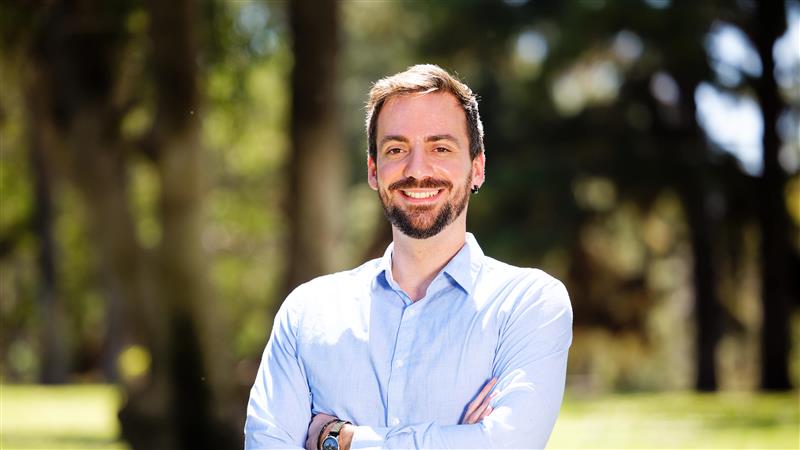
Researchers developing a world-first treatment that targets an underlying cause of asthma have secured a $499,640 grant from the Future Health, Research and Innovation Fund – Innovation Seed Fund.