
Search
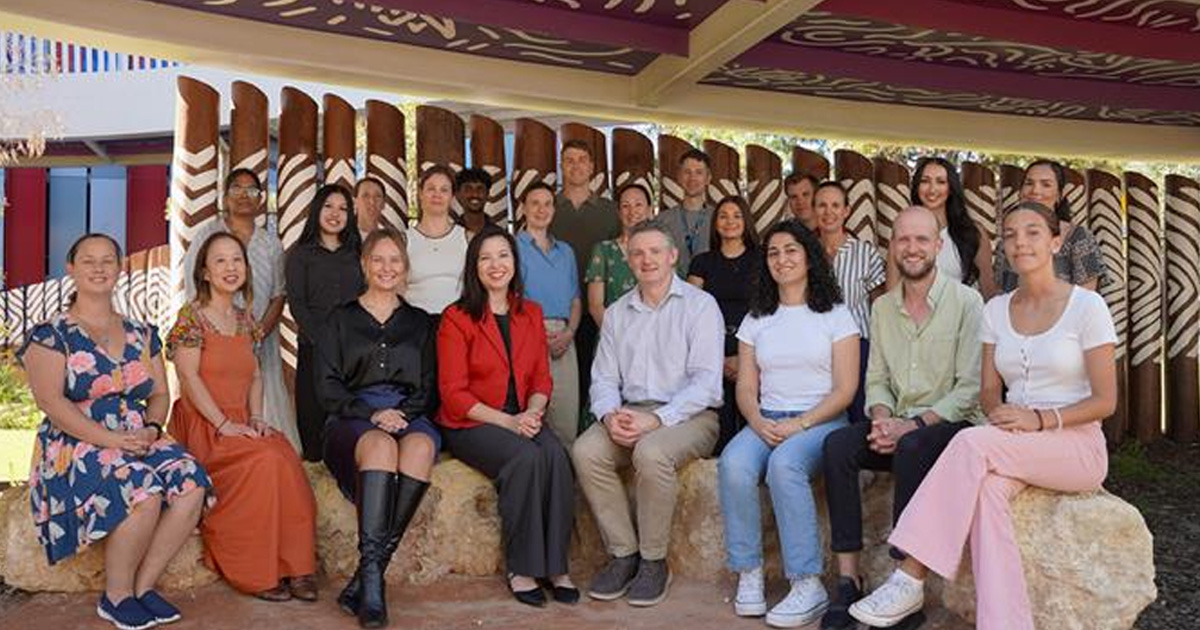
The Kids Research Institute Australia's Brain Tumour Research team will develop and implement cutting-edge technologies to revolutionise the speed of brain cancer diagnosis for WA children, thanks to more than $200,000 from Telethon.

On Monday 1 September, childhood cancer researcher Jacob Byrne is lacing up his running shoes and taking the first steps of an extraordinary challenge: 30 marathons in 30 days across Perth.
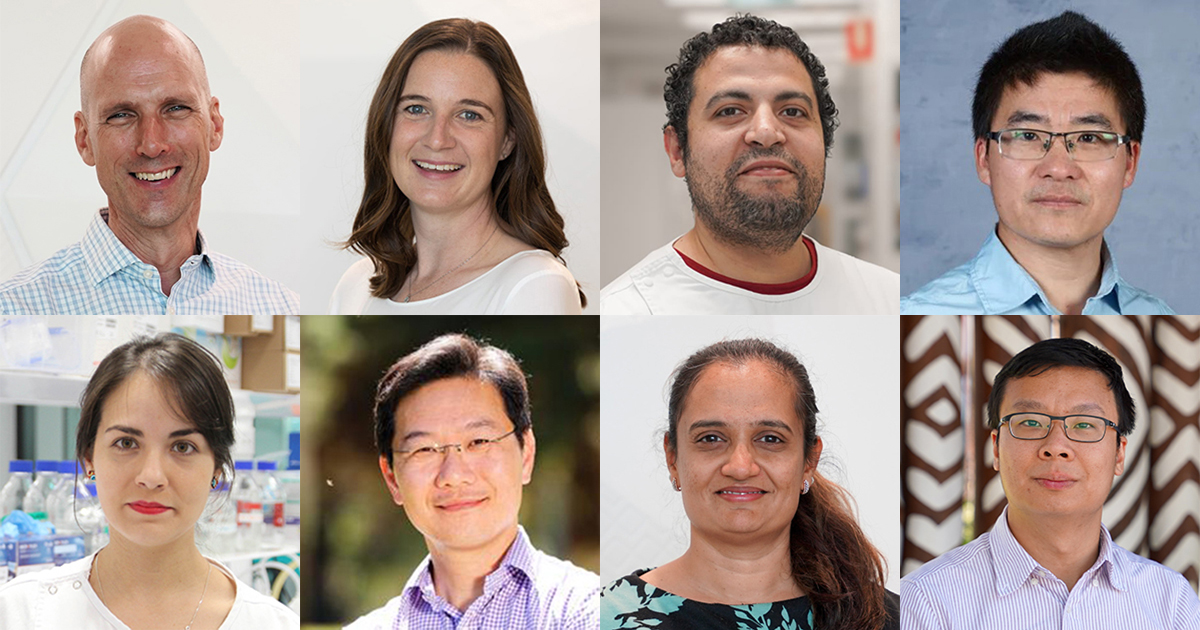
Eight childhood cancer researchers have been awarded over $2 million in transformative grants from Cancer Council WA to advance their pioneering work in improving cancer treatments and outcomes for patients in Western Australia and around the world.
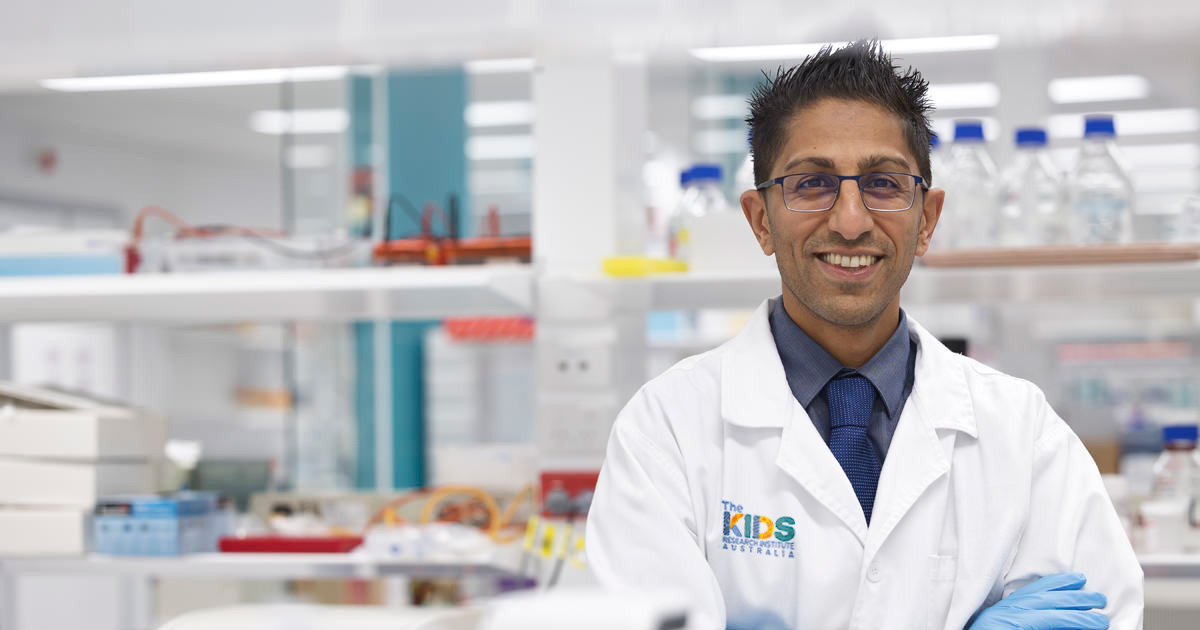
Associate Professor Rishi Kotecha, Co-Head of Leukaemia Translational Research at The Kids Research Institute Australia Cancer Centre and Consultant Paediatric Oncologist at Perth Children's Hospital, has been named Cancer Council WA’s 2024 Cancer Researcher of the Year.
The success of cancer immunotherapies has highlighted the importance of monitoring the anti-tumour T cell response. Patients with mesothelioma frequently present with a malignant pleural effusion (MPE) that is commonly drained regularly to alleviate symptoms. As MPE contains tumour cells, T cells and cytokines, it provides a unique opportunity to sample immune events at the tumour site.
Peroxisome proliferator-activated receptor γ (PPARγ) is a prominent ligand-inducible transcription factor involved in adipocyte differentiation, glucose homeostasis, insulin sensitivity, inflammation, and cell proliferation, making it a therapeutic target for diabetes, metabolic syndrome, autoimmune diseases, and cancer.
Leukaemia, also spelled leukemia, is a cancer that develops in the bone marrow and results in abnormal white blood cells. It is the most common cancer in children, accounting for almost a third of all childhood & teen cancers.
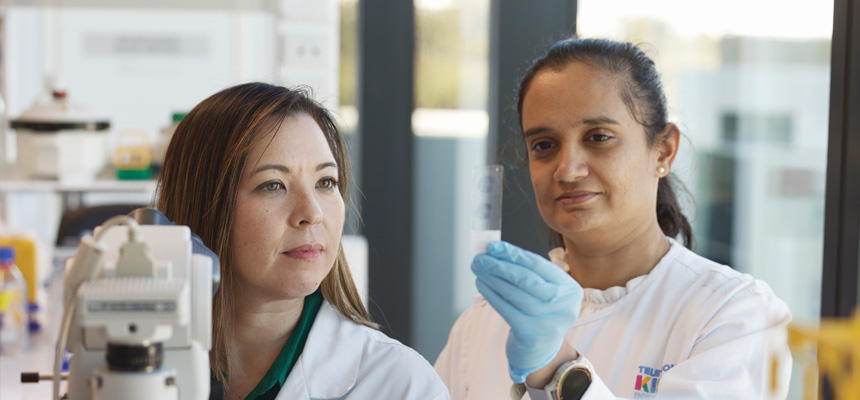
The WA Kids Cancer Centre has a suite of world-leading research projects to unlock new treatments for childhood cancers.
Citation: Bailey HD. Exploring Exclusive Breastfeeding and Childhood Cancer Using Linked Data. JAMA Netw Open. 2024;7(3):e243075 Keywords:
Approximately 770 children are diagnosed with cancer in Australia every year. Research has explored their experiences and developed recommendations for improving support provided to families. These have included the provision of psychology services, improved communication between healthcare professionals and parents, and increased information for families.