
Search

Young people and their families have teamed up with youth mental health providers and researchers to deliver a report which tackles youth suicide in WA.
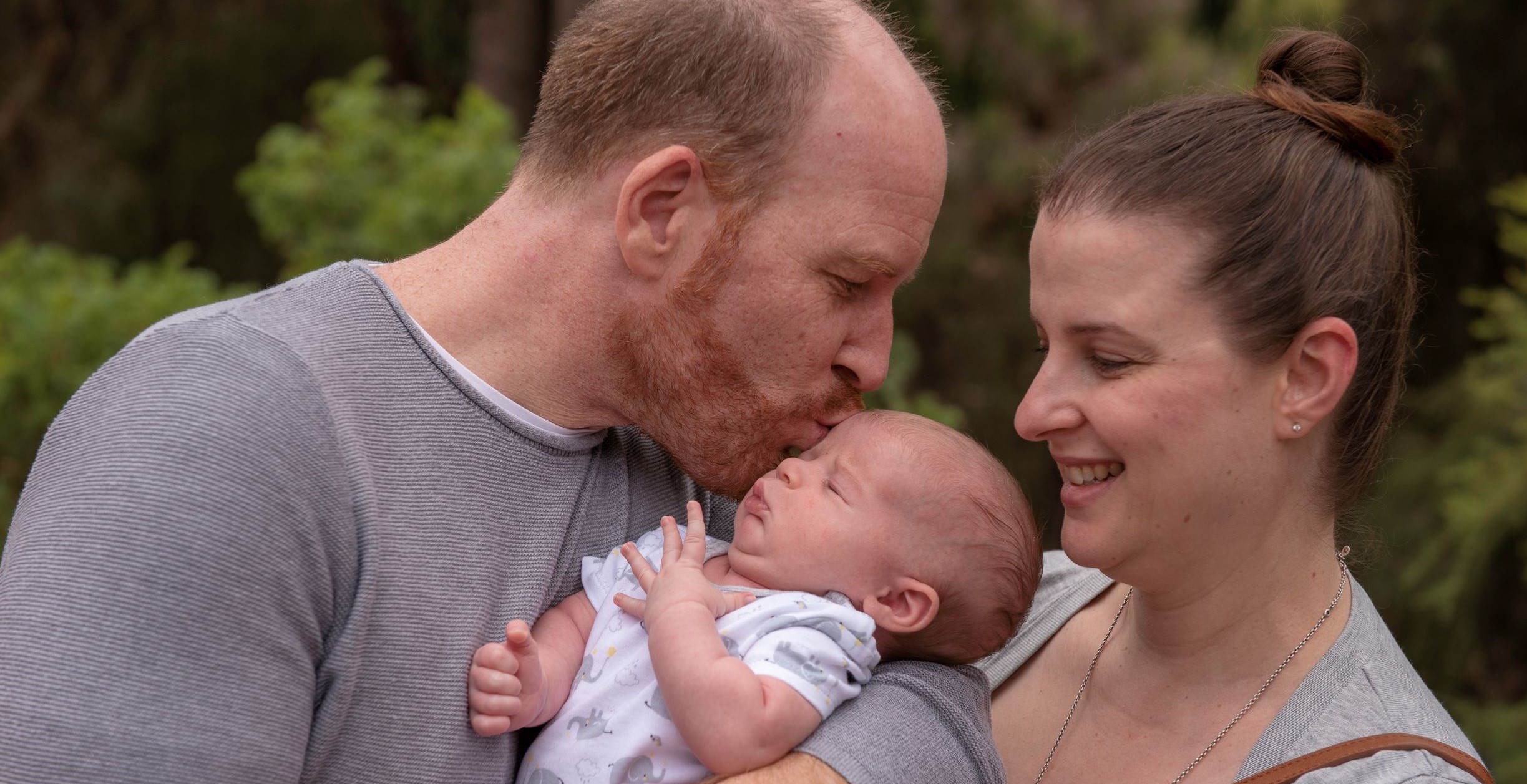
Despite major advances in science in recent years, many Australians still don't understand the magnitude and importance of early years development to a child's life journey.

Discover more about some of the broad topics and areas of research that The Kids Research Institute Australia are involved in.
It's normal for children and teenagers to experience a range of emotions, including sadness, however childhood depression is more than just feeling sad.
Middle ear infections are one of the main reasons that children visit a GP, are prescribed antibiotics and need surgery. Aboriginal children are particularly susceptible and commonly suffer from hearing loss which can affect speech and learning.
Group A Streptococcal (GAS) pharyngitis is an important precursor infection to severe complications including rheumatic fever and invasive GAS. Rapid molecular point of care testing (POCT) for GAS infection has advantages over traditional microbiological culture, especially in settings with limited or absent laboratory infrastructure and where GAS complications predominate.
Vancomycin is first-line treatment for methicillin-resistant Staphylococcus aureus infections. However, despite guideline recommendations, there is no evidence that targeting vancomycin trough concentrations of ≥15 mg/L in children confers clinical benefit and is associated with vancomycin-associated nephrotoxicity.
Respiratory syncytial virus (RSV) is a significant cause of respiratory infections in young children. Since 2021, RSV has been a notifiable disease in Australia. However, current surveillance systems focus on hospitalised RSV, with limited surveillance at a community level through primary care clinics. This approach only captures RSV requiring hospitalisation. Less severe illnesses, while not captured, may have significant social and economic impacts including the associated cost of care and absenteeism. The aim of this study is to establish an understanding of the broader burden of RSV in young children in a community setting.
Asha Jacinta Bernadette Bowen Walton Ricciardo BA MBBS DCH FRACP PhD GAICD FAHMS OAM MBBS (hon) DCH FACD Head, Healthy Skin and ARF Prevention
Vaccine hesitancy and suboptimal vaccine uptake pose significant threats to public health, but modifiable psychological factors underpinning them are under-investigated. We examined the prevalence of spontaneous emotional mental imagery relating to infectious diseases and perinatal vaccines and its unique associations with vaccine hesitancy and uptake behaviour.