
Search
Showing results for "early life"
Helen Jenny Leonard Downs MBChB MPH BApplSci (physio) MSc PhD Principal Research Fellow Head, Child Disability +61 419 956 946 08 6319 1763
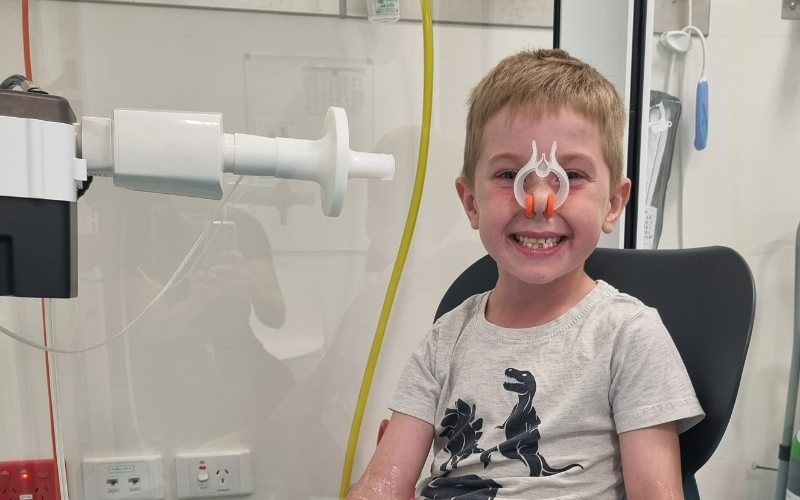
A new study to determine if it’s safe for children who were born preterm to attend day care officially commenced this month.
The clinical, research and advocacy communities for Rett syndrome are striving to achieve clinical trial readiness, including having fit-for-purpose clinical outcome assessments. This study aimed to (1) describe psychometric properties of clinical outcome assessment for Rett syndrome and (2) identify what is needed to ensure that fit-for-purpose clinical outcome assessments are available for clinical trials.
There are limited psychometric data on outcome measures for children with Developmental Epileptic Encephalopathies (DEEs), beyond measuring seizures, and no data to describe meaningful change. This study aimed to explore parent perceptions of important differences in functional abilities that would guide their participation in clinical trials.
Jenny Helen Kingsley Downs Leonard Wong BApplSci (physio) MSc PhD MBChB MPH MBBS, MPH, MMedStat Head, Child Disability Principal Research Fellow
Rett syndrome (RTT) is a severe neurodevelopmental disorder affecting predominantly females and associated with variants in the MECP2 gene. Recent success in clinical trials have resulted in an expanded use of the Rett Syndrome Behaviour Questionnaire (RSBQ) for clinical and research purposes.
Sex hormones, such as oestrogen and testosterone, display significant immune modulatory properties. This is highly relevant for transgender (trans) people who undergo gender-affirming hormone (GAH) treatment. However, only a limited number of studies have evaluated the immunological impact of GAH treatments, and almost none have assessed the impact in trans young people.
Rett syndrome (RTT) is a severe neurodevelopmental disorder associated with multiple neurobehavioral abnormalities. The Rett Syndrome Behaviour Questionnaire (RSBQ) was developed for pediatric RTT observational studies. Because its application has expanded to adult and interventional studies, we evaluated the RSBQ's psychometric properties in six pediatric (n = 323) and five adult (n = 309) datasets.
CDKL5 deficiency disorder (CDD) was first identified as a cause of human disease in 2004. Although initially considered a variant of Rett syndrome, CDD is now recognised as an independent disorder and classified as a developmental epileptic encephalopathy.
MECP2 duplication syndrome (MDS) is a rare, X-linked, neurodevelopmental disorder caused by a duplication of the methyl-CpG-binding protein 2 (MECP2) gene-a gene in which loss-of-function mutations lead to Rett syndrome (RTT). MDS has an estimated live birth prevalence in males of 1/150,000.