
Search
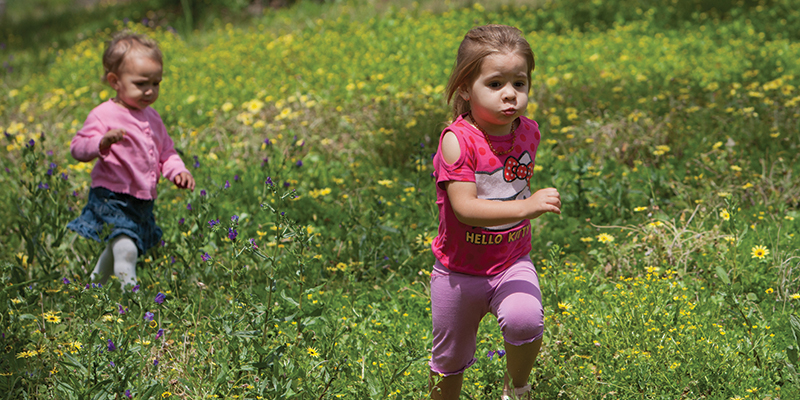
A child can’t thrive if they don’t have a roof over their head.
In early 2021, The Kids Research Institute Australia researcher Dr Amy Finlay-Jones led a global team in trying to answer that question to help better prioritise mental health spending.
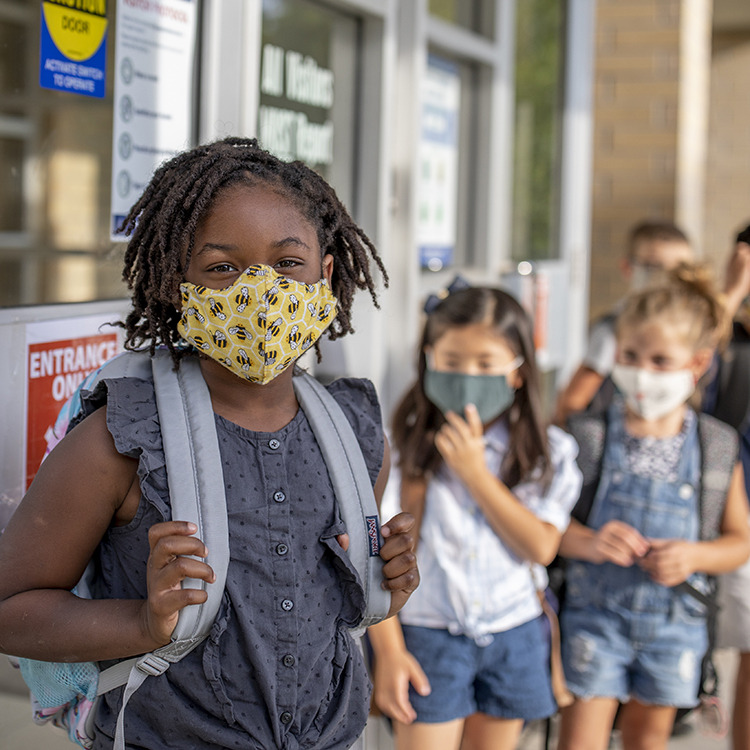
While COVID-19 is new and frightening, these resources are designed to help families tackle the challenges this virus has created for us.
One in eight children have asthma, a chronic disease of the airways in the lungs. It results in shortness of breath, chest tightness, wheezing and coughing.
Convenient, readily available and helping create a close and loving bond between baby and mother, breastfeeding is highly regarded for optimising infant health and preventing chronic disease in adulthood.
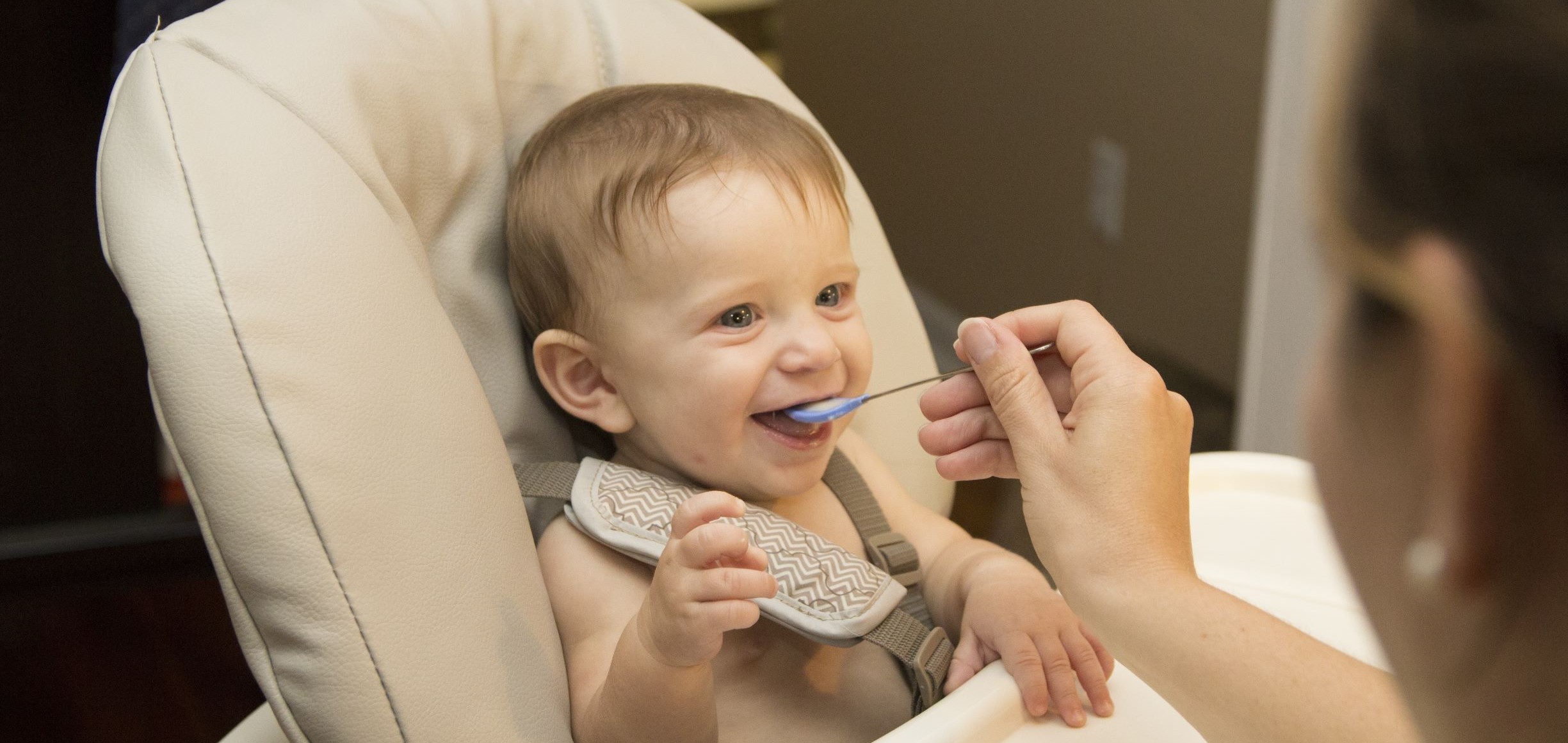
A dramatic rise in food allergies over the past 20 years had Australian medical professionals scratching their heads, with three in every ten babies born each year developing food-related allergy or eczema.
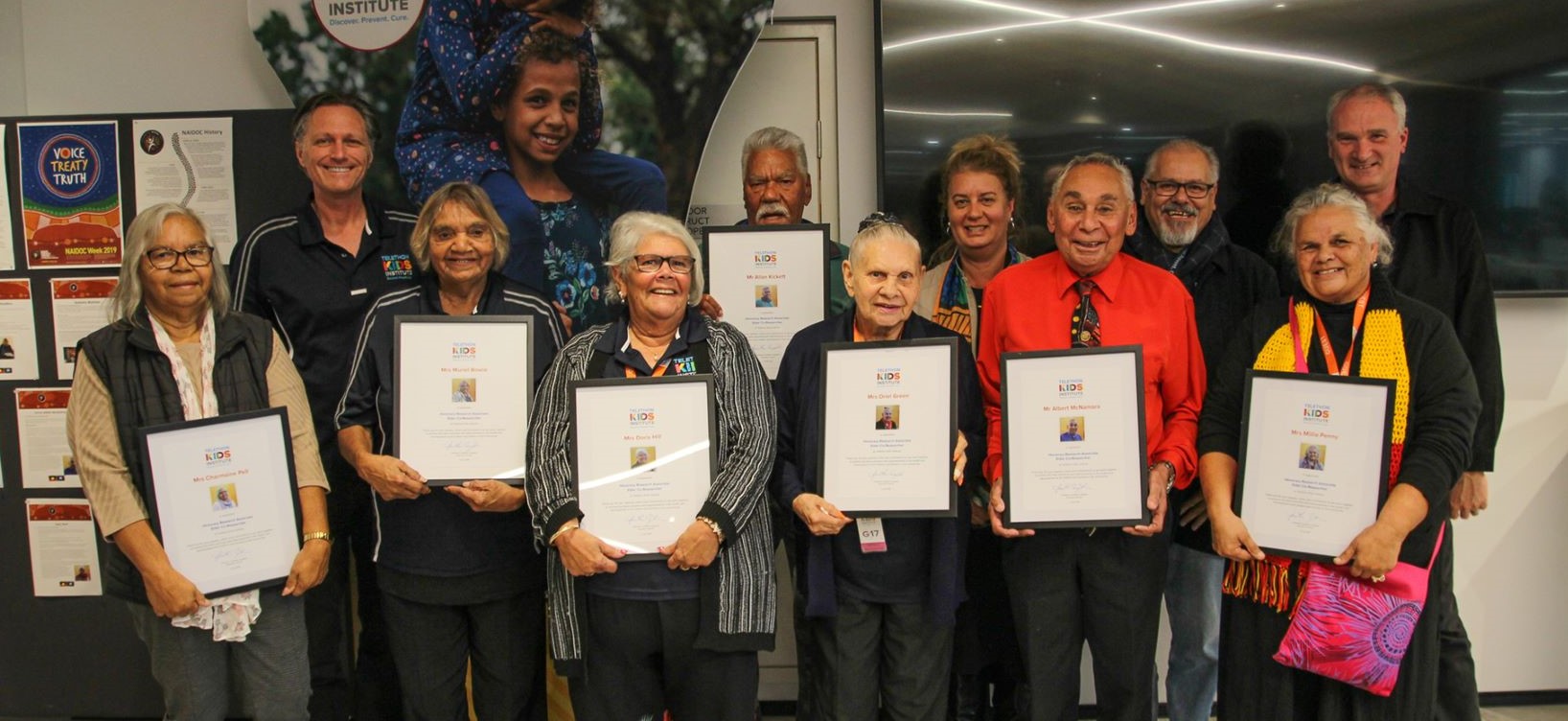
The Ngulluk Koolunga Ngulluk Koort (Our Children, Our Heart) Project grew out of a bold vision to harness the wisdom of Aboriginal Elders to improve outcomes for Aboriginal children, producing a suite of Elder-led, culturally appropriate and empowering initiatives that are making a difference.
Fetal Alcohol Spectrum Disorder (FASD) is a lifelong condition characterised by severe neurodevelopmental impairment due to prenatal exposure to alcohol.
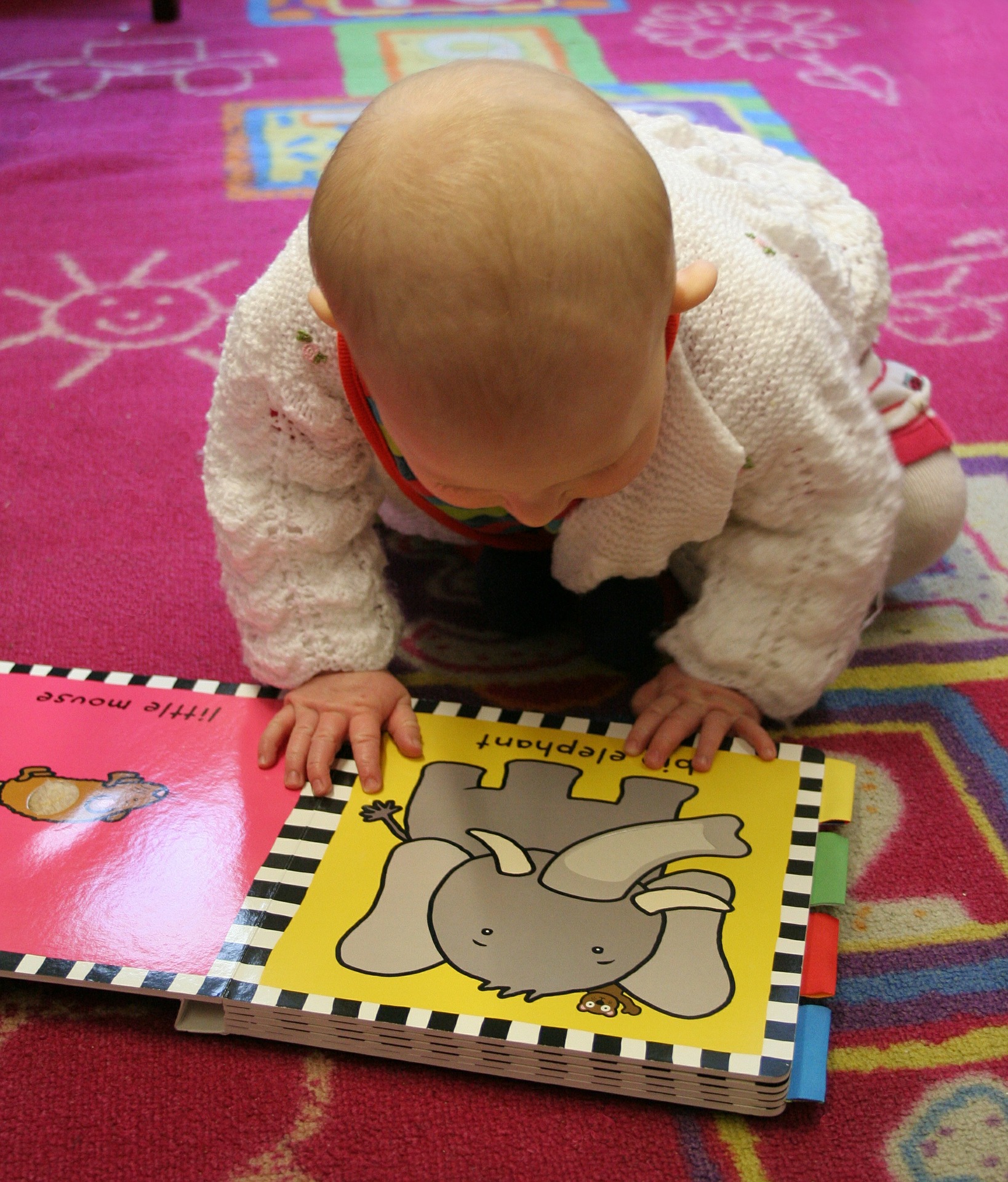
Measles is a highly contagious infectious disease that can cause severe, long-term complications in children.
Down syndrome, also known as Trisomy 21, is one of the most common chromosome abnormalities in humans. It occurs when a child's cells end up with 47 chromosomes instead of the usual 46. Down syndrome causes intellectual disability and other physical and learning challenges.