
Search
Showing results for "early life"
To describe health-related quality of life of Australian children and adolescents with Down syndrome and compare it with norm-referenced data.
This study aimed to identify the quality of life domains important for individuals with CDKL5 deficiency disorder
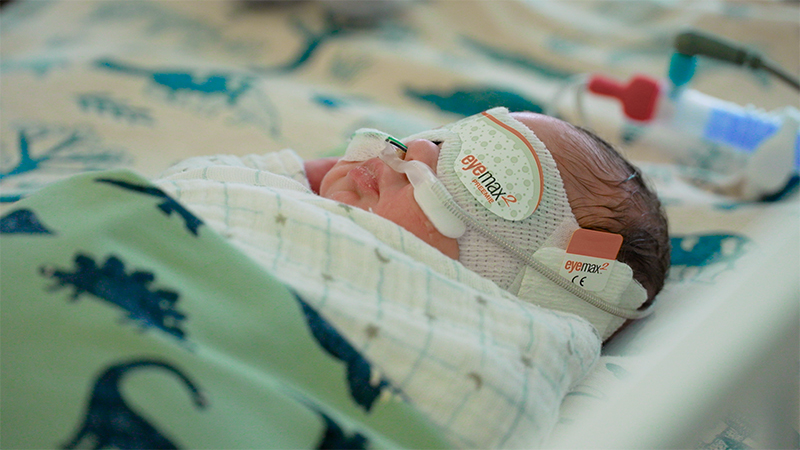
Researchers will fit nearly 500 preterm babies with tiny eye masks and earplugs for the study.
To identify factors associated with quality of life (QoL) in children with intellectual disability. We aimed to identify patterns of association not observable in previous hypothesis-driven regression modelling using the same data set from a cross-sectional observational study.
To determine the potential longer-term effects of maternal antenatal respiratory syncytial virus (RSV) vaccination, we examined the association between cord-blood RSV-neutralizing antibodies (RSV-NA) and RSV infections in the first 2 years of life, RSV-NA at 3 years, and respiratory health to age 5 years.

Babies are most vulnerable to life-threatening diseases in their first few weeks of life, yet current vaccines can’t be given until two months of age.

Josh Forde, 18, with mum Karen, who shares how her fears turned to
Sensitive and non-invasive surveillance tools are needed for the clinical management of infants and preschool children with cystic fibrosis (CF). The lung clearance index from the multiple breath washout and functional and morphological outcomes from magnetic resonance imaging provide promising alternatives to current gold standard techniques. Early detection and treatment of lung disease during this important period offers the opportunity to improve the quality of life for individuals with CF.
Childhood obesity is one of the most serious public health challenges of the 21st century and is affected not only by individual choice but also by societal and environmental influences. Childhood obesity is higher in children living in regional and remote compared with major cities, in one-parent families and for those with a disability.
Nutrition is one of the most easily modifiable environmental factors during early life that may play a role in allergic disease prevention.