
Search
Respiratory syncytial virus (RSV) remains a leading cause of mortality and morbidity worldwide. RSV seasonality was disrupted by COVID-19-associated nonpharmaceutical interventions (NPIs). We review RSV seasonality, molecular epidemiology, clinical manifestations, and community awareness to inform future prevention strategies.
Dental caries remains the most common chronic disease in childhood, affecting almost half of all children globally. Dental care and examination of children living in remote and rural areas is an ongoing challenge that has been compounded by COVID.
Australian governments have used vaccine mandates to drive high uptake of routine childhood vaccines and adult Coronavirus Disease 2019 (COVID-19) and influenza vaccines. We sought to understand the attitudes of Western Australian parents regarding mandating COVID-19 vaccines for children, interviewing 44 parents of children aged up to 18 years between May and December 2021. Transcripts were analysed to ascertain parents' attitudes and sources of reasoning.
Australian Aboriginal and/or Torres Strait Islander children in rural/remote areas suffer high rates of persistent otitis media (OM) from early infancy. We aimed to determine the proportion of Aboriginal infants living in an urban area who have OM and investigate associated risk factors.
Australian authorities made COVID-19 vaccines available for children aged under 5 years old with serious comorbidities in August 2022. There is presently no universal programme for young children, but crucial to any rollout's success is whether parents are motivated and able to vaccinate. By examining parents' vaccine intentions, this study aims to inform current and future COVID-19 vaccine roll-outs for children aged under 5 years.
SARS-CoV-2 infection is associated with a significant risk of hospitalisation, death, and prolonged impact on quality of life. Evaluation of new treatment options and optimising therapeutic management of people hospitalised with SARS-CoV-2 infection remains essential, but rapid changes in pandemic conditions and potential therapies have limited the utility of traditional approaches to randomised controlled trials.
Health care workers (HCWs) faced an increased risk of Coronavirus Disease 2019 (COVID-19). Australia’s COVID-19 vaccine rollout commenced in February 2021 to priority groups, including HCWs. Given their increased risk, as well as influence on patients’ vaccine uptake, it was important that HCWs had a positive COVID-19 vaccination experience, as well as trusting the vaccine safety and efficacy data.
The COVID-19 pandemic, coupled with significant social changes due to legislative and public health requirements, has changed the way in which people experience grief. We examined whether dysfunctional grief symptoms, disrupted meaning, risk factors, and functional impairment differed between people bereaved from COVID-19 and from other natural or violent causes in this same period.
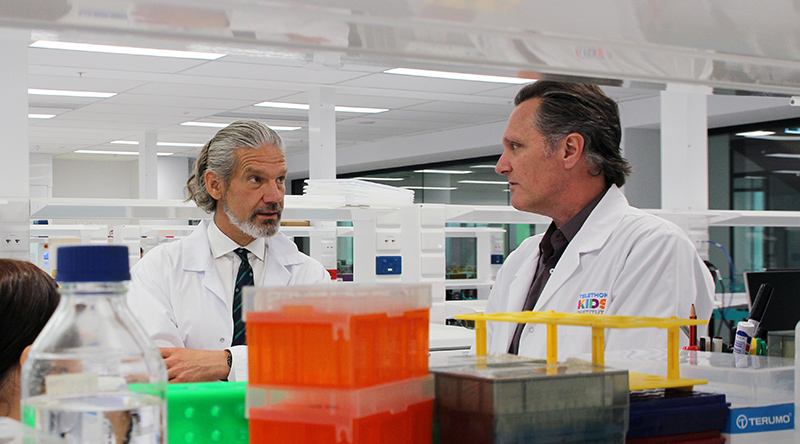
Researchers from The Kids Research Institute Australia will lead a world first trial to test the effectiveness of the drug interferon in stopping outbreaks of COVID-19 by reducing the infectiousness of people who contract the virus.
For families with a child with disability, this involves many extra care duties especially if their child has high and complex needs.