
Search
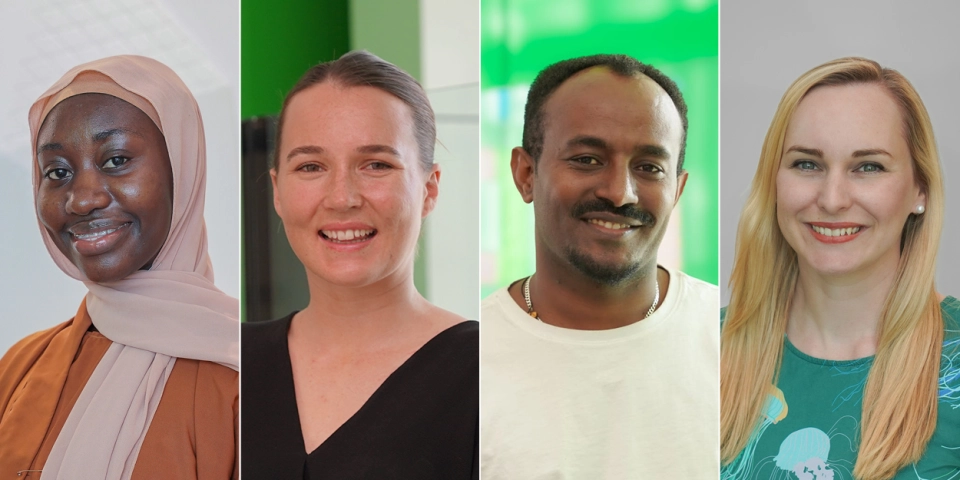
We are pleased to announce latest recipients of the Stan and Jean Perron Awards, that recognise the work of exceptional postgraduate students who are undertaking their research projects at The Kids Research Institute Australia.
Eight The Kids Research Institute Australia-led projects will benefit from a Western Australian Government boost to health research for the State’s children and young people.
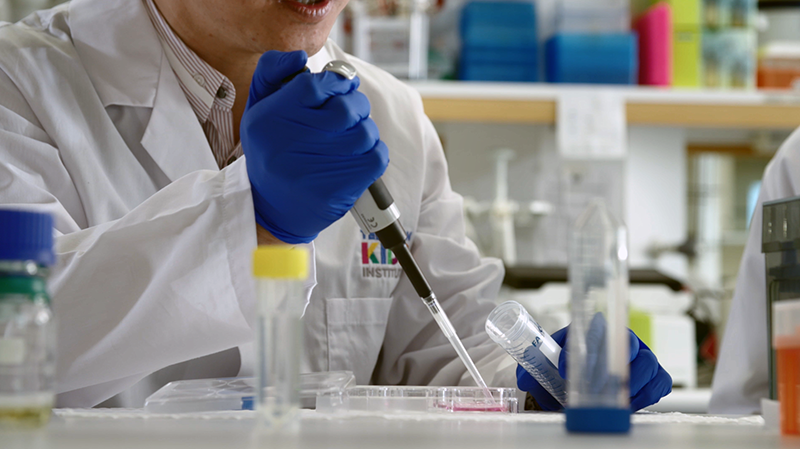
The Kids researchers will use nearly $8.5 million awarded by the National Health and Medical Research Council (NHMRC) to tackle health issues including respiratory disease, brain cancer, vaccination and Aboriginal health.
Globally, rates of children with physical and mental health problems are increasing. Health issues in early childhood often persist into adulthood, highlighting the need to ensure children are supported to flourish from the start of life.
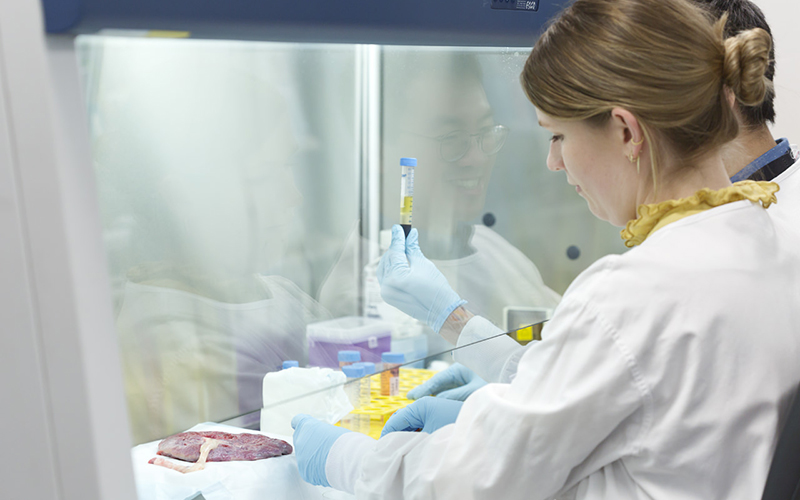
Four The Kids Research Institute Australia-based biobanks which underpin a range of cancer, respiratory and early life research have received more than $450,000 in funding.
Dissociative symptoms are linked to experiences of trauma, often originating in childhood and adolescence. Dissociative disorders are associated with a high burden of illness and a poor quality of life. Despite evidence suggesting that early intervention can improve outcomes, little research exists on the treatment of dissociative disorders in childhood and adolescence.
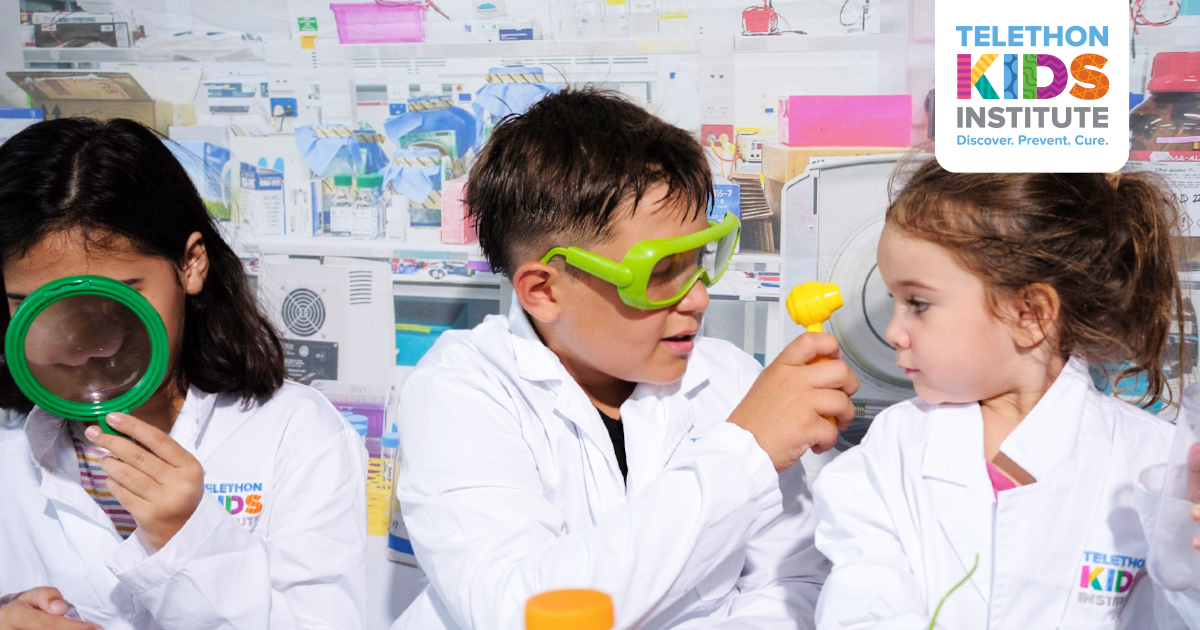
The Kids Research Institute Australia is bringing science to the Kimberley, with a series of free activities for children and families in Broome in the leadup to National Science Week.

Researchers at The Kids Research Institute Australia are working with boys and young men in regional areas to help stamp out technology-based abuse of girls and young women.
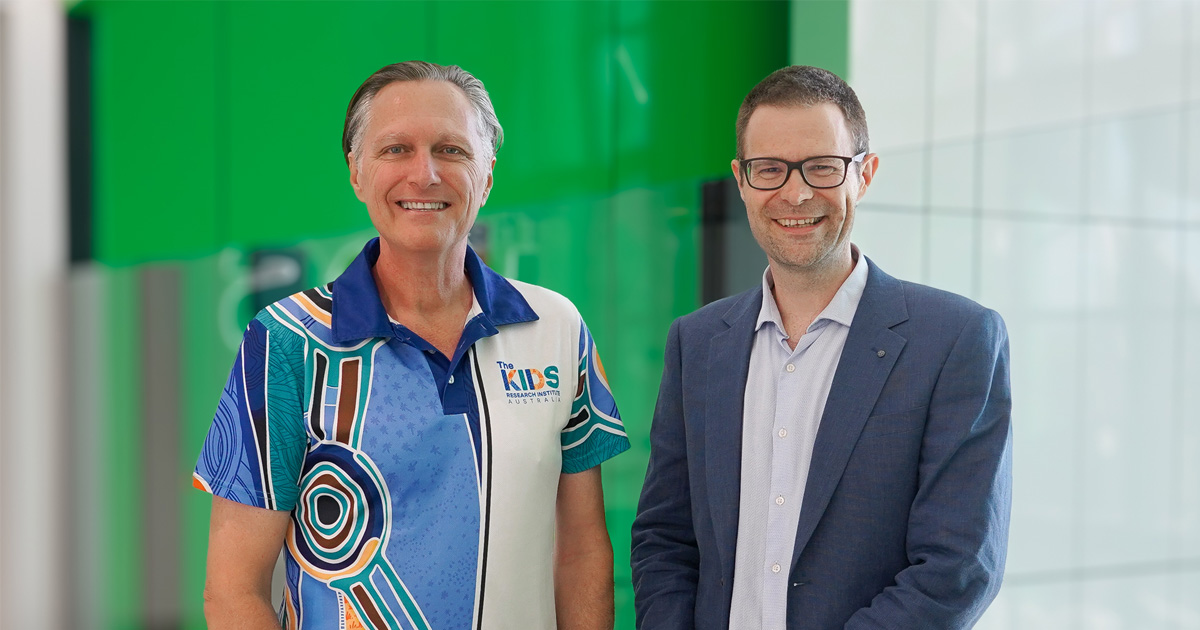
Professor Andrew Whitehouse, the Angela Wright Bennett Professor of Autism Research and CliniKids Director, has been appointed Deputy Director (Research) at The Kids Research Institute Australia.
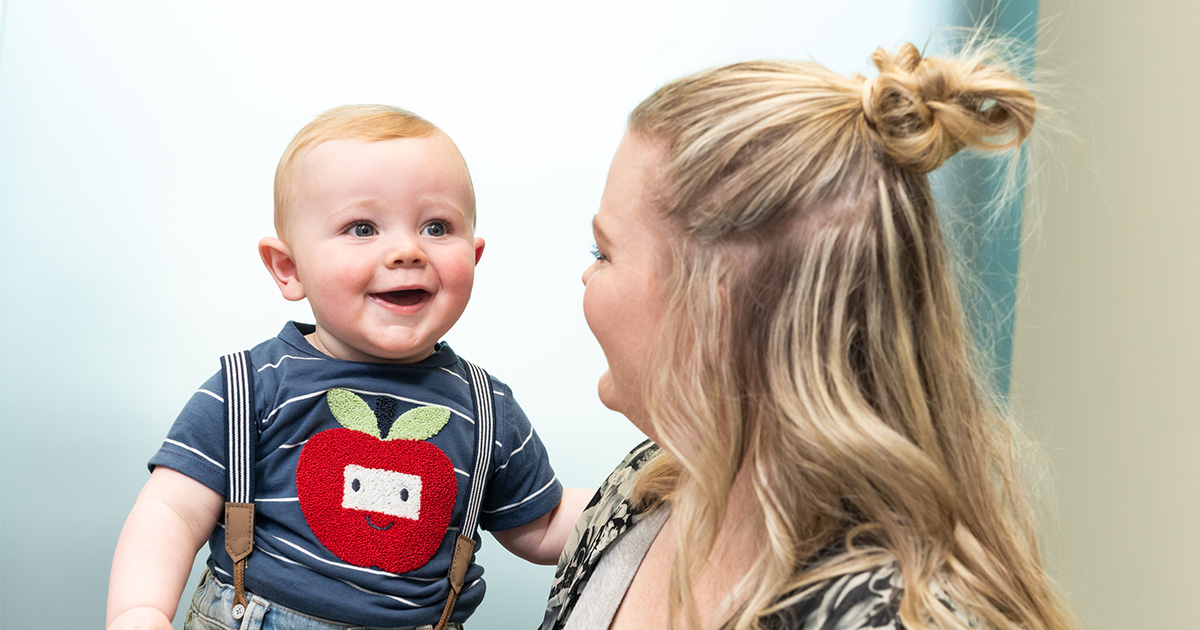
A world-first program for babies with delays in their social and communication skills has been launched in Western Australia, thanks to support from the National Disability Insurance Agency (NDIA).