
Search
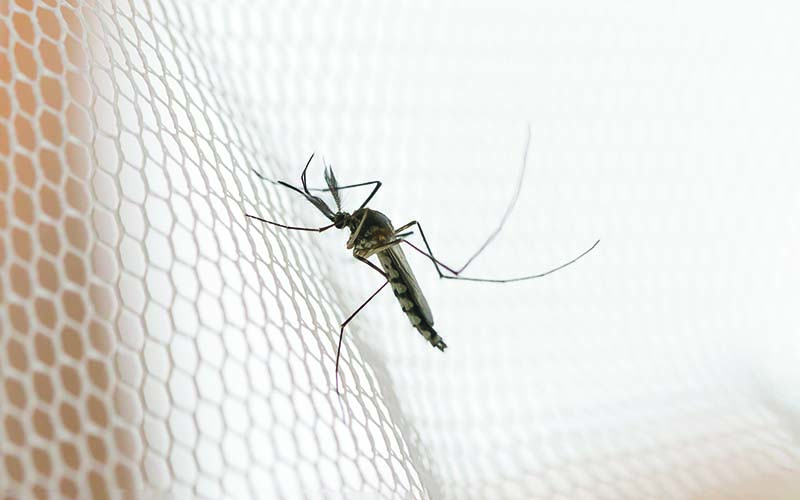
Global efforts led by The Kids Research Institute Australia’s Child Health Analytics program will see nations impacted by high rates of malaria empowered to develop their own controls and solutions.

A dramatic rise in food allergies over the past 20 years had Australian medical professionals scratching their heads, with three in every ten babies born each year developing food-related allergy or eczema.
Malaria risk maps are crucial for controlling and eliminating malaria by identifying areas of varying transmission risk. In the Greater Mekong Subregion, these maps guide interventions and resource allocation. This article focuses on analysing changes in malaria transmission and developing fine-scale risk maps using five years of routine surveillance data in Laos (2017-2021). The study employed data from 1160 geolocated health facilities in Laos, along with high-resolution environmental data.
Clinical decision support systems (CDSS) are increasingly utilised within healthcare settings to enhance decision making. However, few studies have investigated their application in the context of clinical services for autistic people, with no research to date exploring the perspectives of the key stakeholders who are, or in the future may be, impacted by their use.
The use of adjunctive antibiotics directed against exotoxin production in Staphylococcus aureus bacteremia (SAB) is widespread, and is recommended in many guidelines, but there is limited evidence underpinning this.
This study identified alignment of indicators across different initiatives and data collection instruments as a foundation for future harmonization of adolescent health measurement.
The rising burden of mosquito-borne diseases in Europe extends beyond urban areas, encompassing rural and semi-urban regions near managed and natural wetlands evidenced by recent outbreaks of Usutu and West Nile viruses. While wetland management policies focus on biodiversity and ecosystem services, few studies explore the impact on mosquito vectors.
Detailed, comprehensive, and timely reporting on population health by underlying causes of disability and premature death is crucial to understanding and responding to complex patterns of disease and injury burden over time and across age groups, sexes, and locations. The availability of disease burden estimates can promote evidence-based interventions that enable public health researchers, policy makers, and other professionals to implement strategies that can mitigate diseases.
Future trends in disease burden and drivers of health are of great interest to policy makers and the public at large. This information can be used for policy and long-term health investment, planning, and prioritisation. We have expanded and improved upon previous forecasts produced as part of the Global Burden of Diseases, Injuries, and Risk Factors Study (GBD) and provide a reference forecast (the most likely future), and alternative scenarios assessing disease burden trajectories if selected sets of risk factors were eliminated from current levels by 2050.
Medications are commonly used during pregnancy to manage pre-existing conditions and conditions that arise during pregnancy. However, not all medications are safe to use in pregnancy. This study utilized privacy-preserving record linkage (PPRL) to examine medications dispensed under the national Pharmaceutical Benefits Scheme (PBS) to pregnant women in Western Australia (WA) overall and by medication safety category.