
Search
Showing results for "early life"
Reading and writing are crucial life skills but roughly one in ten children are affected by dyslexia, which can persist into adulthood. Family studies of dyslexia suggest heritability up to 70%, yet few convincing genetic markers have been found.
This study aimed to understand how parents describe the most challenging behaviors exhibited by their children diagnosed with autism and/or ADHD, how those behaviours impact their family, and whether challenges are directly related to the core characteristics of these conditions.
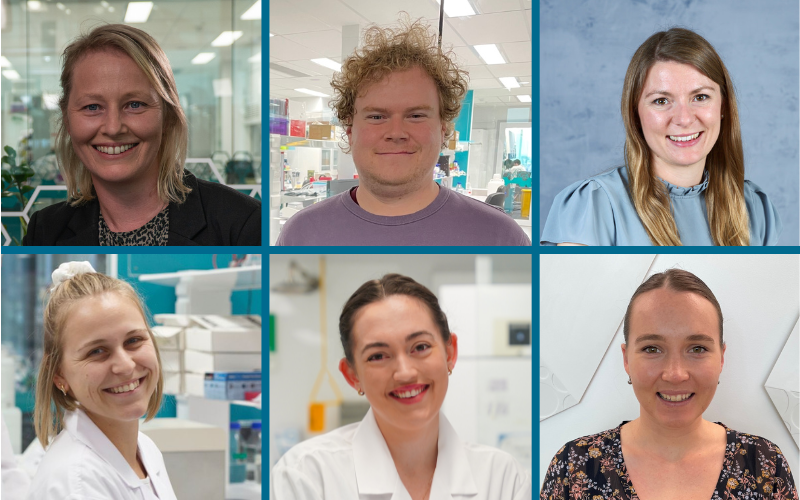
The Wal-yan Respiratory Research Centre is proud to have a team of researchers taking part in, and contributing to, the outstanding scientific programme of the European Respiratory Society International Congress, taking place in Milan.
There are limited psychometric data on outcome measures for children with Developmental Epileptic Encephalopathies (DEEs), beyond measuring seizures, and no data to describe meaningful change. This study aimed to explore parent perceptions of important differences in functional abilities that would guide their participation in clinical trials.
Rett syndrome (RTT) is a severe neurodevelopmental disorder associated with multiple neurobehavioral abnormalities. The Rett Syndrome Behaviour Questionnaire (RSBQ) was developed for pediatric RTT observational studies. Because its application has expanded to adult and interventional studies, we evaluated the RSBQ's psychometric properties in six pediatric (n = 323) and five adult (n = 309) datasets.
MECP2 duplication syndrome (MDS) is a rare, X-linked, neurodevelopmental disorder caused by a duplication of the methyl-CpG-binding protein 2 (MECP2) gene-a gene in which loss-of-function mutations lead to Rett syndrome (RTT). MDS has an estimated live birth prevalence in males of 1/150,000.
CDKL5 deficiency disorder (CDD) was first identified as a cause of human disease in 2004. Although initially considered a variant of Rett syndrome, CDD is now recognised as an independent disorder and classified as a developmental epileptic encephalopathy.
We hope that through earlier diagnosis and treatment of muscle weakness during sleep, we can prevent future lung failure in children with neuromuscular disorders.
Helen Jenny Peter Leonard Downs Richmond MBChB MPH BApplSci (physio) MSc PhD MBBS MRCP(UK) FRACP Principal Research Fellow Head, Child Disability
Helen Jenny Leonard Downs MBChB MPH BApplSci (physio) MSc PhD Principal Research Fellow Head, Child Disability +61 419 956 946 08 6319 1763